
See What You Live: The Ultimate Guide to DJI Helmet Cameras
You crest the ridge, the trail drops away, and for a breathtaking moment, it’s just you, your bike, and the mountain. You want to share that exact feeling—the rush of speed, the precise line through the rocks, the panoramic vista—not just a distant, shaky clip from the sidelines. Standard cameras fail to capture the immersive, first-person essence of the adventure. This is the transformative power of the POV camera, and mastering it begins with the ultimate mounting solution. For the aspiring adventurer, exploring the world with DJI helmet cameras is the foundational key to unlocking professional-grade, immersive footage that doesn’t just show your activity, but makes the viewer feel it.
Foundational Choices: The Mounting Hardware
Your mounting choice is the critical link between camera and perspective. It dictates stability, safety, and the final quality of your shot. A poorly chosen mount turns a cutting-edge camera into a shaky, frustrating mess. Treat this as the bedrock of your entire setup.
Selection and Sizing – Fit for Purpose
Not all mounts serve the same view. Your activity dictates the ideal position.
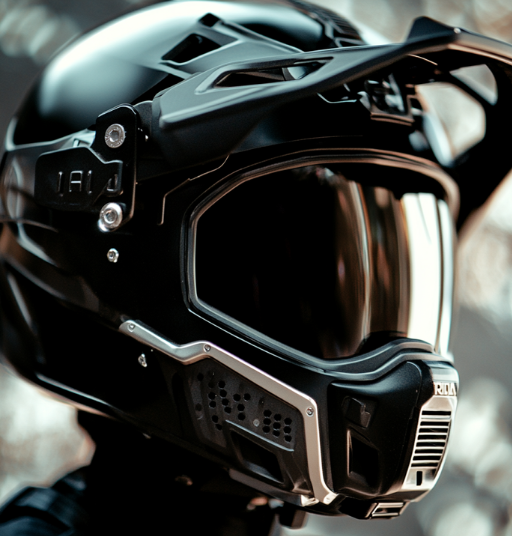
Chin Mounts are ideal for cycling, motocross, and skiing. They provide a natural sightline that mimics where you’re looking, offering an incredibly immersive and stable perspective, especially on rough terrain.
Top-of-Helmet Mounts excel for hiking, climbing, or snowboarding. They give a broader, more overview-style shot, capturing more of your surroundings and body movements, perfect for scenic vistas.
Side Mounts offer a unique, angled perspective. They are less common but useful for specific shots where you want to include part of your helmet or profile in the frame for context.
Location and Setup – The Art of Positioning
Precision here separates amateur footage from professional POV. First, ensure your helmet shell is clean and dry. For adhesive mounts, press firmly for 30 seconds and allow the 3M VHB tape to cure for 24 hours before attaching the camera. Position the camera just off-center to avoid capturing the very edge of your helmet. For chin mounts, aim the lens to where your eyes naturally focus during the activity. A simple test: wear the helmet, look straight ahead, and have a friend mark the spot. This ensures your footage matches your gaze.
Material and Components – A Comparison Table
Your mount’s construction directly impacts performance and safety. Choose based on permanence, vibration damping, and your helmet type.
| Component Category | Options | Key Characteristics |
|---|---|---|
| Adhesive Mounts | 3M VHB Tape Flat & Curved Mounts | Permanent, low-profile, and extremely secure. Offers the best vibration damping. Must be placed correctly the first time. Ideal for dedicated helmets. |
| Strap Mounts | Nylon Strap Systems with Buckles | Fully removable and adjustable. Can fit almost any helmet. May introduce slight wiggle on extreme impacts. Perfect for rental gear or sharing one camera across multiple helmets. |
| Clip-In Systems | DJI Magnetic Quick-Release | Allows rapid camera detachment. The magnetic connection is surprisingly secure but is the least permanent option. Best for quick transitions or when you need to frequently remove the camera. |
The Core System: Capturing and Controlling the Shot
A helmet camera is a dynamic filming system you control. Mastery requires commanding its core variables before you launch into action. Think of this as pre-flight checks for your perspective.
Field of View (FOV): Framing Your World
The FOV setting defines how much of the scene your camera captures. Use Wide (or MaxView) for immersive action sports like mountain biking or skiing where you want to feel surrounded by the environment. Be aware it can create a “fish-eye” distortion at the edges. Choose Linear for scenic hikes, road cycling, or any situation where you want a natural, distortion-free perspective that mimics human vision.
Stabilization: The Non-Negotiable Feature
RockSteady or HorizonSteady is not a luxury; it is essential. It transforms jarring, unwatchable vibration into buttery-smooth cinema. For most activities, RockSteady is perfect. For water sports, sailing, or activities with lots of horizon in the shot, HorizonSteady keeps the world level even if you tilt. Remember, higher stabilization levels consume more battery. Always frame your shot slightly wider than you need, as stabilization crops into the image.
Resolution & Frame Rate: The Detail vs. Drama Dial
This is your quality versus creativity control. 4K at 60fps is the modern standard for crisp, detailed footage you can slow down slightly in editing. It’s ideal for most activities. When you want to emphasize speed and drama, switch to 1080p at 120fps or 240fps. This high frame rate creates stunning super-slow-motion sequences, perfect for capturing the spray of powder or the precise moment of a tire leaving a jump.
Advanced Practices: Optimization and Storytelling
Now, shift from technical setup to the art of the POV narrative. This is where you move from recording to filmmaking.
Preparation – The Pre-Adventure Checklist
Never miss a shot due to a simple oversight. Your mandatory five-point check is: Battery (charged, with a spare), Memory Card (formatted, with ample space), Lens (cleaned with a microfiber cloth), Mount Security (tug-test the camera), and Settings (FOV, resolution, and stabilization confirmed).
Ongoing Inputs – Audio and Lighting
Great POV footage engages more than just the eyes. The built-in mic often captures only wind roar. For clear audio, use a windscreen muff or a USB-C external mic adapter to record your voice or ambient sounds. For lighting, in bright snow, sand, or water, an ND (Neutral Density) filter is crucial. It acts like sunglasses for your camera, allowing you to use slower shutter speeds for natural motion blur, preventing harsh, overexposed footage.
Selection and Strategy – Shooting with Intent
Don’t just record one long clip. Think in sequences. Start with a stable establishing shot from your helmet to set the scene. Follow with the action sequence—the core ride or run. Finally, capture a reaction shot: a glance down at your hands on the bars or a look back up the trail. These three elements, edited together, create a dynamic story. Use quick camera taps to mark highlights during filming, making them easy to find later.
Threat Management: Problem Prevention and Solution
Adopt a proactive stance. Your gear faces extreme conditions; a little foresight protects your investment and your priceless footage.
Prevention: The First and Best Defense
Your three pillars of defense are protection, storage, and inspection. Always use a silicone or tempered glass lens protector. After an adventure, store the camera and mounts in a dry, padded case away from direct sunlight. Before every outing, perform a visual inspection of all mounts for cracks or adhesive lift.
Intervention – A Tiered Response Plan
When issues arise, act methodically. Here is your guide to common problems:
Lens Fogging: Caused by temperature/humidity shifts. Solution: Use anti-fog inserts in your helmet vents, let the camera acclimate before use, or use a hydrophobic lens coating.
Overheating Warning: Occurs during long, static recording in hot weather. Solution: Turn off the camera between shots, ensure firmware is updated for thermal management improvements, and avoid direct sun on the body when not in use.
Shaky Footage (even with stabilization): Almost always a mount issue. Solution: Power down and physically check every connection point. Ensure the adhesive base hasn’t loosened or that a strap hasn’t stretched.
Your Action Plan: A Seasonal Filmmaker’s Calendar
| Season/Phase | Primary Tasks | What to Focus On |
|---|---|---|
| Spring / Trail Riding | Inspect all mounts after winter storage. Charge batteries fully. Clean lens and apply new protector. | Capturing the renewal of trails. Use Linear FOV for scenic flow sections and 4K/60fps for technical, muddy features. |
| Summer / Mountain Biking & Water Sports | Pack extra batteries and a portable charger. Apply hydrophobic coating to lens. Use ND filter for bright days. | High-action sequences. Utilize slow-motion (1080p/240fps) for jump shots. For water, secure camera with a floaty grip as a safety backup. |
| Fall / Hiking & Gravel Cycling | Format memory cards for new projects. Check microphone windscreen. | Storytelling and scenery. Capture establishing wide shots, details of foliage, and the changing light. Prioritize stable, cinematic footage. |
| Winter / Skiing & Snowboarding | Use anti-fog inserts in helmet. Keep spare batteries warm in an inner pocket. Use a lens hood to reduce snowflakes on the lens. | Immersive speed and atmosphere. Chin-mount for a skier’s-eye view. Leverage HorizonSteady for perfect, level shots on powdery slopes. |
The journey with a DJI helmet camera transforms you from a participant into a storyteller. It begins with the secure, intentional mount—the bedrock of stability. It grows through mastering the core system of FOV, stabilization, and resolution. It culminates in the art of intentional shooting and proactive care. This process turns random recordings into a visceral, first-person archive of your adventures. The profound satisfaction comes not just from watching the footage, but from reliving the exact perspective, the rush, and the peace, creating a personal documentary that enriches your life and inspires others to start exploring the world with DJI helmet cameras.