The Vision of a Perfect Capture
You’re descending a trail you’ve never ridden, heart pounding. Ahead, a rider takes a breathtaking, improvised line off a rock face. You fumble for your camera button, but it’s off. Or the battery is dead. Or the wide-angle lens distorts the crucial detail. The moment evaporates, preserved only in fading memory. This frustration is the legacy of static, one-size-fits-all gear.
But what if your camera could adapt as quickly as you do? What if it was not a limitation, but an extension of your instincts? This is the promise of modularity. Exploring the benefits of modular helmet cameras reveals that this adaptable system is the true key to unlocking consistent, professional-grade footage and creative freedom, transforming you from a passive recorder to an active director of your adventures.
Foundational Choice: Building Your Capture Ecosystem
Your initial choices define your creative ceiling. A modular system is not a single product, but a philosophy. You build a personalized toolkit where every component serves a purpose.
The Core Unit & The Philosophy of Swappability
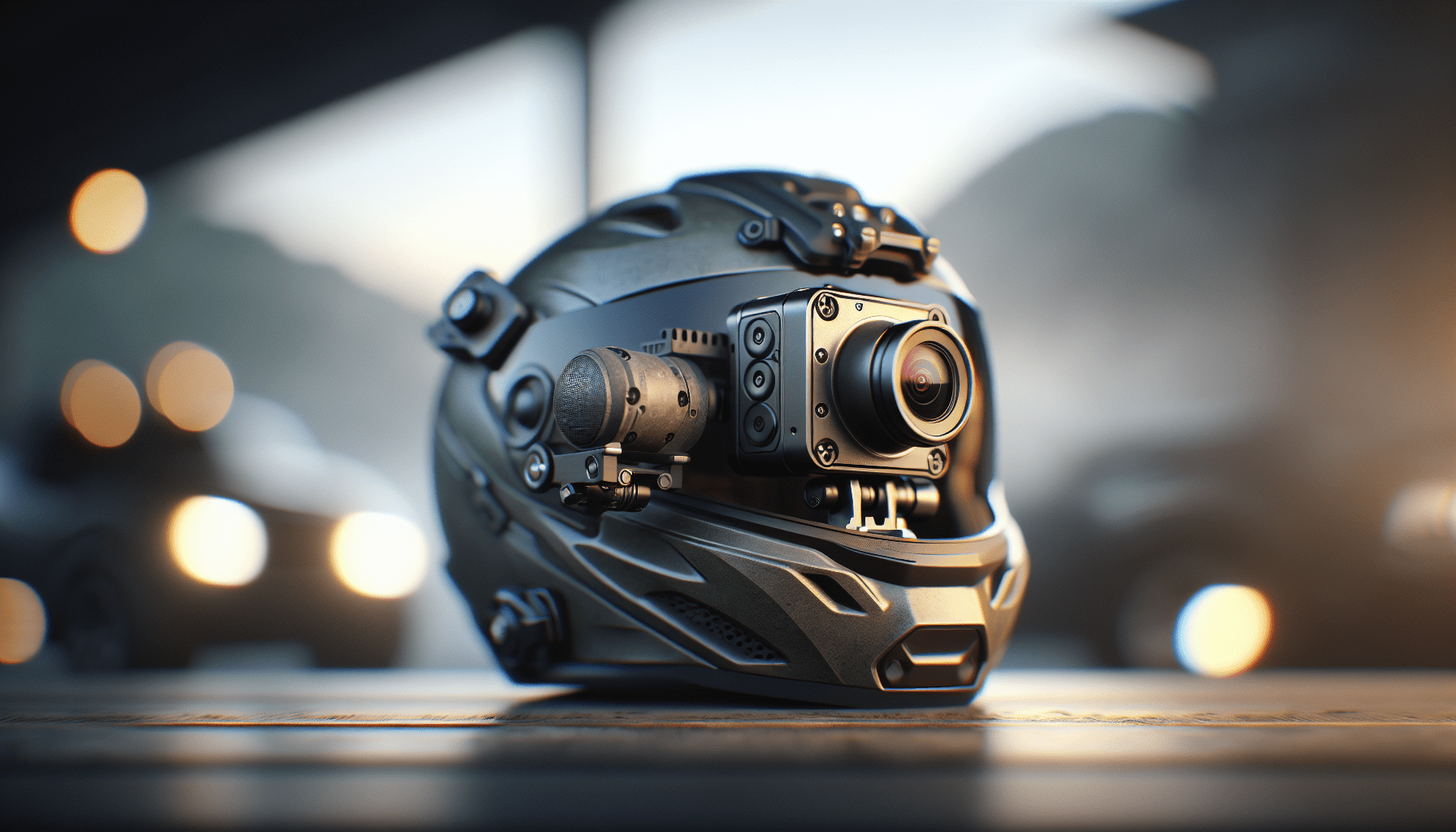
The core is the brain—a compact unit containing the sensor, processor, and primary controls. Its defining feature is the secure connection interface that allows for hot-swapping components in seconds. This is the antithesis of being locked into a single, compromised design.
Mounting & Integration: The Secure Foundation
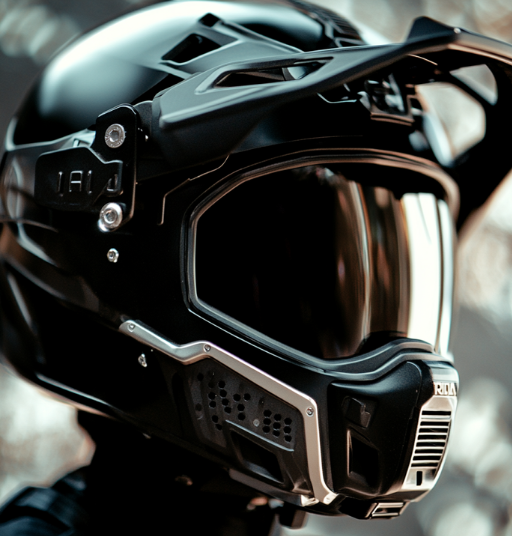
Modular systems often feature innovative, low-profile mounting. A slim core unit attaches via a dedicated base that remains semi-permanently on your helmet. This creates a clean, aerodynamic profile. You can then quickly click the full camera in or out, or use different mounts for chest, handlebar, or vehicle without needing duplicate cameras.
Component Breakdown: Your Modular Toolkit
This is where strategy begins. Your kit is built from swappable modules, each optimizing for a specific variable.
| Component Category | Options | Key Characteristics |
|---|---|---|
| Lenses | Ultra-wide, Linear, Narrow FOV | Changes the optical perspective without digital cropping. Ultra-wide delivers immersive, dizzying POVs. Linear (or “flat”) provides a natural, minimally distorted view ideal for following others or capturing scenery. |
| Batteries/Enduros | Standard, Extended Life, Pass-through Charging | Hot-swap batteries mean endless recording; simply carry spares. Extended-life modules double your runtime. Pass-through versions allow you to record while plugged into a power bank, essential for multi-day expeditions. |
| Displays & Media | Touchscreen Rear Displays, No-Display Pods, External Media Mods | Add a screen for perfect framing, settings control, and playback. Remove it with a streamlined “pod” for maximum weight savings and aerodynamics on a race helmet. Media mods add professional microphone inputs or brighter status LEDs. |
The Core System: Dynamic Control and Creative Management
With your toolkit built, you move from a set-and-forget user to an active controller. You manage key variables in real-time to match the demands of the moment.
Control Variable – Perspective
This is the most powerful creative control. Start your climb with a linear lens to capture the vast landscape. At the peak, swap in ten seconds to an ultra-wide lens for the exhilarating descent. You are no longer stuck with a single, compromised field of view.
Control Variable – Run-Time
Power management becomes intelligent, not anxious. For a short, intense downhill run, use a small, light battery. For an all-day epic, click in the extended enduro. The sealed, non-replaceable battery of a traditional camera is a single point of failure; your modular system turns power into a flexible resource.
Control Variable – Form Factor
Adapt your camera’s physical presence to the sport. Use the minimal core + pod combo for road cycling where aerodynamics are critical. For mountain biking, add a rugged protective case. The system conforms to your activity, not the other way around.
Advanced Practice: Optimization for Specific Disciplines
Mastery means tailoring your system to your passion. You pre-build configurations like a pilot prepares a flight plan.
Preparation & Configuration: The Sport-Specific Kit
I have a dedicated kit for moto-adventure riding: core unit, max stabilization enabled, pass-through battery, GPS telemetry module, and a lens guard. For ski touring, I swap to an ultra-wide lens, a standard battery for weight, and a cold-weather housing. Each kit lives in its own pouch, ready to deploy.
Ongoing Inputs – Data & Telemetry
Modular ports allow integration of external sensors. Sync a GPS module to overlay your speed and route. Connect a heart rate monitor to show your exertion. This data layers onto your video, transforming a simple clip into a rich, contextual story.
Selection & Strategy for the Mission
Plan your modules like supplies. A multi-sport day might require one lens for paddling and another for trail running, with a single core and spare batteries. Your strategy ensures you have the right tool for every chapter of your adventure.
Threat Management: The Inherent Resilience
A modular design is a proactive defense against mishaps. When one component fails, your entire system doesn’t collapse.
Prevention Through Design
The most vulnerable parts—the lens and microphone—are now replaceable units. A scratched lens from a crash is a $50 replacement, not a $400 camera write-off. This design philosophy inherently protects your investment.
The Tiered Intervention Protocol
When problems strike, your response is methodical. First, isolate and swap the suspected faulty module (e.g., a battery that won’t charge). Second, continue filming immediately using your backup components. Third, order a specific replacement part. You solve the problem without ending your session.
Your Roadmap to Modular Mastery
Adopting this system is a journey. Follow this phased approach to build competence and confidence.
| Phase | Primary Tasks | Focus On |
|---|---|---|
| Starter | Master the core unit and one primary lens. Experiment with all mounting options on your primary helmet. | Achieving rock-solid, stable footage and understanding the core menu system. Nail the basics. |
| Advanced | Integrate a second lens type. Add an extended battery and a media mod for an external microphone. | Creative flexibility—matching perspective to scene—and conquering audio quality and long-duration recording. |
| Mastery | Build dedicated, pre-packed kits for different sports. Integrate and sync telemetry data from GPS or other sensors. | Effortless, tailored capture for any activity and producing broadcast-quality, data-rich narrative stories. |
From Footage to Legacy
The ultimate benefit of a modular helmet camera is not found in a spec sheet. It is the profound shift from hoping you caught the shot to knowing you created it. You control the perspective, the runtime, and the form. You mitigate failure and plan for success. Your footage becomes sharper, your stories deeper, and your creative possibilities endless.
You are no longer just wearing a camera. You are commanding a personal production studio, built by you, for the unique story only you can tell. This is the transformation—the moment when technology disappears, and all that remains is your vision, perfectly captured.