
The Future is Clear: Your Vision, Uncompromised
You lean into the curve, the world tilting in perfect harmony. The engine’s song, the rush of air, the fleeting panorama—it’s a moment of pure connection. Yet, by the time you pull into the garage, the intensity has faded. The details blur. Was that apex as perfect as it felt? What was the name of that stunning valley vista? Memory is a fragile recorder. This is the rider’s quiet frustration: experiences so vivid in the moment, dissolving into anecdote. But it doesn’t have to be this way. The modern motorcycle helmet camera has evolved from a clunky novelty into a seamless extension of your ride. Mastering it is the key to transforming fleeting moments into lasting assets: irrefutable safety documentation, a powerful tool for skill analysis, and a canvas for breathtaking creative expression.
Foundational Choices: Your Digital Co-Pilot
Your helmet camera is more than an accessory; it’s a foundational component of your riding ecosystem. The right choice doesn’t just capture video—it enhances your awareness and becomes a reliable partner. This decision sets the stage for everything you will achieve.
Form Factor & Mounting: The Art of Perspective
Where you place the camera fundamentally shapes the story you tell. Each mounting option offers a distinct viewpoint and set of compromises.
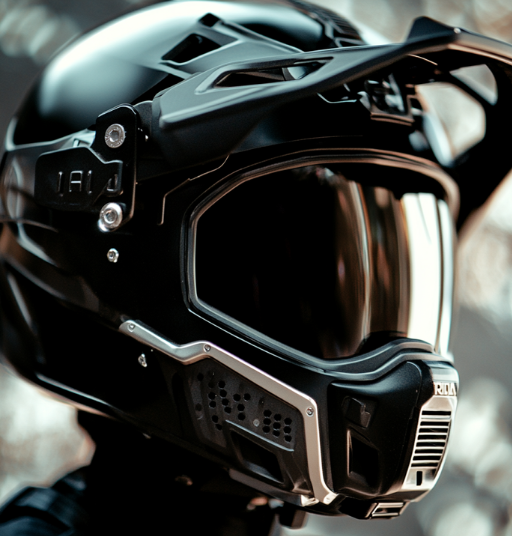
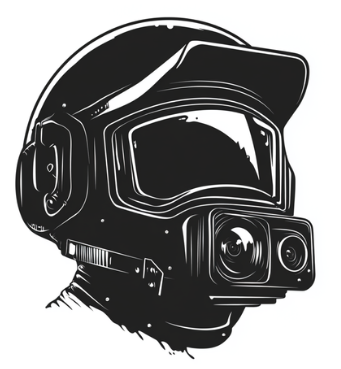
Chin Mounts provide the most natural, first-person perspective. They are aerodynamic and integrate cleanly with the helmet’s lines. However, they often require permanent helmet modification and may not fit all helmet shapes.
Side Mounts offer great versatility and easier access to camera controls. They present a compelling “over-the-shoulder” view. The trade-off is a less immersive POV and potentially more wind noise.
Top Mounts deliver exceptional stability and a commanding, elevated view of the road ahead. This position can suffer from a higher wind profile and a less intimate riding perspective.
Core Performance: Capturing Reality in Detail
Specifications translate directly to the quality of your evidence and art. Prioritize based on your primary goal.
For resolution and frame rate, treat 4K at 60 frames per second as the new performance standard. This provides stunning detail and the slow-motion capability crucial for analyzing technique or capturing fast action. The field of view is a critical choice: Wide mode captures more of your peripheral vision and handlebars, adding context, but can distort edges. Linear mode corrects this distortion, offering a more natural, cinematic look, albeit with a narrower crop.
The Durability & Ecosystem: Built for the Punishment
A motorcycle camera must withstand vibration, weather, and impact. Its supporting ecosystem determines how easily you interact with your footage.
| Component Category | Options | Key Characteristics |
|---|---|---|
| Image Stabilization | Electronic (EIS) vs. Mechanical | EIS: Software-based smoothing. Effective for high-frequency vibration; requires cropping the video frame, reducing field of view. Mechanical: Hardware-based (gyro/gimbal). Delivers buttery-smooth, uncropped footage even on rough roads; adds bulk, weight, and cost. |
| Housing & Seals | Standard vs. Premium IP-rated | Standard: Often water-resistant but not submersible. Adequate for light rain. Premium IP-rated (e.g., IP68): Fully waterproof and dustproof. Essential for all-weather riders and added peace of mind. |
| Connectivity | Wi-Fi/Bluetooth vs. Direct Ports | Wireless: Enables live preview, control, and quick file transfer via a smartphone app. Can drain battery. Direct Ports (USB-C): The most reliable method for high-speed data transfer and power. No connectivity dropouts. |
Managing Your Dynamic Recording System
A helmet camera is not a set-and-forget device. It is a dynamic system requiring proactive management. Master these control variables, and your camera will serve you flawlessly.
Control Variable A: Power & Storage Discipline
The Ideal: A camera that is always ready to record, with ample space for the entire journey.
The Consequence of Neglect: The heart-stopping realization that your camera shut off minutes before a critical event or a beautiful scene. Corrupted files from a slow, full memory card.
The Solutions: Calculate your true record time. If a battery is rated for 90 minutes at 4K/30fps, assume 70 minutes in real-world conditions with stabilization and GPS on. Use multiple batteries and a dual charger. For storage, only use high-endurance microSD cards (V30 rating or higher) designed for continuous video writing. My ritual: before every ride, I insert a freshly formatted card and fully charged batteries. It is non-negotiable.
Control Variable B: Conquering Audio Fidelity
The Ideal: Clear, rich engine notes and intelligible voice, with the chaotic roar of wind reduced to a manageable whisper.
The Consequence of Neglect: Visually stunning footage rendered useless by a constant, deafening blast of white noise. You cannot share what people cannot hear.
The Solutions: For serious audio, an external microphone adapter is the single biggest upgrade. Pair it with a lavalier mic tucked into your helmet padding. Always use a high-quality windscreen—often a fuzzy “deadcat”—over the mic. For built-in mics, aftermarket waterproof port plugs with integrated windslips can dramatically reduce noise.
The Art of the Riding Narrative
This is where recording transcends into craft. It’s the shift from capturing data to telling a story and generating insight.
Preparation: Configuring for Purpose
Your pre-ride settings should match your mission. For track analysis, prioritize a high frame rate (1080p/120fps or higher) for silky-smooth slow motion to dissect your body position and lines. For scenic touring, maximize resolution (4K/60fps) and experiment with flat color profiles if you plan to color-grade in editing software. For daily commuting (primarily for safety), loop recording and a balanced resolution like 2.7K may be optimal for file management.
The Editing Pipeline: From Footage to Story
Footage unedited is footage forgotten. Establish an efficient workflow. I offload files immediately after a significant ride. A quick review tags the best clips. Use simple, powerful editing software; the key is consistency. Even a basic edit—cutting out fuel stops, adding a music track, and including a map overlay—transforms raw clips into a shareable story that you will actually re-watch.
Multi-Angle Storytelling: Director’s Chair
One angle is a record; multiple angles are a film. Adding a second camera transforms your production. A common strategy: pair your helmet cam (subjective view) with a tank or chin-mounted camera (objective, stable view of the road and gauges). A third camera on the tail captures following riders or scenery. Synchronize them in editing using a clear audio cue like a clap or a blip of the throttle at the start of the ride.
Preventing Failure on the Road
Proactive care ensures your camera is as reliable as your motorcycle. Adopt a mechanic’s mindset for your electronics.
The Non-Negotiable Pre-Ride Ritual
This five-minute drill prevents 99% of issues. Lens: Clean with a microfiber cloth. A smudge ruins everything. Seals: Check the housing seal for debris. Mounts: Tighten the anchor and the quick-release mechanism. Connections: Ensure the USB port cover is snapped shut. Power on the camera and verify recording status before putting your helmet on.
Troubleshooting: A Tiered Response Plan
When problems arise, a calm, systematic approach saves the day.
| Issue | Likely Cause | Immediate Response |
|---|---|---|
| Fogging | Temperature differential between inside/outside of housing. | 1. Use anti-fog inserts inside the housing. 2. Ensure all seals are clean and dry before closing. |
| Overheating & Shutdown | High ambient temperature, direct sun, demanding video settings. | 1. Switch to a lower resolution/frame rate. 2. Provide shade if parked. 3. Ensure firmware is updated for thermal management improvements. |
| Freezing/Crashing | Corrupted memory card, firmware bug, faulty battery. | 1. Perform a hard reset. 2. Try a different, high-endurance memory card. 3. Reinstall the camera firmware via a computer. |
A Rider’s Annual Camera Calendar
| Season/Phase | Primary Tasks | What to Focus On |
|---|---|---|
| Spring / Season Start | Update all camera and app firmware. Format all memory cards. Inspect and stress-test every mount. Cycle-charge all batteries. | System readiness. Configuring settings for new riding goals (e.g., setting up for touring vs. track days). |
| Summer / Peak Riding | Regular lens cleaning before major rides. Weekly offload and backup of footage. Check mount tightness bi-weekly. | Capturing events, group rides, and long tours. Experimenting with new angles and editing techniques. |
| Fall / Transition | Deep clean camera and housing. Backup your entire year’s footage archive. Order any replacement parts (batteries, mounts). | Archiving and organizing the year’s best clips. Creating highlight reels. Preparing gear for colder, wetter rides. |
| Winter / Maintenance | Store batteries at 50-60% charge in a cool, dry place. Remove all mounts from helmets to prevent adhesive degradation. | Planning next year’s projects. Learning new editing software skills. Reviewing footage to analyze technique. |
The Road Ahead, Recorded in HD
The true mastery of a helmet camera lies in this balance: the rigorous discipline of system management paired with the creative freedom of storytelling. It begins with the intentional choice of hardware and culminates in the profound satisfaction of a polished narrative born from your own experience. This journey—from selecting a mount to producing a film—does more than create archives. It makes you a more mindful rider, a more compelling storyteller, and a more prepared participant on the road. The growth and innovation in this market are fueled by riders who demand more: higher fidelity, smarter integration, and richer data. By mastering the tools of today, you are not just documenting your journey; you are preparing to harness the innovations of tomorrow. The reward is a curated library of your life on two wheels, a tool for relentless improvement, and the unparalleled joy of seeing your world, forever, from the best seat in the house.