One of the most common questions from new riders shopping for a camera is why they need an action camera at all — they already have a phone with a great camera, or a DSLR at home. Here is the honest answer to what makes a GoPro different, and why it matters specifically for mounting to a motorcycle helmet.
What Makes an Action Camera Different
A GoPro and action cameras in general are designed around constraints that regular cameras are not built for:
- Compact, mountable form factor — small enough to attach to a helmet without affecting aerodynamics or balance
- Wide-angle fixed lens — captures your full riding environment without needing to aim
- Electronic image stabilization — compensates for vibration from the road and engine
- Rugged and waterproof construction — survives rain, dust, mud, and impact without a housing
- Continuous recording — designed to run for extended periods, not just short bursts
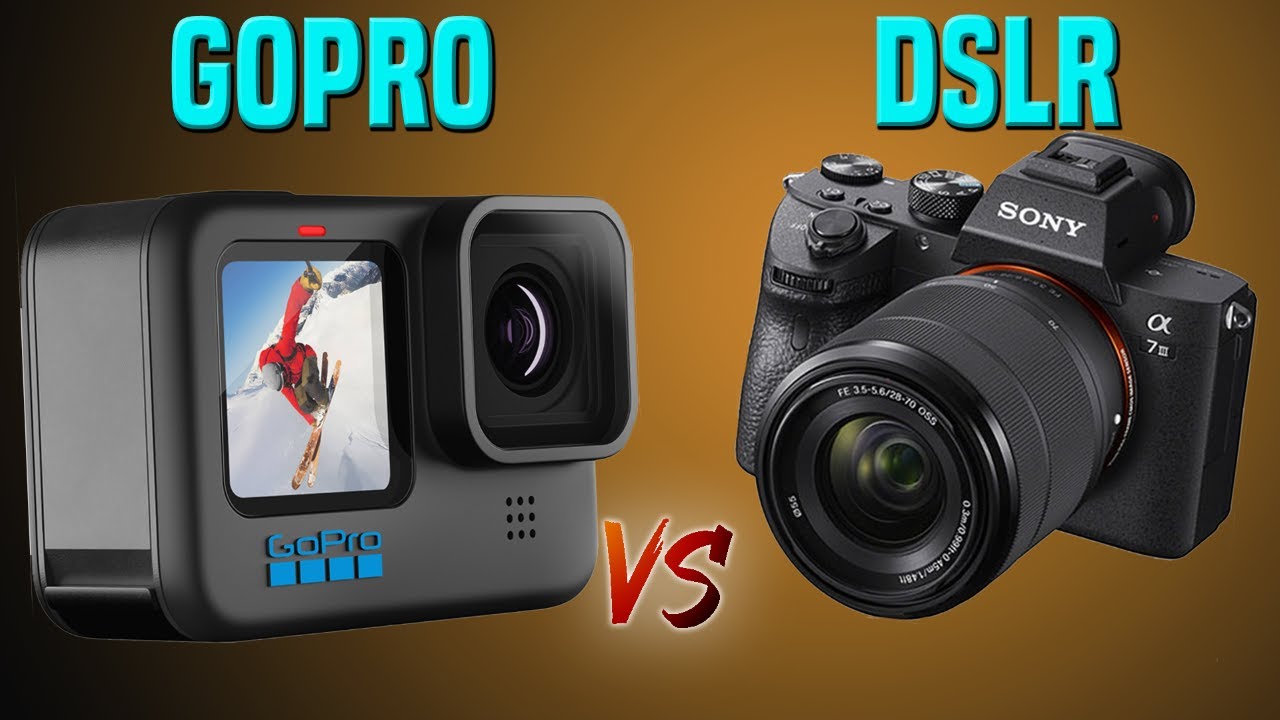
Side-by-Side: GoPro vs DSLR for Motorcycle Use
| Feature | GoPro Hero 13 Black | Typical DSLR / Mirrorless |
|---|---|---|
| Weight | 154g | 500-900g body only |
| Helmet mountable | Yes — standard mount system | No |
| Waterproof | Yes, to 33 ft / 10m | Weather-sealed at best |
| Stabilization on vibrating bike | HyperSmooth 6.0 — excellent | IBIS only — inadequate for handlebar vibration |
| Wide-angle coverage | 155 degree ultra-wide | Depends on lens fitted |
| Price (entry) | $199 | $600+ |
| Low-light quality | Good on Hero 13 | Better (larger sensor) |
GoPro vs Smartphone for Motorcycle Recording
The phone camera question is more nuanced. Modern iPhones and flagship Android phones shoot excellent video — often better than a GoPro in good light. The practical problems are:
- Mounting — phones are large and heavy. A phone on a helmet mount shifts your centre of gravity and creates wind drag at speed.
- Vibration — handlebar-mounted phones are notorious for destroying gyroscope sensors due to engine vibration. Apple has issued specific warnings about this.
- Heat and battery — phones overheat during extended recording in direct sunlight, especially when also running GPS navigation.
- Screen availability — leaving your phone recording ties up your navigation and communication tools for the entire ride.
For a dedicated helmet camera that runs for an entire ride, a GoPro or action camera is the right tool. For occasional filming at a photo stop, your phone is perfectly fine.
When a Regular Camera Is the Right Choice
If you are filming motorcycle content for YouTube — beauty shots of your bike, scenic overlooks, talking-head content — a mirrorless camera with a quality lens produces better image quality than any action camera. GoPro is the right tool for footage captured while in motion. A mirrorless is the right tool for everything filmed off the bike.
Many motorcycle content creators use both: a GoPro on the helmet for POV riding footage, and a mirrorless for scripted segments and b-roll. See our helmet camera buying guide for a full breakdown of on-bike camera selection.
Frequently Asked Questions
Can I use a regular action camera instead of a GoPro?
Yes — GoPro is just the most well-known brand. DJI, Insta360, and INNOVV all make excellent action cameras for motorcycle use. See our DJI vs GoPro comparison for specifics.
Is a GoPro better than an iPhone for mounting to a motorcycle helmet?
Yes, for helmet mounting specifically. The size, weight, dedicated mount system, and purpose-built stabilization make a GoPro significantly more practical than a phone on a helmet.
What is the main disadvantage of a GoPro over a regular camera?
Image quality in low light and at distance. The small sensor and fixed wide-angle lens mean GoPros are not suited for filming distant subjects or shooting in dark conditions. For on-road riding footage in normal daylight, this is rarely an issue.
Reviewed by the Digital Helmet Cameras Editorial Team. Comparison based on published specifications for GoPro, DJI, and smartphone cameras. Prices and availability change; check current listings.
Official resources: GoPro official specifications | GoPro vs other cameras comparison.