From Helmet to Hero Cam: Your Guide to Perfect POV Footage
Youāve just finished the ride of your life. The trail was perfect, the conditions epic. You canāt wait to relive it. But when you hit play, your video is a disorienting mess of sky and handlebars, shaky and unwatchable. The thrill is gone. This frustration ends now. The difference between forgettable clips and cinematic memories isn’t just the camera in your handāit’s the foundation you build for it on your helmet. A secure, smart mount is the unsung hero of every great action shot. This definitive guide is your master key to installing the Cason CS6, transforming your helmet into a rock-solid platform for footage that truly does your adventures justice.
Part 1: Foundational Choices ā Your Pre-Installation Strategy
Your initial decisions set the stage for everything that follows. Rushing this stage leads to poor angles, unsafe setups, and failed mounts. We begin with strategy, not adhesive.
A. Helmet & Mount Compatibility Check
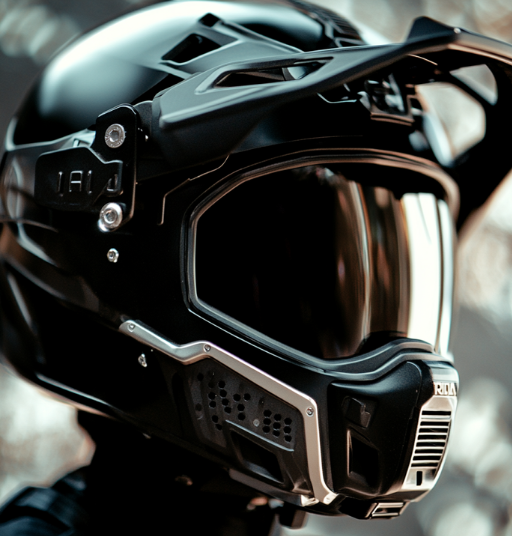
First, assess your battlefield. Is your helmet a smooth-shell road cycling model, a textured mountain bike lid, or a curved motorcycle helmet? The Cason CS6 kit typically includes both flat and curved adhesive mounts. Match the mountās base curvature to your helmetās surface for maximum contact and strength. Next, identify the ideal mounting zone. This is a balance of safety, perspective, and helmet integrity. Always mount on the thickest part of the shell, never on a vent or a compromised area. For a natural point-of-view (POV), the front-center, just above the visor or brow, is often ideal. It captures what you see without excessive helmet in the frame.
B. Gathering Your Toolkit
Success requires the right tools. Lay them out before you begin:
- Cason CS6 Mounting Kit: Identify the flat or curved adhesive mount, the quick-release buckle, and any pivoting arms.
- Isopropyl Alcohol (70% or higher): This is non-negotiable for degreasing the helmet surface.
- Microfiber Cloth: For cleaning without leaving lint.
- Marker or Grease Pencil: To lightly mark your chosen mounting spot.
- Patience: The most crucial tool. Adhesive needs time to cure.
Part 2: The Core System ā Mounting and Securing
This is where your strategy becomes physical reality. Treat this process as a precise procedure, not a hasty task.
A. Surface Preparation: The Non-Negotiable First Step
This step determines if your mount stays on through the first big impact. Thoroughly clean the chosen area on your helmet with isopropyl alcohol and the microfiber cloth. Scrub away all oils, dirt, and residues. Let it air dry completely. Once clean, hold the mount (without peeling the adhesive) against the spot. Assume your riding position. Envision your field of view. When satisfied, use your marker to make tiny alignment dots. This prevents misplacement under pressure.
B. Adhesive Mount Application
Peel the red backing off the 3M VHB tape on the mount. Align it perfectly with your marks. The moment it touches the cleaned surface, it will start to bond. Place it correctly the first time. Once positioned, apply firm, sustained pressure for at least 30 seconds. Now, walk away. The critical curing time is 24 hours. Do not attach the camera or subject the mount to any stress during this period. This allows the adhesive to reach full strength, creating a bond that can withstand immense vibration and wind force.
C. Attaching the Cason CS6 Camera
After 24 hours, the fun begins. Snap the quick-release buckle onto the adhesive mount. It should click securely into place. Then, insert your Cason CS6 camera into the buckleās slot, ensuring itās fully seated. Now, make your final angle adjustments. Loosen the pivot screw, tilt the camera to your desired POV (typically aiming at the horizon line), and firmly re-tighten the screw. Perform a gentle tug test on the entire assembly. It should feel like an extension of the helmet itself.
Part 3: Advanced Practices ā Optimization for Epic Footage
With the hardware secure, shift your focus to the software and fine-tuning. This is where good footage becomes great.
A. Dialing in Your Camera Settings
Your cameraās settings are your creative controls. Use these presets as a starting point for your Cason CS6:
| Activity | Resolution & Frame Rate | Key Settings |
|---|---|---|
| Mountain Biking/Trail Riding | 2.7K @ 60fps or 1080p @ 120fps | EIS (Stabilization): ON. High frame rates smooth out bumps and allow for slow-motion replay of jumps. |
| Road Cycling/Motorcycling | 4K @ 30fps or 2.7K @ 30fps | EIS: ON. Prioritize higher resolution for scenic rides. Use a Loop Recording mode for long tours. |
| Skiing/Snowboarding | 2.7K @ 60fps | EIS: ON. Use the Waterproof Case for moisture protection. White Balance: Set to “Snow” for accurate colors. |
B. Angle and Field-of-View Mastery
The classic rule is to position the camera so the lens sits about one inch above your visor or eyebrow. This generally captures a perfect mix of your action (ski tips, handlebars) and the scenery ahead. However, break this rule intentionally. For a more immersive, “handlebar-free” view of the trail, angle it slightly higher. Always perform a 10-second POV test: record a clip while holding your normal riding stance, then review it. Ensure the horizon is level and the frame tells the story you want.
Part 4: Threat Management ā Safety and Problem Prevention
A proactive mindset protects your gear, your footage, and most importantly, your safety.
A. Safety First: Helmet Integrity and Security
Understand that a properly installed adhesive mount is semi-permanent. Removing it may damage the helmet’s outer shell. You have chosen its home wisely. Before every adventure, make a security check part of your ritual. Visually inspect the mount for lifting edges and give the camera a firm tug in its buckle. Your helmet is safety equipment first; the camera must never compromise its structure.
B. Troubleshooting Common Issues
Even perfect setups can have quirks. Hereās your rapid-response guide:
- “Jello Effect” or Vibration: This is often caused by high-frequency vibrations. Ensure your mount is on the sturdiest part of the helmet. If using an extension arm, shorten it. In-camera, ensure Electronic Image Stabilization (EIS) is enabled.
- Excessive Wind Noise: The waterproof case is an excellent wind muffler. For even better audio, consider a small external microphone with a furry windjammer, routed inside your helmet.
- Camera Shuts Off Mid-Ride: This is almost always a battery or memory card issue. Format your microSD card in the camera before a big day, and always start with a fully charged battery.
Part 5: Your Pre-Adventure Action Plan
Run through this checklist before you launch. It takes two minutes and saves hours of missed footage.
| Checkpoint | Action Task |
|---|---|
| Power & Memory | Confirm full battery charge. Insert a formatted, high-endurance microSD card with ample free space. |
| Mount Security | Perform a visual and physical tug-test on the adhesive mount and camera buckle. |
| Frame & Settings | Conduct a 10-second POV recording test. Verify resolution, frame rate, and EIS are set for your activity. |
| Lens & Mic | Clean the camera lens with a microfiber cloth. Attach the waterproof case if in wet/dusty conditions. |
| Final Launch | Start recording. Give a quick thumbs-up or verbal cue to the camera to mark the start of your session. |
Ready for the Perfect Shot
Mastering this installation transforms your relationship with action footage. The camera ceases to be a gadget you worry about and becomes a seamless, forgotten extension of your kitāa trusted eye that captures the world as you experience it. You have moved from a clean helmet to a professional-grade action platform. The process is now yours: the strategic preparation, the precise installation, the thoughtful optimization. With your Cason CS6 secured and dialed in, you are no longer just riding a trail or descending a slope. You are authoring a story. Now, go out and frame your adventure. Every twist, every turn, every moment of triumph awaits its perfect shot.