The Lens of Truth: Seeing Through the Inferno
Imagine the scene: a wall of heat that feels solid, a roar that drowns out your own breath, and a thick, black smoke that turns your world into a claustrophobic, disorienting void. In a structure fire, human senses are overwhelmed. Memory becomes fragmented, a casualty of adrenaline and survival instinct. This sensory chaos is the greatest barrier to understanding what truly happens in our most critical emergencies. But now, a new perspective cuts through the darkness.
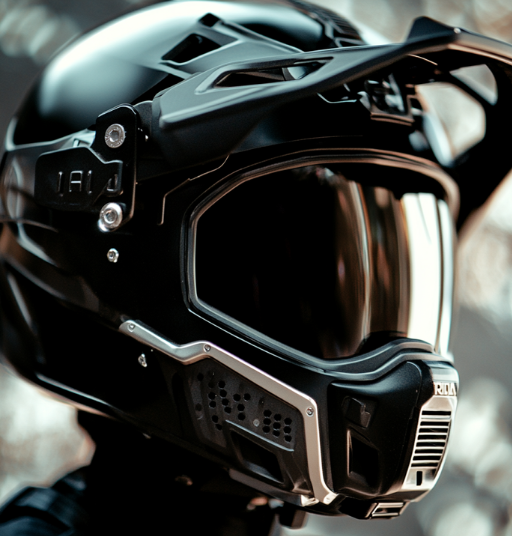
The firefighter helmet camera provides an unflinching, first-person witness. It records what the firefighter sees, hears, and endures. The analysis of a fatal apartment fire captured on firefighter helmet camera reveals more than a tragic event; it demonstrates how this technology is revolutionizing fireground accountability, forging next-generation tactical training, and providing an unprecedented window into extreme fire behavior.
Foundational Context: The Incident Unfolds
To understand the power of the footage, we must first establish the scene it documents.
The Call & Arrival
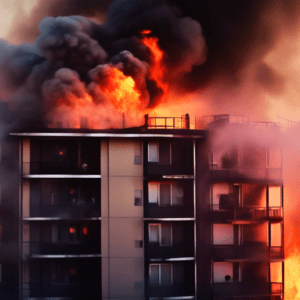
The incident was a reported structure fire in a multi-unit apartment building during the early morning hours. Initial reports suggested possible occupants trapped. First-arriving crews described a heavy smoke condition, with fire visible from a lower-floor unit. The stage was set for a rapid, high-risk interior attack.
Helmet Cam as Witness
The footage begins not with flames, but with the focused chaos of the ride: the radio chatter, the donning of SCBA, and the mental preparation. As the firefighter exits the apparatus, the camera captures the building’s facade, the initial smoke assessment, and the crew’s swift movement to the point of entry. This establishes a continuous, real-time timeline from arrival to crisis.
The Critical Imperative
This objective record is paramount. Under extreme stress, the human brain cannot log events with perfect, sequential fidelity. The helmet camera does. It provides an immutable account of conditions, actions, and communications, forming an unbiased foundation for all subsequent analysis. It is the closest we can get to truth in retrospect.
The Core Analysis: Tactics, Trauma, and Truth
The footage transforms from a simple recording into a multi-layered tool for dissection. We can analyze it across three critical dimensions.
Tactical Play-by-Play
The video allows for a frame-by-frame review of fireground procedures. Analysts observe the crew’s approach, their door control technique, and the method of the initial attack line advance. Crucially, the embedded camera captures fire behavior phenomena from inside the environment. Investigators can identify the telltale signs of flashover—the sudden ignition of superheated gases—or trace the deadly flow path of air and fire through the unit. This view is impossible to replicate with traditional external cameras.
The Human Element Under Extreme Duress
Beyond tactics, the footage captures the human experience. The audio records breathing rates, the tone and clarity of radio transmissions, and crew coordination. Visible cues like hand movements, posture, and the focus of the helmet light reveal workload and focus. The defining, somber moment is palpable: the shift in the crew’s energy when a search transitions from rescue to recovery. The camera bears silent witness to that profound burden.
The Investigative Key
For fire investigators, this footage is a Rosetta Stone. It helps establish a timeline of fire development, supports or challenges witness statements, and can directly point to the area of origin. In a fatal fire, it is instrumental in identifying contributing factors, such as compromised building components or the impact of victim actions. The table below outlines its primary investigative roles.
| Investigative Phase | Role of Helmet Camera Footage |
|---|---|
| Timeline Development | Provides a synchronized, first-person record of fire progression and firefighter actions from arrival. |
| Origin & Cause Analysis | Captures early flame patterns, ventilation effects, and interior conditions leading back to the fire’s start. |
| Fire Behavior Documentation | Records critical phenomena (flashover, backdraft indicators, flow path) in real-time from within the compartment. |
| Accountability Verification | Audibly and visually confirms crew locations, tasks, and adherence to safety protocols. |
Beyond the Incident: Broader Impacts and Ethical Weight
The value of such a recording extends far beyond a single investigation, carrying significant ethical and operational implications.
Training Transformation
This footage has become the most powerful tool in modern firefighter training. Instructors use it to teach with visceral impact. Trainees don’t just hear about flow path; they see its deadly consequence from the firefighter’s viewpoint. They learn to recognize the sound of a building under stress and the visual cues of impending flashover. It creates consequence-driven learning that lectures alone cannot achieve.
The Weight of Documentation
This power comes with profound responsibility. Departments must balance operational transparency with respect for victim privacy and firefighter dignity. Strict policies govern the storage, access, and use of such sensitive recordings. Furthermore, the psychological impact is dual-faceted: the firefighter wearing the camera may later relive a traumatic event, while crews reviewing fatal footage for training can experience secondary trauma. Mandatory critical incident stress debriefings must accompany the use of this material.
Lessons Forged in Fire
The record of a fatal apartment fire captured on firefighter helmet camera is more than an archive of tragedy. It is a catalyst for change and a guardian of truth. It serves a dual, sacred purpose: providing definitive answers in the pursuit of justice for the lost, and generating hard-won knowledge to protect the lives of firefighters and civilians in the future. These difficult videos capture our profession’s most devastating moments so that we may dissect them, learn from them, and ultimately prevent their repetition. In doing so, we ensure that the sacrifice witnessed through the lens is never in vain, and its lessons become permanently etched in the foundation of fire service knowledge.