The Vision: Seeing the Game Through the Quarterback’s Eyes
You call a play, break the huddle, and step to the line. The defense shifts, a safety creeps down, and in a split second, you must decide: throw, handoff, or audible? Now, imagine reviewing that exact moment from your own perspective—seeing what you saw, at the speed you saw it. This is the transformative power now at the core of Virginia football’s quarterback development. Systematic helmet camera utilization is the key to accelerating mastery, turning athletic potential into instinctive, repeatable execution.
Foundational Choices: The Hardware and Integration System
Effectiveness hinges on seamless integration. The technology must disappear for the quarterback while capturing pristine, actionable data for the coach.
Camera Selection and Mounting
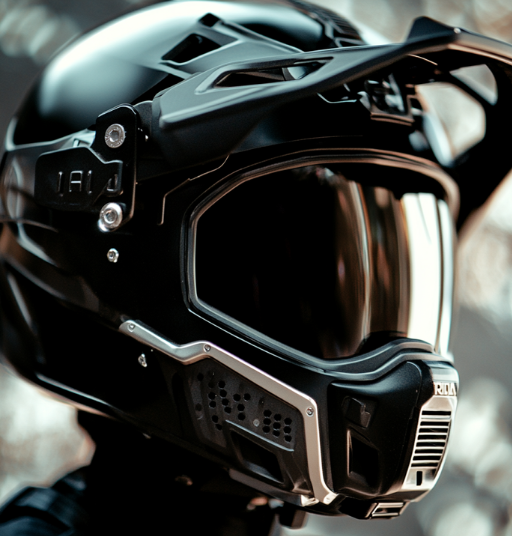
The ideal camera is ultra-lightweight, records in high frame rate for slow-motion clarity, and mounts securely to the helmet’s crown or side. The goal is an authentic sightline that mirrors the quarterback’s true field of view without compromising helmet safety, fit, or comfort. A chin-strap mount often provides the most stable and representative perspective.
Data Synchronization Setup
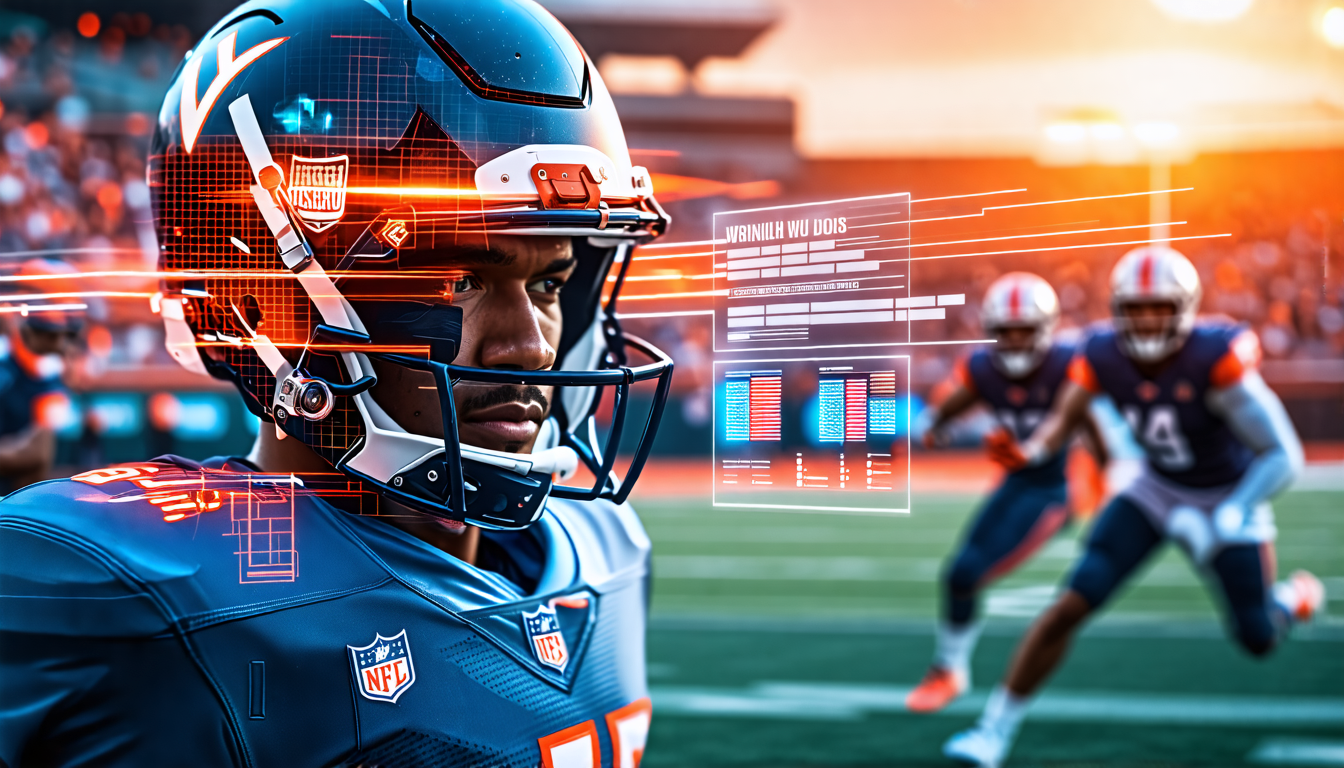
Raw helmet footage is powerful; synchronized footage is revolutionary. The tactical step is to align the first-person view with the broadcast or All-22 film and player performance data (like GPS speed). This creates a multi-layered timeline of each play, allowing coaches to correlate what the quarterback saw with his movements and the wider play development.
Component and Workflow Breakdown
| Component Category | Options & Key Characteristics |
|---|---|
| Capture Hardware | Lightweight action cameras (e.g., GoPro, Insta360). Key characteristics: Must be durable, have a wide field of view, and offer high-resolution recording at 60fps or higher for detailed frame-by-frame analysis. Battery life must sustain a full practice. |
| Synchronization Software | Video analysis platforms (e.g., Hudl, Sportscode). Key characteristics: Software that allows for simultaneous playback of multiple video angles on a single timeline. It must enable easy tagging of plays and moments for quick retrieval during review sessions. |
| Review Interface | Large touchscreen monitors and tablet devices. Key characteristics: The interface for review must be intuitive and collaborative. Coaches need to easily draw on the screen, pause on critical frames, and share clips directly to the quarterback’s device for later study. |
The Core System: Film Review and Cognitive Management
The camera is merely a recorder. The transformation happens in a structured review process that sharpens the quarterback’s cognitive system—his ability to see, process, and decide.
Pre-Snap Read Verification
This is the audit. Coaches use the helmet cam to verify what the quarterback identified before the snap: the defensive front, coverage shell, and potential blitz indicators. We compare his verbal call to the visual evidence. Did he see the rotating safety? Did he note the linebacker’s depth? This objective check builds diagnostic accuracy.
Post-Snap Progression Analysis
Here, we track discipline under fire. The footage objectively shows eye movement. Did his eyes jump to the primary receiver, or did they progress through the read? We correlate this with his footwork. Fast, clean footwork that matches the progression speed is the hallmark of a poised passer. Any disconnect is immediately visible.
Post-Play Decision Autopsy
We move beyond the result—was it a completion or not?—to evaluate the quality of the decision itself. Given what he saw at the moment of release, was it the correct read? A throwaway under pressure can be a winning decision. A completion into tight coverage can be a dangerous habit. The quarterback’s own visual evidence is the final judge.
Advanced Practices: Optimization and Mental Cultivation
Beyond basic review, helmet footage becomes a tool for mental rep cultivation and strategic tailoring.
Preparation – The Virtual Walkthrough
Coaches create defensive recognition “flashcards” from archived helmet cam clips. A quarterback can review 50 different blitz looks from his own perspective on a tablet the night before a game, reinforcing pattern recognition without physical wear. He pre-visualizes his reads, building neural pathways for game day.
Ongoing Inputs – The Self-Scouting Feedback Loop
Empowered quarterbacks use their own footage for self-diagnosis. They can identify personal tells: Does my head tilt before I throw to the left? Do my feet get narrow against interior pressure? This self-scouting creates a powerful feedback loop, turning the quarterback into his own best critic and coach.
Strategy Development – Building the Playbook
Aggregate data from all quarterback helmet cams provides strategic intelligence. The offensive coordinator can see which route concepts a quarterback identifies fastest and which coverages cause hesitation. This allows for tailoring the game plan to a quarterback’s visual strengths and processing speed, calling plays he sees and executes with confidence.
Threat Management: Error Prevention and Correction
The helmet cam is a proactive diagnostic tool, designed to prevent bad habits from becoming ingrained muscle memory.
Prevention Through Awareness
Weekly review reinforces positive visual habits. By consistently celebrating correct reads and identifying recurring pre-snap mistakes in practice, we build awareness that prevents those errors from surfacing on Saturday. It’s quality control for the quarterback’s mind.
Intervention – The Tiered Correction Plan
When a consistent error is spotted, we deploy a clear, three-tier plan. First, isolate the visual mistake on film with the quarterback. Second, drill the correct read on air or against shells, without pressure. Third, re-integrate the correction into team drills with the helmet camera rolling to verify the fix translates to a competitive environment.
The Weekly Development Calendar
| Phase | Primary Tasks | What to Focus On |
|---|---|---|
| Game Day +1 (Sunday) | Sync helmet cam with broadcast film. Initial review of critical plays. | Emotional decompression and objective post-game analysis. Separate decision quality from outcomes. |
| Early Week Installation (Mon-Tue) | Review practice footage for new play installations. Use clips for virtual walkthroughs. | Mastering the visual identifiers for new concepts and opponent-specific looks. |
| Late Week Refinement (Wed-Thu) | Focus on 3rd down/red zone period footage. Self-scout for mechanical tells. | Sharpening decision-making under pressure and eliminating pre-snap tells. |
| Game Day Recall (Fri-Sat) | Quick review of curated “flashcard” clips from the week. | Mental rehearsal and confidence building. Reinforcing key visual triggers. |
Forging Instinct: The Final Transformation
The core principle remains constant: use objective, first-person evidence to build repeatable, high-level performance. The journey begins with installing a camera but culminates in cultivating an instinctive, self-correcting quarterback. The profound reward is a passer who operates with clarity and unshakable confidence, his development continuously sharpened by the unparalleled perspective in his own helmet. This tool has moved from novel gadget to indispensable cornerstone in the Virginia quarterback room, forging not just better players, but smarter, more autonomous field generals.