From Wobbly Disappointment to Cinematic Thrill: Mastering the Ride’s Perspective
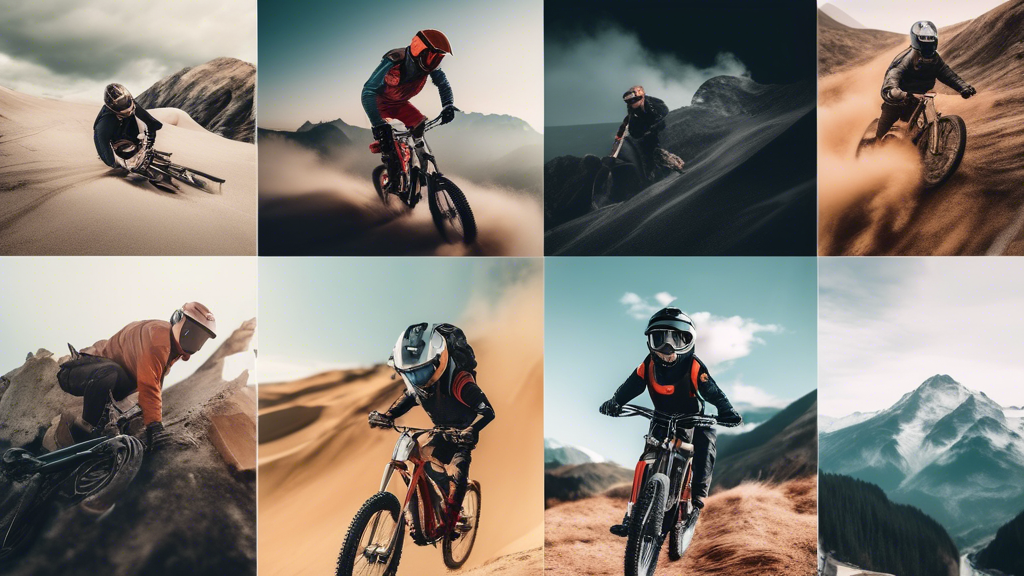
You crest the hill, the trail opens up before you, and the rush is pure magic. Later, you review the footage only to find a jittery mess of sky and chin bar—a shaky ghost of the experience that fails to capture a single ounce of the feeling. This disconnect between the lived adventure and the recorded memory is the ultimate frustration for the passionate rider. The secret to bridging that gap isn’t just a better camera; it’s mastering the perspective from which it films.
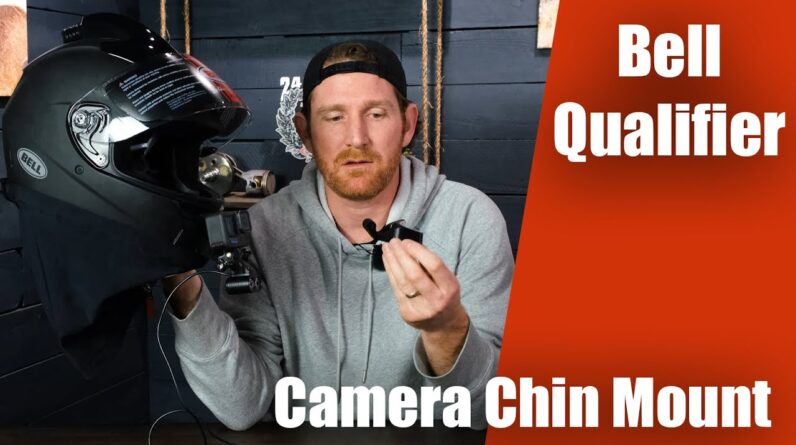
The right mounting solution is the unsung hero of immersive action sports footage. It is the critical interface between your vision and the sensor. Mastering your perspective starts with a secure, versatile, and intelligent mount. The Bell Qualifier Helmet Chin Mount for GoPro, DJI Osmo, and Insta360 Action Cameras with Added Light Mount is the foundational key to professional-grade, hands-free recording. It transforms your helmet from protective gear into a stabilized, multi-purpose production platform.
Foundational Choices: Your Mounting Platform
Your mount is the bedrock of your point-of-view (POV) system. A poor choice will undermine even the best camera, introducing shake, awkward angles, and constant frustration. This platform dictates everything about the quality and reliability of your capture.
Selection & Compatibility: The Chin Position Advantage
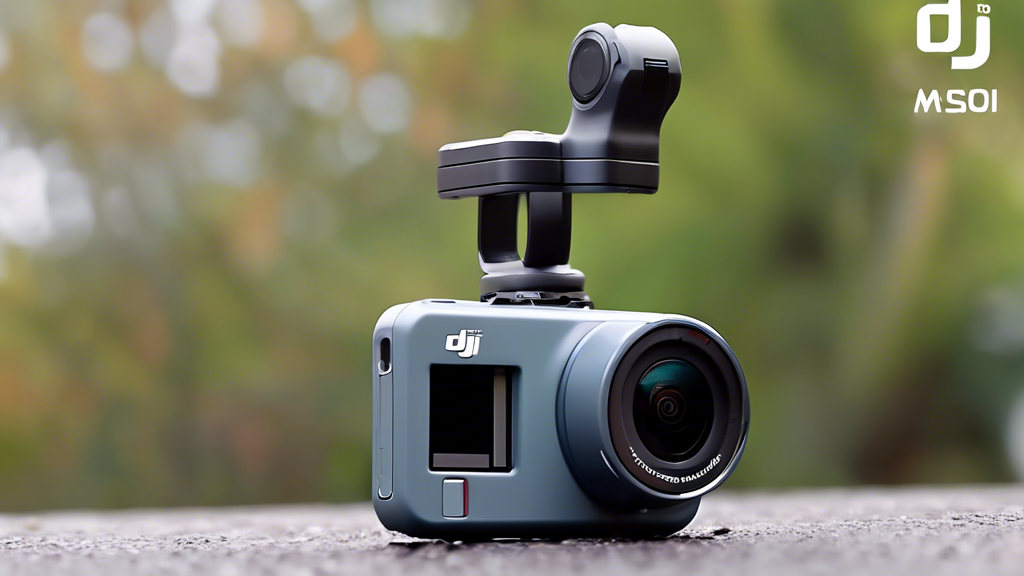
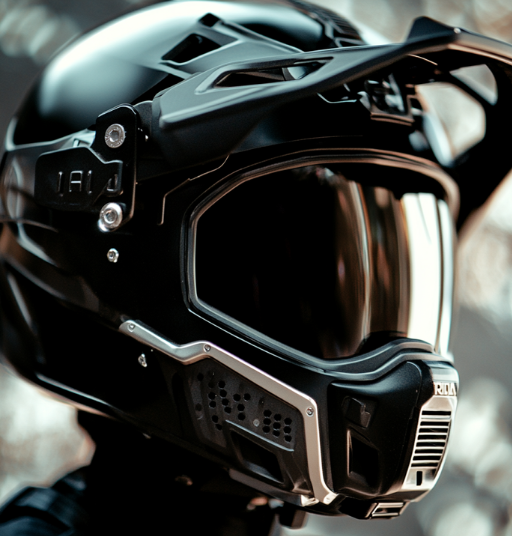
The chin of the helmet is the optimal location for dynamic POV footage. Unlike top or side mounts, the chin position places the camera close to your natural eye line, creating an immersive, first-person perspective that feels authentic to the viewer. It also benefits from a short lever arm against the helmet, drastically reducing the vibrational energy that reaches the camera, resulting in noticeably smoother footage. This mount is engineered specifically for the contours of the Bell Qualifier helmet series, ensuring a seamless, low-profile fit. Its universal adapters provide native compatibility with the major action camera ecosystems: GoPro, DJI Osmo Action, and Insta360.
Location & Setup: A Permanent, Secure Foundation
A secure installation is non-negotiable for safety and performance. Follow this tactical guide:
- Surface Preparation: Thoroughly clean the helmet’s chin bar area with isopropyl alcohol. Any dirt or residue will compromise the adhesive’s bond.
- Dry Fit & Alignment: Before peeling the adhesive backing, hold the mount in place. Ensure it sits centrally and does not interfere with your vision, chin bar operation, or ventilation ports.
- Permanent Adhesion: Apply firm, consistent pressure to the entire mount base for at least 60 seconds after placement. For maximum bond strength, allow the 3M VHB adhesive to cure for 24 hours before loading it with a camera.
- Cable Management: If using the integrated light mount with a powered light, plan your cable route. Use small zip-ties or adhesive cable guides to secure the wire along the helmet’s edge, keeping it clear of your face and any snag points.
Material & Components: The Anatomy of Control
This mount is more than a bracket; it’s a system of components. Understanding each part allows you to optimize for your specific needs.
| Component Category | Options | Key Characteristics |
|---|---|---|
| Mounting Arm | Fixed-position vs. Adjustable ball-joint | The ball-joint arm offers infinite micro-adjustments for perfect framing but has more potential points for vibration. The fixed arm provides ultimate rigidity and vibration dampening, ideal for high-frequency vibration environments like motocross, but requires perfect initial alignment. |
| Camera Adapter | Standard thumbscrew vs. Quick-release system | The standard thumbscrew is universally reliable and minimizes failure points—my personal choice for ultimate security. A quick-release system enables rapid camera swaps between rides or angles but introduces a small latch that must be regularly checked for wear. |
| The Added Light Mount | Integrated 1/4″-20 or GoPro-style finger | This is the feature that transforms the unit. It turns your capture platform into a dual-purpose hub. You can mount a powerful bike light or a dedicated video LED to illuminate night trails. The key is managing the dual-system balance to avoid lens flare from your own light source. |
The Core System: Capture Management and Control
With the platform secured, you now manage an active capture system. This is where you transition from a passive recorder to a director of perspective.
Angle & Perspective Control: Framing the World
Your goal is a frame where the horizon is level and the action fills the screen. Tilt the camera so the bottom edge of the frame just captures the front of your chin bar or mouthpiece—this creates a natural reference point without dominating the view. The consequence of a poor angle is wasted footage: too much helmet reminds viewers they’re watching a camera, while too much sky loses the trail and the action.
Vibration & Stability Management: The Pursuit of Smoothness
The chin mount’s primary advantage is its innate stability. By anchoring the camera close to the helmet’s pivot point (your head), it minimizes the whip-like effect that plagues long arm mounts. For the remaining high-frequency buzz from handlebars or rough terrain, engage your camera’s electronic stabilization (Hypersmooth, RockSteady, FlowState). Remember, the best stabilization is a combination of a solid mechanical mount *and* smart digital processing.
Dual-System Control: Camera and Light Harmony
Using the light mount requires active management. Position the light slightly below and to the side of the camera lens to prevent direct flare. On the camera, manually lock your exposure (using a fixed shutter speed and ISO) to prevent the scene from pulsing as you look around. The light illuminates the path; the camera records the story. They must work in concert, not conflict.
Advanced Practices: Footage Optimization
Now we shift from hardware setup to the art and science of recording. This is the practice that yields professional results.
Preparation: The Pre-Ride Ritual
Your pre-ride checklist is sacred. Securely click the camera into its adapter. Use a microfiber cloth to clean the lens and the light’s glass. Verify memory card space and battery levels for both devices. This two-minute ritual prevents the heartbreak of a three-hour ride with no recording.
Ongoing Inputs: Managing the Recording
For long adventures, use efficient settings. Record in a high-efficiency codec like H.265/HEVC to save space. Consider using loop recording for continuous coverage without file management. If your light is USB-powered, secure the cable connection with a dab of silicone glue or a weatherproof cover to prevent disconnection from vibration or moisture.
Creative Strategy: Shooting with Intent
Use the stable, immersive chin perspective to your creative advantage. For technical trail features, a slight look down captures your bike’s handling. On scenic road stretches, a level gaze captures the sweeping landscape. In group rides, a turn of your head naturally includes your riding partners, making the viewer feel part of the pack.
Threat Management: Problem Prevention and Solution
Adopt a proactive stance. Your mount is subject to extreme forces; regular vigilance is the price of reliability.
Prevention: The First and Best Defense
Before every ride, visually inspect the adhesive bond for any lifting at the edges. Check the tightness of all thumbscrews and ball joints. Most critically, always use a safety tether (camera leash) secured from your camera to your helmet strap. This is a non-negotiable insurance policy against a complete mount failure.
Intervention: Troubleshooting Common Issues
When problems arise, follow this tiered response:
Issue: Persistent lens vibration (high-frequency blur).
Solution: First, ensure all arms and adapters are firmly tightened. If using a ball-joint arm, try tightening it slightly past finger-tight with a tool. If the issue continues, consider switching to a fixed-arm mount for ultimate rigidity.
Issue: Light causing lens flare or overexposing the foreground.
Solution: Reposition the light on its arm. Angle it slightly further down or away from the camera’s direct field of view. Use a light with a focused beam pattern rather than a flood.
Your Action Plan: The Pre-Ride & Maintenance Calendar
| Phase | Primary Tasks | What to Focus On |
|---|---|---|
| Pre-Ride (Every Time) | Inspect mount adhesion; attach camera/light; set recording mode; attach safety tether; clean lenses. | Security and Settings. Ensuring everything is locked down and configured for the day’s ride. |
| Post-Ride (Every Time) | Remove camera/light; wipe down mount and arms with a dry cloth; check connectors for debris or moisture. | Longevity and Readiness. Preventing corrosion and wear, leaving the system ready for next time. |
| Monthly / Bi-Annual | Deep clean adhesive area with alcohol; inspect metal arms for stress cracks or fatigue; test safety tether clasp for strength; update camera firmware. | System Integrity. Proactive failure prevention and performance updates. |
The Reward: A Perspective Perfected
The principle remains: a secure, controlled perspective is the heart of great ride footage. It is the invisible foundation upon which every cinematic moment is built. You began by choosing the right tool—the Bell Qualifier Helmet Chin Mount—a platform defined by its stability, versatility, and dual-purpose design. You mastered its setup, learned to manage the capture system, optimized your recording practice, and instituted a regimen of proactive care.
The transformation is realized when you hit playback. The footage is stable, the angle is immersive, and the story of your ride unfolds with cinematic clarity. The thrill of the descent, the beauty of the landscape, the camaraderie of the trail—it’s all there, captured not as a shaky afterthought, but as a vibrant, shareable experience. This is the profound satisfaction of mastery: your adventures are no longer just remembered; they are relived, celebrated, and shared with unparalleled impact.