From Spectator to Sensation: Your Helmet is Now a Portal
Imagine feeling every brutal impact on a rutted forest track. Hear the precise, urgent call of the co-driver over the screaming anti-lag. See the world twist into a blur of color as you flick the car through a hairpin. For decades, this visceral, first-person reality of rally driving was a locked room—a private sensory experience reserved for the elite few behind the wheel. Watching from the outside always left a gap, a layer of separation between you and the raw truth of the stage. Modern helmet camera technology has finally shattered that barrier. But simply sticking a camera on a helmet yields chaotic, unwatchable footage. Mastering this tool is the key to unlocking and sharing the true, unfiltered intensity of the WRC, transforming passive viewers into virtual participants.
Building Your Vision: The Hardware Foundation
Your camera is your primary witness to the event. Its form, placement, and capabilities determine whether you capture a shaky, confusing mess or a stable, immersive perspective. This choice is the bedrock of your entire project.
Form Factor & Strategic Mounting
Not all cameras are built for the violent world of rally. Your mounting point dictates the entire narrative perspective.
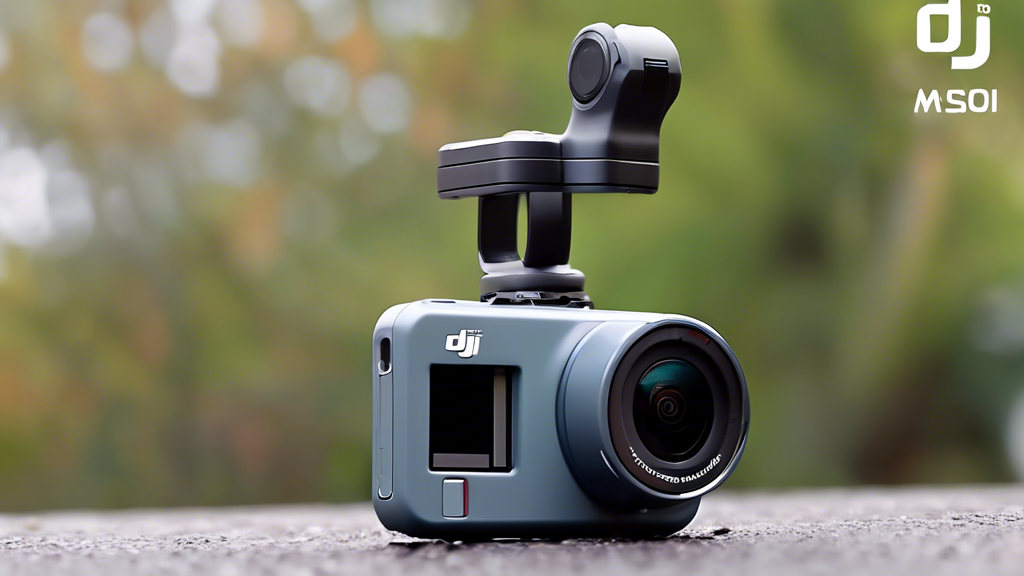
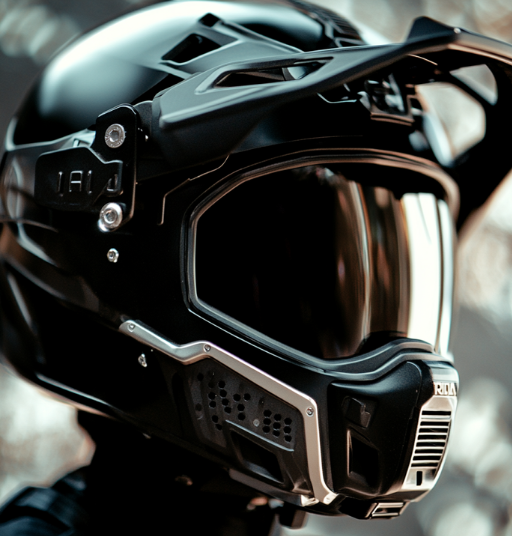
Bullet Cameras are low-profile, aerodynamic, and ideal for chin-bar or side-of-helmet mounting. They offer a natural, “eyes-forward” view but can struggle with excessive vibration. Modular Action Cameras (like GoPro) offer superior image quality and stabilization in a compact cube. They are versatile but more exposed. The emerging ideal is the integrated visor port mount, where the lens sits flush in the helmet shell, offering a perfectly centered, aerodynamic view that matches the driver’s sightline exactly.
Capturing the Driver’s Perspective
Angle is everything. Position the camera to include a sliver of the steering wheel rim and the driver’s gloved hands—this human element grounds the footage. Ensure the horizon line sits in the lower third of the frame to maximize the view of the road ahead. All cables must be secured with anti-vibration loops and routed away from any helmet removal mechanisms or critical padding. The setup must be an extension of the safety equipment, never a compromise.
Core Specifications Decoded
| Specification | Options & Impact |
|---|---|
| Sensor & Stabilization | A larger sensor (1/1.7″ or bigger) captures more light, crucial for dark forest stages. Electronic Image Stabilization (EIS) is good; gyro-based stabilization that uses motion data is far superior for canceling out high-frequency vibration. This is non-negotiable for smooth footage. |
| Resolution & Frame Rate | 4K resolution captures critical detail. Film at 60 frames per second (fps) or higher. This allows for smooth slow-motion replay of dramatic moments like jumps or slides, without sacrificing fluidity in real-time playback. |
| Field of View (FOV) | A wide or linear FOV (not the ultra-distorted ‘SuperView’) is ideal. It captures the sweeping environment and the car’s interior without making the road ahead feel distant or unnaturally curved. |
| Low-Light Performance | This separates professional results from amateur ones. Look for cameras with wide aperture lenses (e.g., f/2.0) and sensors that maintain low noise in shadowy conditions. Test in a dark garage before hitting the stage. |
Commanding the Chaos: The Capture Environment
On a rally stage, your camera enters a warzone of physics. Success requires actively managing three relentless enemies: vibration, light, and noise.
Taming Vibration and Shock
The Goal: A cinematically smooth image that communicates speed without destructive jitter.
The Failure: A pixelated, shaky mess where the audience cannot focus on the action, losing all sense of detail and control.
The Solution: Combine physical and digital defenses. Use a gyro-stabilized camera as your first filter. Then, mount it using a dampened anti-vibration base. In post-production, software like Gyroflow can use the camera’s motion data to further stabilize footage, often salvaging otherwise unusable shots.
Conquering Dynamic Lighting
The Goal: Balanced exposure that holds detail in both dark tree cover and blinding snow or sun.
The Failure: Blown-out, white skies or featureless black shadows, completely losing the challenging environment that defines rally.
The Solution: Do not use auto-exposure. It will constantly hunt and flicker. Lock your exposure manually for a consistent look. Attach a Neutral Density (ND) filter to prevent overexposure in bright conditions, allowing you to use a wider aperture. If your camera has a robust HDR or LOG profile, use it to capture maximum dynamic range for grading later.
Mastering Audio Capture
The Goal: A rich, clear mix of mechanical symphony: engine roar, transmission whine, gravel impacts, and the vital co-driver calls.
The Failure: A constant, overwhelming hurricane of wind noise that drowns out everything else.
The Solution: Use an external, waterproof microphone placed inside the helmet, near the mouth. Cover it with a dense, furry windslip. In camera settings, set an audio limit to prevent distortion from sudden loud noises. This captures the intimate sounds of effort and communication that sell the reality of the drive.
The Art of the Story: Crafting the Narrative
Once you’re reliably capturing clean footage, the mission shifts from recording to storytelling. This is where you create a layered, compelling experience.
Multi-Angle Synchronization
A single perspective is powerful, but a second angle creates context. Mount a small, secondary camera facing the co-driver to capture their focused delivery of pace notes. Or, mount one on the rear roll cage looking forward at the driver. Use a clap or a distinct audio cue at the start of the stage to sync the feeds in editing, allowing you to cut between intense focus on the road and the human reaction inside the car.
Data Overlay Integration
This is the ultimate tool for insight. Synchronize your video with the car’s telemetry data—speed, gear, throttle/brake percentage, and lateral g-forces. Overlaying this data graphically on the video transforms the viewing experience. The audience doesn’t just see a slide; they see the driver lift, apply 80% brake, and pull 1.5G. It quantifies the skill, adding a deep layer of appreciation. Software like RaceRender makes this process achievable.
Editing to the Rhythm of the Stage
WRC footage has its own cadence. Respect it. Use longer, unbroken takes during complex technical sections to let the viewer appreciate the flow. Employ rapid, impactful cuts for sequences of jumps or connected corners. Most importantly, never cut over the co-driver’s calls. Let their audio be the guiding thread that ties the entire stage together. The pace notes are the narrative.
The Proactive Defense: Ensuring the Shot Happens
On a remote special stage, there are no second chances. A failure isn’t an inconvenience; it’s a lost piece of history. Adopt a mindset of rigorous prevention.
Prevention is Your First Defense: Before every session, execute a checklist: format memory cards in-camera, load 200% battery capacity, clean lenses with microfiber, and apply anti-fog inserts. Ensure every mount is torqued and secured with safety wire or loctite. Your entire kit must be sealed against dust, mud, and water immersion.
When Problems Strike: Learn to identify and triage. Lens fogging requires pre-applied anti-fog pads or balanced ventilation. Overheating can be mitigated by removing external cases in hot weather. Camera freeze often requires a hard reset—know the button sequence. Carry a minimal toolkit (precision screwdriver, spare mounts, microfiber) in your service park bag.
The Rally Weekend Camera Checklist
| Phase | Primary Tasks | Critical Focus |
|---|---|---|
| Recce / Preparation | Test all camera angles and mounts. Confirm audio levels. Set and lock exposure/white balance profiles for expected conditions. | System Testing. Verify the entire workflow—capture, offload, backup—before competition pressure. |
| Shakedown | Deploy full race setup. Record multiple stages. Check for vibration issues, unwanted mic noise, or mounting looseness. | Final Validation. This is your last chance to adjust angles, settings, or hardware before the timed stages. |
| Race Day (Per Stage) | Pre-stage: Power on, confirm recording, final lens clean. In-service: Immediately offload footage to two separate drives. | Reliable Capture & Secure Backup. The goal is flawless recording and instant data preservation. |
| Post-Stage | Log footage with stage name and number. Charge all batteries. Inspect mounts and equipment for wear or damage. | Maintenance & Organization. Prepare the kit to do it all again, ensuring nothing fails from fatigue. |
Becoming the Portal
This journey from selecting a ruggedized camera to producing a cinematic, data-infused story is about more than documentation. It is about translation—converting human sensation, skill, and adrenaline into a shareable digital experience. You learn to manage light, sound, and extreme forces as actively as a driver manages grip and weight transfer. The result is a profound shift: you are no longer just pointing a camera. You are engineering a portal. You democratize the adrenaline, the concentration, and the sheer audacity of rally racing. By mastering these tools, you forge a deeper, more emotional connection between the sport and its fans. The unparalleled reward is hearing someone say, for the first time, that they finally felt what it was like inside the helmet.