The Unstoppable Perspective
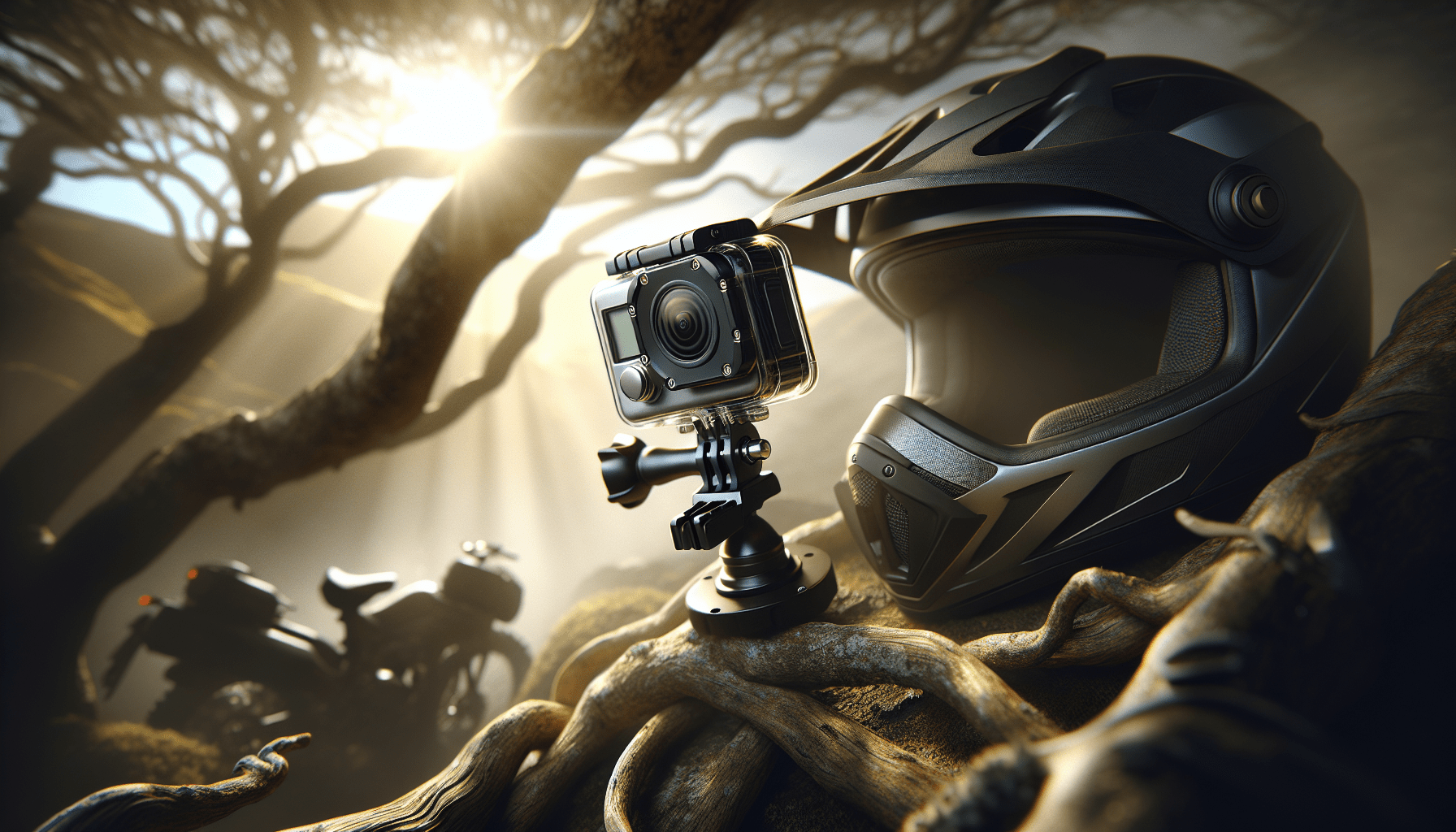
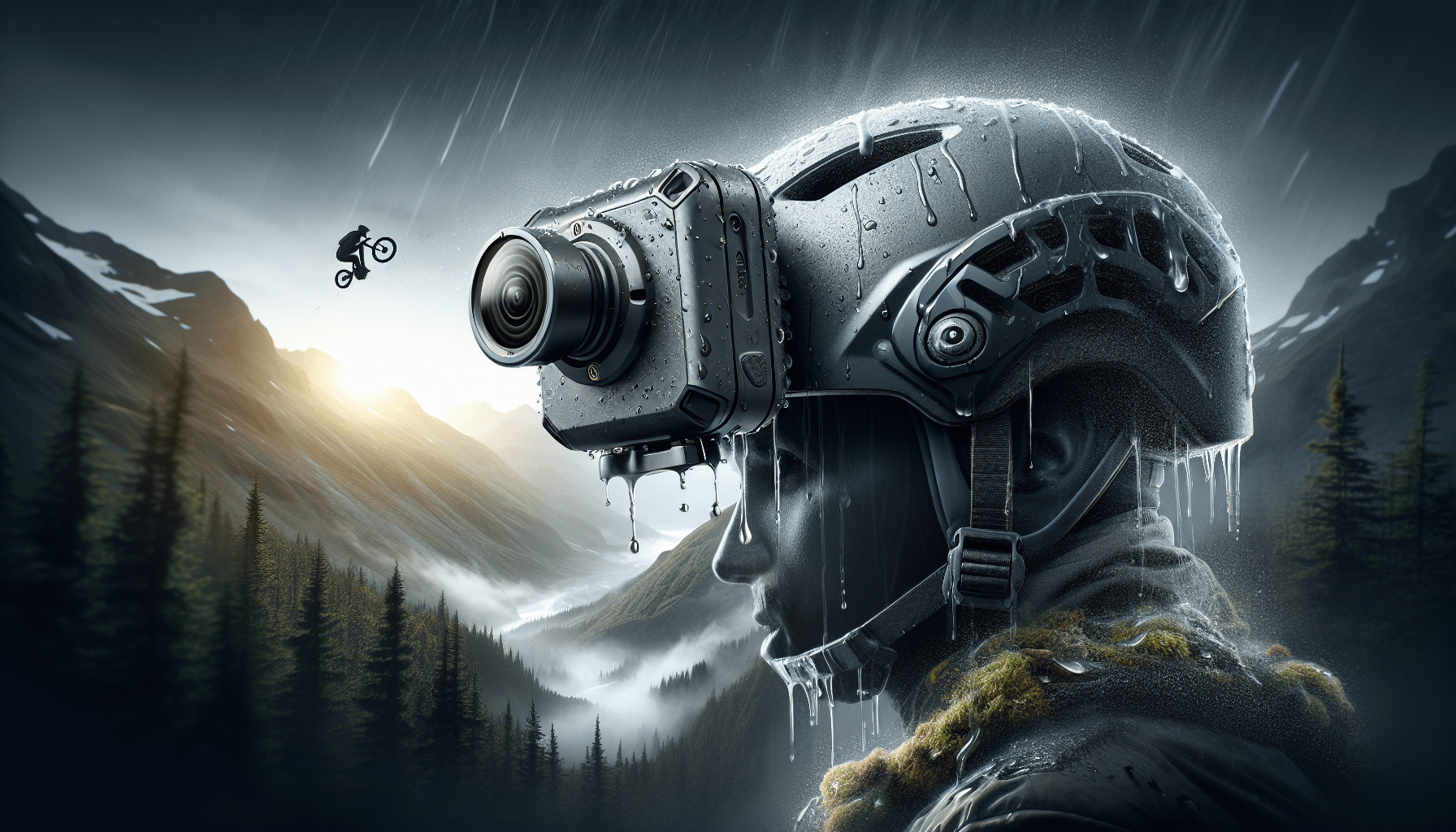
You’re halfway down the singletrack when the sky opens up. Rain lashes your visor, mud flies, and the trail becomes a river. Or you’re cresting a wave on your surfboard, the horizon tilting wildly, with only a split second to react. In these moments, you can’t afford to worry about your camera. You need the shot to be as resilient as you are. This fearless documentation is the promise of the modern waterproof helmet camera. It’s not merely an added spec; it is the foundational key to ultimate creative freedom and reliability. Exploring the benefits of these tools reveals how they transform us from fair-weather filmers into all-condition storytellers, capturing life’s most dynamic moments without compromise.
Foundational Choice: The Core of Confidence
Your first decision—opting for a waterproof model—forms the bedrock of a worry-free filming philosophy. This choice dictates where you can go and what you can endure. We must break down the two pillars of this decision: understanding protection ratings and choosing your form of defense.
Decoding Protection: IPX vs. Depth Ratings
Not all waterproofing is equal. Manufacturers use two primary rating systems. The IP (Ingress Protection) code, like IPX8, rates protection against solids and liquids. The ‘X’ means dust resistance isn’t rated, while the ‘8’ indicates protection against continuous immersion beyond 1 meter, as defined by the manufacturer. For water sports, an ATM (atmosphere) rating is often clearer. It states the static water pressure a device can withstand. 10 ATM, for example, means resistance to pressure equivalent to a depth of 100 meters. For context, a camera rated 10 ATM is overkill for surfing but essential for serious scuba diving.
| Rating Type | Common Rating | Real-World Meaning | Ideal For |
|---|---|---|---|
| IPX | IPX4 / IPX8 | IPX4 resists water splashes from any direction. IPX8 is for continuous immersion, depth defined by maker. | IPX4: Trail running, light rain. IPX8: Swimming, heavy weather. |
| ATM | 5 ATM / 10 ATM | 5 ATM (~50m depth pressure) handles swimming, surfing. 10 ATM (~100m) is for snorkeling, recreational diving. | 5 ATM: Watersports, kayaking. 10 ATM: Freediving, scuba. |
Integrated Armor vs. Add-On Defense
Your next choice is between inherent protection and an external shell. A camera with built-in waterproofing offers seamless convenience. It’s always ready, with no extra parts to lose or seals to forget. The integrity is superb, as the design is engineered as one sealed unit. I’ve relied on my integrated waterproof camera for years of ski touring; pulling it from a snowbank and continuing to film is effortless. The trade-off is that maximum depth is fixed by its design.
A separate dive housing offers ultimate protection, often pushing depth ratings to 60 meters or more. It’s the only choice for technical diving. However, it adds bulk, can slightly distort audio and image at the edges, and is one more piece of gear to manage. Your decision hinges on your primary environment: choose integrated for all-weather versatility and simplicity; choose a housing for specialized, deep-water missions.
The Core Benefits: Why Waterproofing is a Game-Changer
Unparalleled Reliability in All Conditions
This is the non-negotiable benefit. A waterproof helmet camera conquers rain, snow, mud, and spray without a second thought. The psychological shift is profound. You stop being a photographer battling the elements and become an athlete or adventurer who happens to be recording. Your focus stays on the trail, the wave, or the line down the mountain, not on sheltering your gear. This reliability builds trust, shot after shot.
Expanded Creative Possibilities
Waterproofing unlocks perspectives that were once logistically fraught or impossible. It enables the seamless transition from land to water—imagine following a mountain biker straight into a creek crossing without cutting the shot. You can mount it on a kayak paddle for a submerged blade view, or capture the surreal silence of a snow-covered forest. Your creative palette expands to include the very elements that used to signal “pack up the camera.”
Enhanced Durability and Longevity
The seals that keep water out also defend against insidious threats: dust, fine sand, and corrosive salt spray. These particulates are the true killers of electronics, grinding into buttons and ports. A well-sealed camera inherently resists this contamination. This makes it a smarter long-term investment. My oldest waterproof model, despite countless abuses, still functions perfectly because its core components were never exposed to grit and corrosion.
Advanced Considerations: Optimizing Your Waterproof Setup
Mastery means optimizing the entire system around the camera’s sealed nature.
Audio Quality Management: Waterproof sealing inevitably muffles sound. For clear audio, use an external microphone routed through a dedicated waterproof adapter port. If your camera lacks this, a simple fix is to record audio separately on a waterproof voice recorder and sync in post-production. The visual immersion remains, now paired with crisp sound.
Lens Care and Maintenance: Post-adventure care is critical. After saltwater or muddy use, rinse the camera in fresh water. Gently dry it before opening any ports. Use a microfiber cloth and lens spray designed for coated optics to clean the lens. This prevents salt crystallization and scratches that can ruin image quality.
Mounting Integrity: Your camera is only as secure as its mount. In wet, cold, or vibrating environments, standard adhesives can fail. Use manufacturer-recommended mounts and clean the surface with isopropyl alcohol before application. For extreme sports, I always use a secondary safety tether, like a thin leash from the camera to my helmet strap.
Threat Management: Avoiding Pitfalls
Adopt a proactive stance. Prevention is your primary weapon.
Prevention Protocol: Before any wet activity, make this ritual. Visually inspect all rubber seals and O-rings for debris, hair, or damage. Ensure the battery door is firmly locked—the most common point of failure. For dive housings, perform a shallow water check for a minute before your full dive. Store your camera with the battery door slightly ajar to prevent seal compression.
Intervention Plan: If a camera floods, act swiftly but calmly. Do not press any buttons or charge it. Immediately remove the battery and memory card. Gently shake out any water. Bury the device in a bag of silica gel packets or uncooked rice for at least 48-72 hours. This won’t guarantee salvation, but it’s the best chance to draw moisture away from the circuitry.
The Transformative Advantage
Exploring the benefits of waterproof helmet cameras ultimately leads to a single, powerful realization: they enable a no-limits approach to capture. This journey begins with the informed choice of robust hardware, rooted in understanding ratings and design. It matures through leveraging the core benefits of reliability, creativity, and durability. It is perfected by the meticulous habits of optimization and prevention. The result is a profound shift. The anxiety of the forecast evaporates. Every downpour becomes an opportunity, every splash a potential shot. You gain the profound satisfaction of knowing your story will be recorded, no matter what the adventure throws at you. This transforms every outing from a simple activity into a potential masterpiece, waiting to be relived and shared. That is the true, transformative advantage of the unstoppable perspective.