The View from the Couch vs. The View from the Cockpit
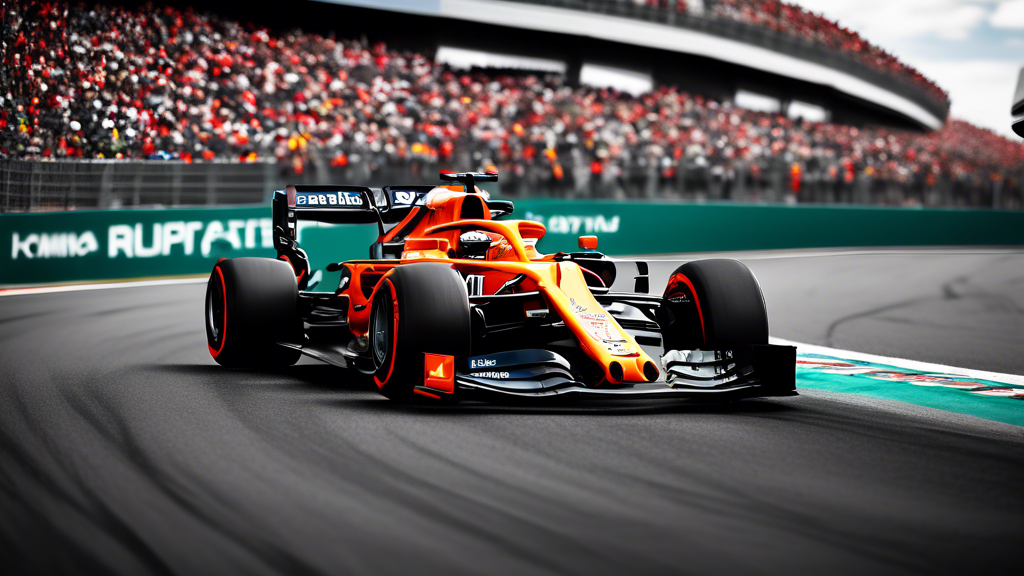
You watch the cars blur past, a symphony of sound and color. The commentators narrate the strategy, the graphics show the gaps, yet something feels distant. You’re witnessing the event, but you’re not feeling it. The true experience—the violent G-forces in a high-speed corner, the split-second glance at a rival’s front wing, the intense focus reflected in a visor—remains locked inside the helmet, inaccessible. This disconnect between the visceral reality of the cockpit and the polished television broadcast has long been the final frontier for fan immersion.
That frontier is now closed. Formula One’s landmark partnership with the Racing Force Group to deploy next-generation helmet camera technology isn’t a simple broadcast upgrade. It is a fundamental re-engineering of the spectator’s nervous system, designed to place you directly into the driver’s seat of the world’s most advanced racing machines.
The Alliance: Where Motorsport Heritage Meets Digital Vision
This revolution is built on a foundation of unmatched expertise. The partnership is not with a generic tech startup, but with the Racing Force Group—the parent company of legendary brands Bell Helmets and Sparco. For decades, they have been the guardians of driver safety and performance. Now, they are the architects of fan perception.
The Strategic Mission: Standardization for Innovation
The core objective is deliberate and powerful: to develop and standardize a next-generation helmet-mounted camera system across the entire grid. This move away from team-specific, often bulky solutions is key. It ensures uniform, broadcast-ready quality from every driver while allowing engineers to focus on perfecting a single, integrated system. The mission is to make the camera not an add-on, but an intrinsic component of the safety cell.
The Technology Blueprint: Invisible, Intelligent, Immersive
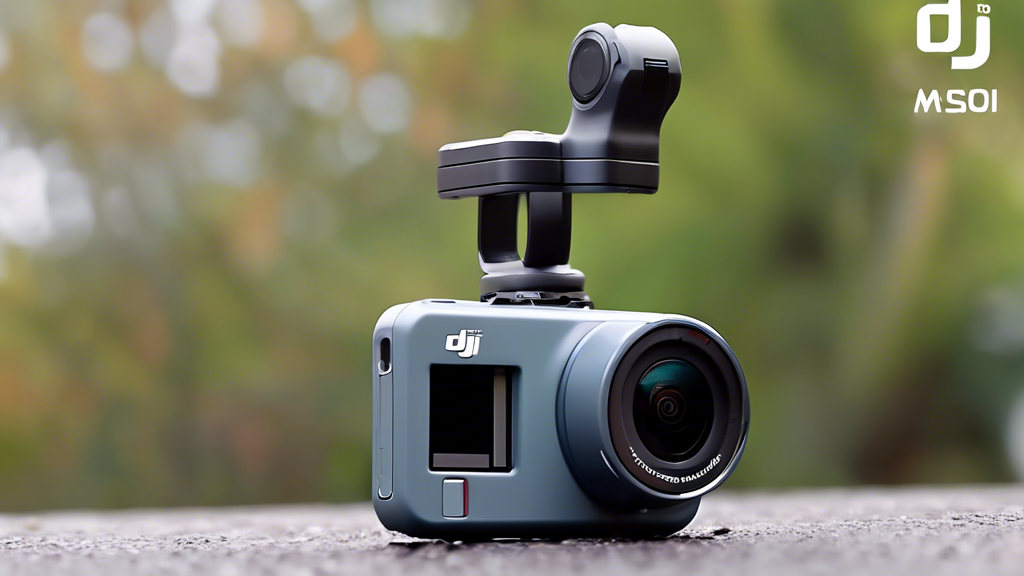
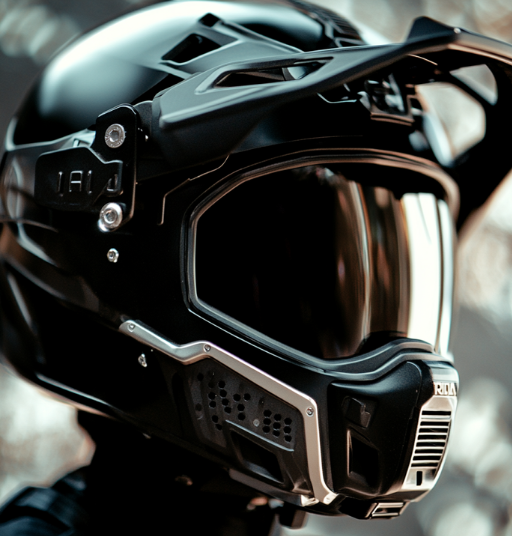
The goal is to render the technology itself invisible. The era of cameras bolted awkwardly to the helmet, creating aerodynamic drag and driver discomfort, is over. The new blueprint calls for miniaturized, ultra-high-definition optical systems seamlessly molded into the helmet’s carbon fiber shell. The technical demands are immense:
- Ultra-Low Latency: The feed must be real-time, with no perceptible delay between track action and your screen.
- Superior Stability: Advanced electronic image stabilization must cancel out the intense vibrations of an F1 car.
- Data Fusion Ready: The system must be capable of overlaying real-time telemetry—G-force, gear selection, throttle input—directly onto the driver’s point of view.
The “Driver’s Eye” Experience: A New Narrative System
This is more than a camera; it’s a dynamic sensory platform. Managing this system to deliver a coherent, thrilling narrative is the central challenge for broadcasters.
Core Variable: Perspective & Sensory Data Fusion
The target is a stable, intuitive, and data-rich point-of-view that tells the story of the race from within. Getting this wrong means disorienting footage that feels like a gimmick, failing to capture critical moments like a defensive move or a track limit glance.
Control is achieved through a multi-layered approach:
- Strategic Placement: Cameras will be integrated at multiple points—within the visor for the true eye-line, on the helmet’s side for cockpit views, perhaps even looking backward to see pursuing cars.
- Intelligent Switching: Broadcast directors will weave these feeds together, cutting to the helmet cam at the moment of maximum drama: the start, a wheel-to-wheel battle, a critical overtake.
- Data Overlay: Imagine seeing a driver’s heart rate spike as they defend a position, or a G-force meter peak as they brake into a corner. This fusion of biometric and machine data completes the immersive picture.
Advanced Broadcast Integration: You Are the Director
The integration will transform every broadcast element. Qualifying laps will be experienced from the driver’s perspective. Highlight reels will be overwhelmingly visceral. The most exciting potential lies in interactive, second-screen applications. In the near future, you could select your favorite driver’s helmet cam as your primary feed, crafting a personalized viewing experience that traditional broadcast angles cannot match.
The Ripple Effect: Benefits Far Beyond the Broadcast Booth
The impact of this technology flows through the entire sport.
| Stakeholder | Transformative Benefits |
|---|---|
| Teams & Drivers |
|
| Marketing & Fan Engagement |
|
| The Sport’s Legacy |
|
Navigating the High-Speed Hurdles: From Concept to Cockpit
Implementing technology at Formula One’s extreme standards is a monumental engineering challenge. The approach must be proactive and uncompromising.
Prevention: The Non-Negotiable Prerequisites
Safety, performance, and comfort are paramount. The system must have zero aerodynamic penalty—teams will not accept added drag. It cannot interfere with the helmet’s structural integrity or a driver’s field of vision. It must be lightweight and comfortable enough for a two-hour race in demanding conditions. These are the foundational constraints that guide all design.
Intervention: Solving the Technical Equation
Even with perfect integration, significant hurdles remain. Engineers must solve for reliable, high-bandwidth data transmission from a moving vehicle at 200+ mph. They must manage power supply and heat dissipation within the confined, hot space of the helmet. The deployment will be a phased campaign of testing, likely beginning in practice sessions to gather data and driver feedback before a full-scale race weekend rollout.
The Transformed Future of Fandom
The core principle is now within reach: true immersion through seamless, intelligent technology. This journey—from standardizing safety equipment to standardizing the spectator’s perspective—will redefine the emotional architecture of the sport.
The finish line is a new era of connection. The partnership between Formula One and the Racing Force Group promises to collapse the distance between the grandstand and the cockpit. It will transform passive viewers into virtual participants, making every braking zone, every steering input, and every moment of triumph or tension a shared, visceral experience. This is more than watching a race. This is the promise of feeling it, breath by breath, heartbeat by heartbeat, from the only seat that truly matters.