A Night of Crisis, A Lesson in Vigilance
Imagine the piercing wail of sirens cutting through a cold night. Flames claw at the windows of a family home, while thick, acrid smoke billows into the sky. Firefighters, silhouetted against the glow, work with urgent precision to rescue those trapped inside. This was the scene in Fresno, a heartbreaking emergency that began not with an act of nature, but with a common household appliance. The investigation pointed to a single, sobering cause: a malfunctioning heater. This tragedy is a stark, painful reminder that the devices we trust to keep us warm can become agents of devastation in an instant. Mastering home heating safety is not a seasonal chore; it is the critical system that stands between comfort and catastrophe.
The Fresno Incident: A Case Study in Danger
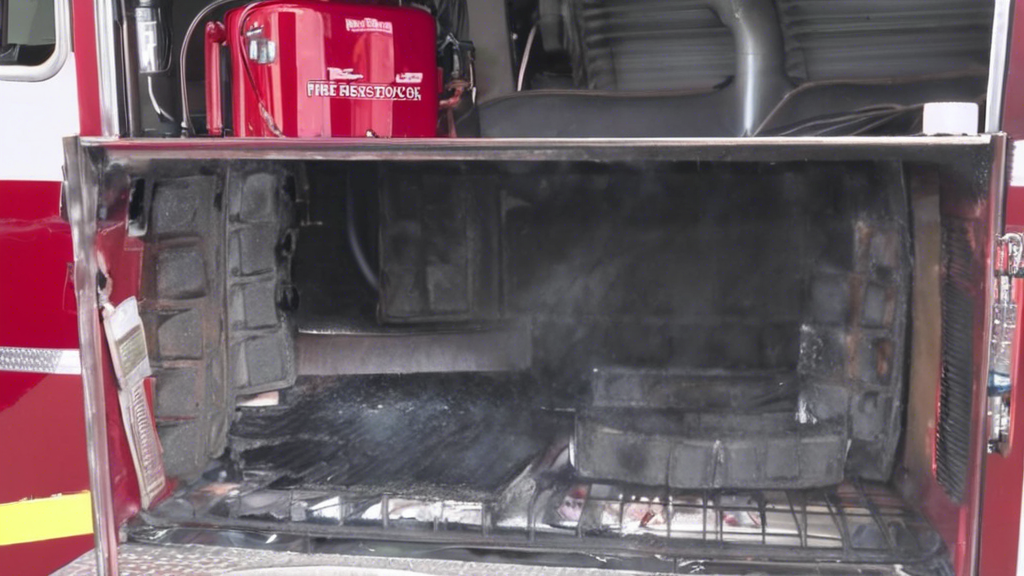
The details of the Fresno fire rescue form a powerful case study. Residents were displaced, injuries were sustained, and the bravery of first responders was the only barrier between a close call and an unthinkable loss. The official determination from fire investigators was clear: the origin was a faulty heating unit. This incident is not an isolated statistic. It echoes national data from the National Fire Protection Association (NFPA), which consistently identifies heating equipment as a leading cause of U.S. home fires and fatalities during winter months. The Fresno event transforms abstract data into a human story, highlighting a danger present in millions of homes.
The Hardware: Understanding Your Heating System
Your heater is a piece of precision hardware. Like any machine, it can fail, and understanding its failure modes is your first line of defense. Different systems have different vulnerabilities.
Types of Heaters & Common Failures
Space Heaters (Portable): These are high-risk due to user placement. Electric models can overheat if coils are damaged or dust-clogged. Combustion models (kerosene, propane) produce deadly carbon monoxide if not vented. The universal danger is proximity to combustibles—curtains, bedding, furniture—and the risk of being knocked over.
Central Furnaces (Forced Air): These fail silently. A cracked heat exchanger can leak carbon monoxide into your ductwork. Faulty igniters or flame sensors cause unsafe gas buildup. Blocked air intake or exhaust vents can lead to carbon monoxide poisoning or system overheating.
Fireplaces & Wood Stoves: Their primary threat is creosote—a highly flammable tar that builds up inside chimneys. A single spark can ignite a chimney fire capable of spreading to the home’s structure. Improper ember containment or a damaged firebox are also significant hazards.
The “Silent” Signs of Malfunction
Your heater often signals distress before it fails catastrophically. Learn this language:
- Odors: A persistent dusty smell when first turning on an electric heater is normal; a burning plastic or electrical smell is not. For gas units, the rotten egg smell of mercaptan (added to gas) means an immediate leak—evacuate and call the utility company.
- Sounds: New or persistent popping, screeching, rumbling, or banging noises indicate mechanical distress.
- Sight: A gas burner flame should be crisp and blue. A lazy, yellow or orange flame signals incomplete combustion and carbon monoxide production. Look for soot buildup on appliances.
- Performance: A heater that cycles on and off too frequently, fails to reach temperature, or causes the pilot light to frequently blow out is calling for help.
The Prevention System: Proactive Safety Controls
Safety is an active system of controls, not luck. You must manage three key variables: placement, maintenance, and operation.
Installation & Placement: The Foundation
This is non-negotiable. For portable heaters, enforce a 3-foot kid-and-pet-free zone on all sides. Always plug them directly into a wall outlet—never a power strip or extension cord, which can overheat. Permanent units like furnaces and wood stoves must be professionally installed according to local codes to ensure proper venting and clearances.
Maintenance & Inspection: The Seasonal Protocol
Create an annual maintenance calendar. Schedule a professional HVAC inspection and cleaning for your furnace every fall. For wood stoves, have a certified chimney sweep clean and inspect the flue annually. Your simple, monthly task is to check and replace dirty furnace filters; a clogged filter restricts airflow and strains the entire system.
Operational Protocols: The Daily Discipline
Habits save lives. Never leave a portable heater unattended or operating while you sleep. Always ensure it has an automatic tip-over shutoff switch. Keep all flammable liquids far from any heat source. Use a fireplace screen to contain sparks, and never overload a fireplace or stove.
Threat Management: When Prevention Fails
Even with the best controls, be prepared to intervene. A layered defense is your ultimate protection.
Early-Stage Intervention
If you suspect a malfunction—from odor, sound, or sight—act immediately. For electric units, turn the heater off and unplug it. For gas or fuel-burning appliances, turn the unit off at its controls if safe to do so, then shut off the fuel supply or gas valve. Ventilate the area and do not restart the appliance until a qualified professional has inspected it.
Defense in Depth: Your Safety Net
This is what protects you when all else fails. Ensure working smoke alarms are installed inside every bedroom, outside sleeping areas, and on every level of the home. Test them monthly. Install carbon monoxide (CO) alarms on every level and near sleeping areas. These are essential for gas, oil, or wood-burning appliances. Finally, practice a home escape plan with two ways out of every room. These devices and this plan are your final, life-saving buffer.
After an Incident
Following any scare or small fire, the appliance must be considered compromised. Do not use it again. Have it inspected by a professional or the fire department to determine if it can be safely repaired or must be replaced.
Your Seasonal Heating Safety Roadmap
| Season/Phase | Primary Tasks | What to Focus On |
|---|---|---|
| Pre-Winter (Fall) | Schedule professional furnace service & chimney cleaning. Test all smoke and CO alarms. Replace furnace filter. Check heater cords for damage. | System Readiness. Ensuring all primary heating systems are professionally vetted and safety devices are operational before the cold hits. |
| Mid-Winter (Ongoing) | Maintain 3-foot clearance for space heaters. Never leave portable heaters unattended. Check vents/exhausts for snow/ice blockage. Change furnace filter monthly if needed. | Vigilant Operation. Daily discipline in using portable heaters safely and monitoring system performance for warning signs. |
| Post-Winter (Spring) | Clean and store portable heaters properly. Have chimney inspected after heavy use. Note any performance issues for next fall’s service. | Post-Season Review. Reflecting on the heating season, addressing wear, and preparing equipment for safe storage. |
From Headlines to Home Security
The heartbreaking Fresno fire rescue is more than a news story; it is a preventable tragedy. It underscores that warmth should not come at the cost of safety. By reframing your heater as a system to be managed—with conscious hardware choices, disciplined preventive controls, and a robust layered defense—you transform anxiety into assurance. Let the Fresno incident be the catalyst that moves you to action. Audit your home today. Test those alarms, clear those spaces, and make that service call. The profound reward is not just a warm home, but a safe one, where the only thing burning brightly is your peace of mind.