The Unfiltered Witness
The world tilts. Sound distorts. In the chaotic, disorienting seconds after an impact, your memory becomes a fragile thing. Adrenaline scatters details; shock paints over reality. You are left with a jumble of sensations and gaps. But a camera does not feel. It only sees.
This is the profound power of the modern helmet camera. It is the ultimate impartial witness, a silent guardian transforming chaotic, life-altering events into reviewable, undeniable truth. It turns “I think” into “I can show you.”
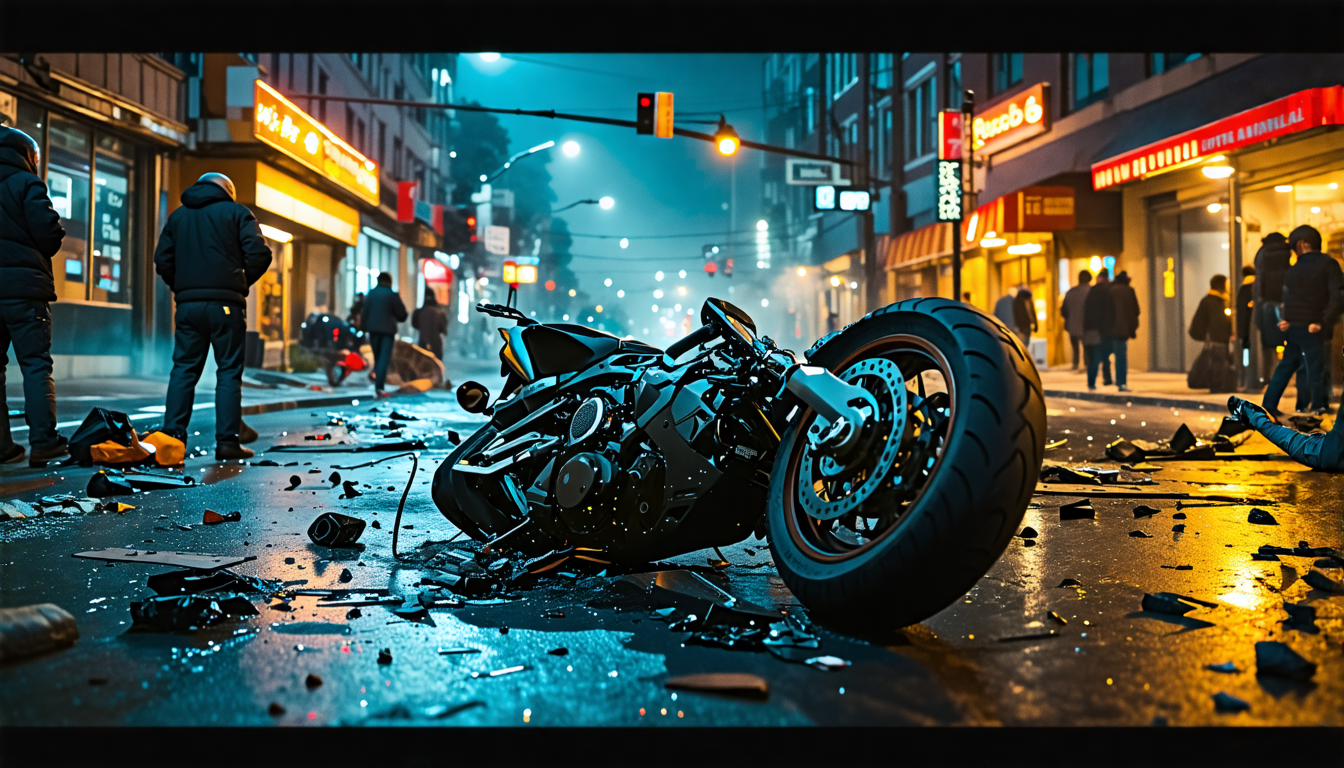
When a helmet camera captures the bizarre aftermath of a motorcycle crash, it does more than record an incident. It provides the objective foundation for legal, safety, and personal clarity. It is the key that turns confusion into actionable truth, protecting you in a world of subjective accounts.
Foundational Choices: The Right Camera for the Ride
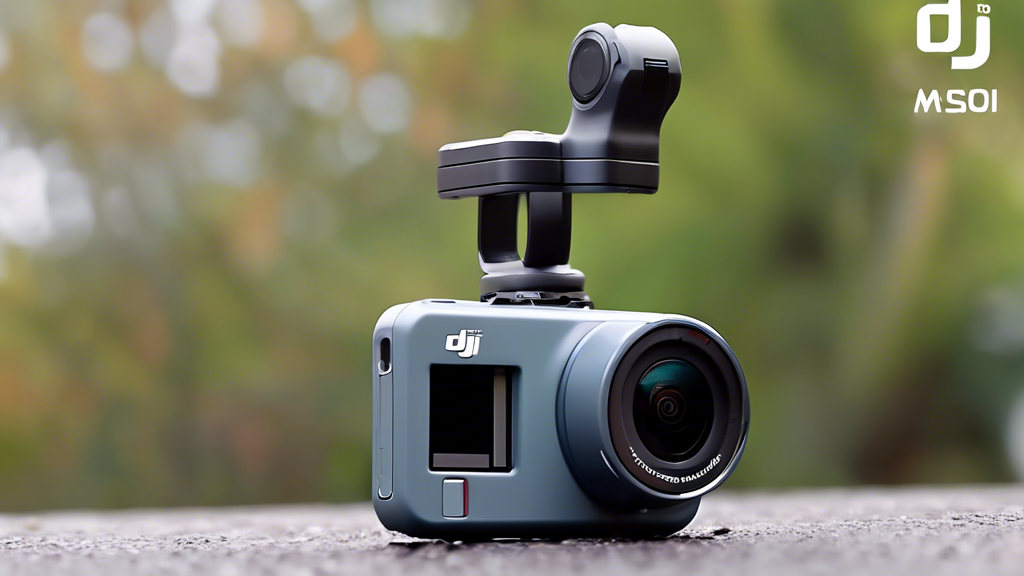
Your helmet camera is your silent co-pilot. Its sole job is to be perfectly reliable when every millisecond counts. Your initial choices form the bedrock of its—and your—credibility.
Part A: Selection and Core Features
Not all cameras are built for the task. Prioritize these three features above all else. Image Stabilization is non-negotiable. It turns shaky, useless vibration into a watchable scene. Choose a wide Field of View to capture peripheral vehicles and signals, but understand it can distort distances. A linear mode reduces this fisheye effect. For Resolution, 1080p at 60 frames per second is the evidence standard, but 4K can capture critical details like license plates from farther away. Durability means an IPX7 or higher waterproof rating, proven shock resistance, and a mount that feels like part of the helmet itself.
Part B: Setup and Positioning
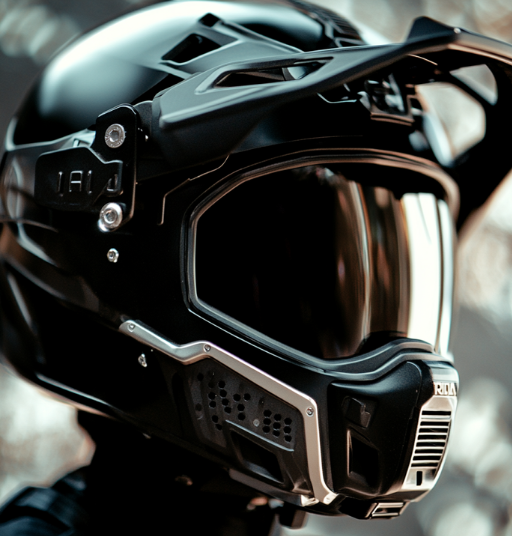
Placement dictates perspective. A chin mount offers the most natural view, closely mimicking where your eyes look. A side-mount can be easier to access but may capture more helmet in the frame. Before every ride, execute your checklist: physically tug the mount, confirm battery is above 50%, format the memory card in-camera to prevent file errors, and wipe the lens with a microfiber cloth. A smudge can blur a crucial detail.
Part C: Component Comparison
| Component | Primary Options | Key Characteristics |
|---|---|---|
| Video Resolution | 1080p, 2.7K, 4K | 1080p/60fps: Ideal balance of detail and file size. 4K: Captures fine details but creates larger files, demanding more storage and battery. |
| Field of View | Wide, Linear, Narrow | Wide: Maximizes scene capture but distorts edges. Linear: Corrects distortion, better for judging speed/distance. Narrow: Zooms in, losing peripheral context. |
| Battery Type | Integrated, Swappable | Integrated: Sleeker design but requires full camera recharge. Swappable: Instant power renewal on long rides; always carry a spare. |
The Core System: Managing Your Digital Evidence
The moment you stop recording, your footage becomes a critical data asset. Its integrity is paramount. You must manage it with a systematic, unemotional protocol.
Control Variable A: The Immediate Post-Event Protocol
Your first actions preserve the evidence. If safe and able, manually stop the recording. This often creates a protected file that won’t loop-record over itself. Then, while the camera is still rolling or immediately after, state the date, time, and location clearly. This audio timestamp is invaluable. The cardinal rule: do not delete any files, even seemingly unimportant ones. The bizarre aftermath—the other driver’s demeanor, witness statements, the positioning of vehicles—is often where the true story unfolds.
Control Variable B: Data Preservation and Storage
Download the footage at your earliest opportunity. Do not rely on the single memory card. Create a primary backup on your computer and a secondary backup in a secure cloud service. Organize files with clear, searchable names: “2023-10-26_MainSt_Incident.” For advanced control, use manufacturer apps that feature automatic upload to the cloud and an “incident lock” triggered by G-sensor impact, safeguarding the crucial clip from deletion.
Advanced Practices: From Footage to Insight
Owning the footage is step one. Mastering its strategic use is where true empowerment lies. This is the art and science of turning video into a shield.
Preparation: The Legal and Insurance Framework
Know the rules of engagement. Research your local laws regarding video evidence and, critically, audio recording consent. Inform your insurance provider you operate with a camera. Understand their specific process for submitting digital evidence—preferred formats, upload portals, or file size limits. Being procedurally prepared speeds resolution.
Analysis: Reviewing the “Bizarre Aftermath”
When you review the crash, watch the five minutes after with forensic patience. I once captured a driver who was calm at first, then suddenly began claiming a pre-existing injury after speaking on the phone. The camera saw it all. Note witness reactions, unsolicited admissions of fault, and the exact sequence of how vehicles and people moved. This footage allows you to reconstruct an accurate timeline for police, contradicting faulty memories or fabricated narratives.
Threat Management: Preventing Failure
Adopt a proactive stance. Your camera system’s reliability is a function of disciplined maintenance.
Prevention: Routine Maintenance
This is your weekly ritual. Check mount tightness. Ensure electrical contacts are clean. Reformat your memory card in the camera every few weeks to prevent file system corruption. Verify battery health by noting if runtimes are shrinking.
Intervention: When Problems Arise
Have a tiered response plan. For a corrupted file, use data recovery software like Disk Drill immediately—do not write new data to the card. If the camera malfunctions, isolate the variable: test with a different card and battery. For physical damage, this is why you have a backup. Your safety system is critical; redundancy is not optional.
The Action Plan: A Rider’s Evidence Calendar
| Phase | Primary Tasks | What to Focus On |
|---|---|---|
| Pre-Ride (Daily) | Secure mount check, lens clean, battery & storage confirm. | Operational readiness. A quick physical tug-test is the best habit you can form. |
| Post-Incident (Immediate) | Safe stop, verbal timestamp, no deletion, secure camera. | Evidence preservation. Your first priority after safety is locking down the digital record. |
| Monthly Maintenance | Full system check, mount inspection, card reformat, firmware update. | System integrity. Prevent failures before they happen through scheduled oversight. |
| Annual Review | Review old footage, assess camera tech, update backup strategy. | Continuous improvement. Archive old evidence and ensure your technology hasn’t been surpassed. |
The Empowered Rider
The core principle is objective empowerment. Your helmet camera is not for capturing scenic rides alone; it is a tool of unparalleled accountability. We have walked the journey from selecting the right hardware with its critical components, through the disciplined system of managing digital evidence, to the advanced practice of transforming footage into decisive insight.
This mastery yields a profound peace of mind. It is the quiet confidence that comes from knowing you have an unfailing witness on every journey. When the unexpected happens—when the world tilts and sound distorts—you are not left with confusion and doubt. You are left with clarity. You are left with protection. When a helmet camera captures the bizarre aftermath of a motorcycle crash, you are left, ultimately, with the truth.