The Vision: Seeing Everything, Missing Nothing
You crest the mountain peak, the vista is breathtaking in every direction. You capture the moment, but your traditional camera frames only a sliver of the experience. Later, watching the clip, you feel the loss—the vastness, the context, the full story is gone. This is the fundamental limitation of framed photography.
360-degree technology shatters that frame. It captures not just a scene, but the entire sphere of reality around you. This isn’t just a new camera angle; it’s a new language for storytelling. Mastering this immersive capture is the key to creating content that transports your audience. The tools for this revolution are pioneered by innovators who treat the camera not as a window, but as a portal.
Foundational Choices: The Core Hardware Ecosystem
Your journey begins with the right tool. Your camera choice is the bedrock of your creative potential, dictating the quality, flexibility, and style of your immersive stories.
Selection and Sizing – Choosing Your Perspective
Your needs define your device. Compact action cams like the GO or X series are for dynamic, on-the-move storytelling. They prioritize stealth and durability. Professional rigs, such as a Pro series, are for cinematic quality, offering larger sensors and advanced controls for commercial work. Modular accessories—like dive cases, bullet-time cords, or additional lenses—extend a single camera’s functionality into multiple creative domains.
Setup and Positioning – The Invisible Camera
The magic of 360 video often lies in making the camera disappear. The famed “selfie stick erase” effect relies on proper mounting: extend the stick to at least three feet, keep it vertical, and let the software work. Optimal positioning means thinking in spheres, not frames. Mount the camera where action happens on all sides, and trust the stabilization to keep the horizon level, even in motion.
Core Technology Comparison
| Component Category | Options | Key Characteristics |
|---|---|---|
| Sensor Size | 1/2-inch, 1-inch, Dual 1-inch | Larger sensors capture more light, providing superior low-light performance and dynamic range. Essential for professional-grade video. |
| Stabilization | FlowState, 360 Horizon Lock | FlowState uses advanced algorithms for gimbal-like smoothness. Horizon Lock keeps your footage level regardless of camera rotation, crucial for action shots. |
| Audio | Built-in Mics, External Mic Adapter, Spatial Audio | Built-in mics offer convenience. An external adapter unlocks professional sound quality. Spatial Audio captures directional sound, matching the 360 visual for true immersion. |
| Software Integration | Insta360 App, Insta360 Studio | The mobile app enables full camera control, quick editing, and social sharing. The desktop Studio software offers powerful, processor-intensive reframing and color grading for final productions. |
The Core System: Capture Management and Workflow
Exceptional 360 content is a product of a managed workflow, not a single shot. You must control the process from capture through to the edit.
In-Camera Control
Your settings must match your scene. For bright, fast action, use a high shutter speed and native ISO. For travel vlogs, auto mode with log color profile offers flexibility. For interviews, manual white lock ensures consistent skin tones. The consequence of poor control is unrecoverable footage: blown-out skies from incorrect exposure, or a visible stitch line cutting through a subject’s face because you didn’t position it correctly.
Post-Production Reframing (The “Magic View”)
This is where 360 footage becomes traditional video. Using Insta360 Studio or the app, you direct the viewer’s attention in post-production. You pan, tilt, and zoom within the spherical footage to create compelling, directed narratives from a single, all-encompassing clip. For quick social content, the mobile app’s AI-powered editing suggests highlight reels. For fine-tuned control, the desktop software is your command center.
Advanced Practices: Creative Optimization
Now, shift from simply capturing spheres to crafting immersive stories. This is the art and science of 360 filmmaking.
Preparation – Scouting for 360
Scout locations with intent. Every direction must offer visual value or clean negative space. Plan your stitch line—the seam where the two lenses meet—to run through neutral areas like the sky or a uniform wall. Be meticulous with lighting; harsh, directional light can cause exposure variances and highlight the stitch. Soft, even light is your ally.
Innovative Shot Design
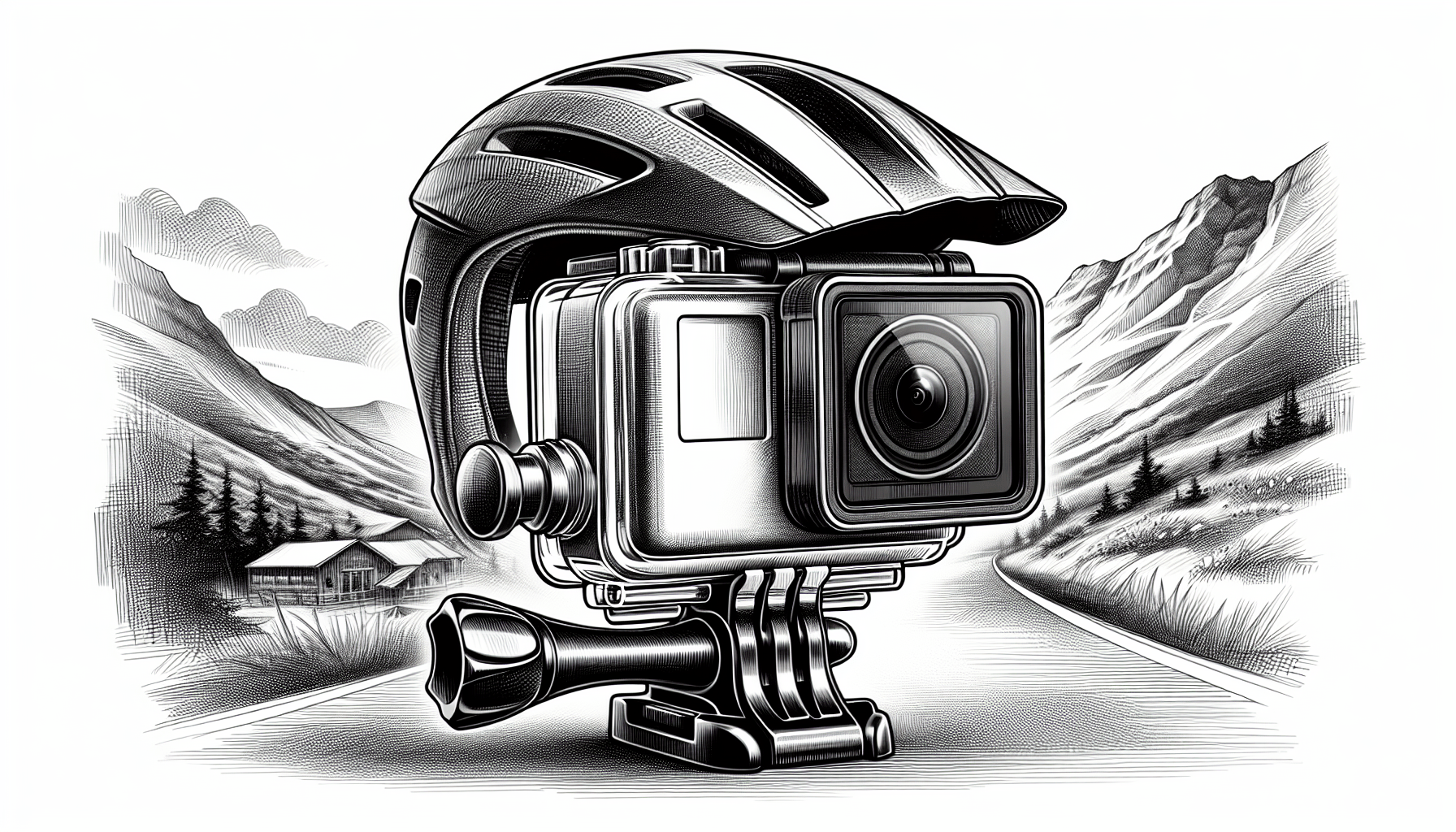
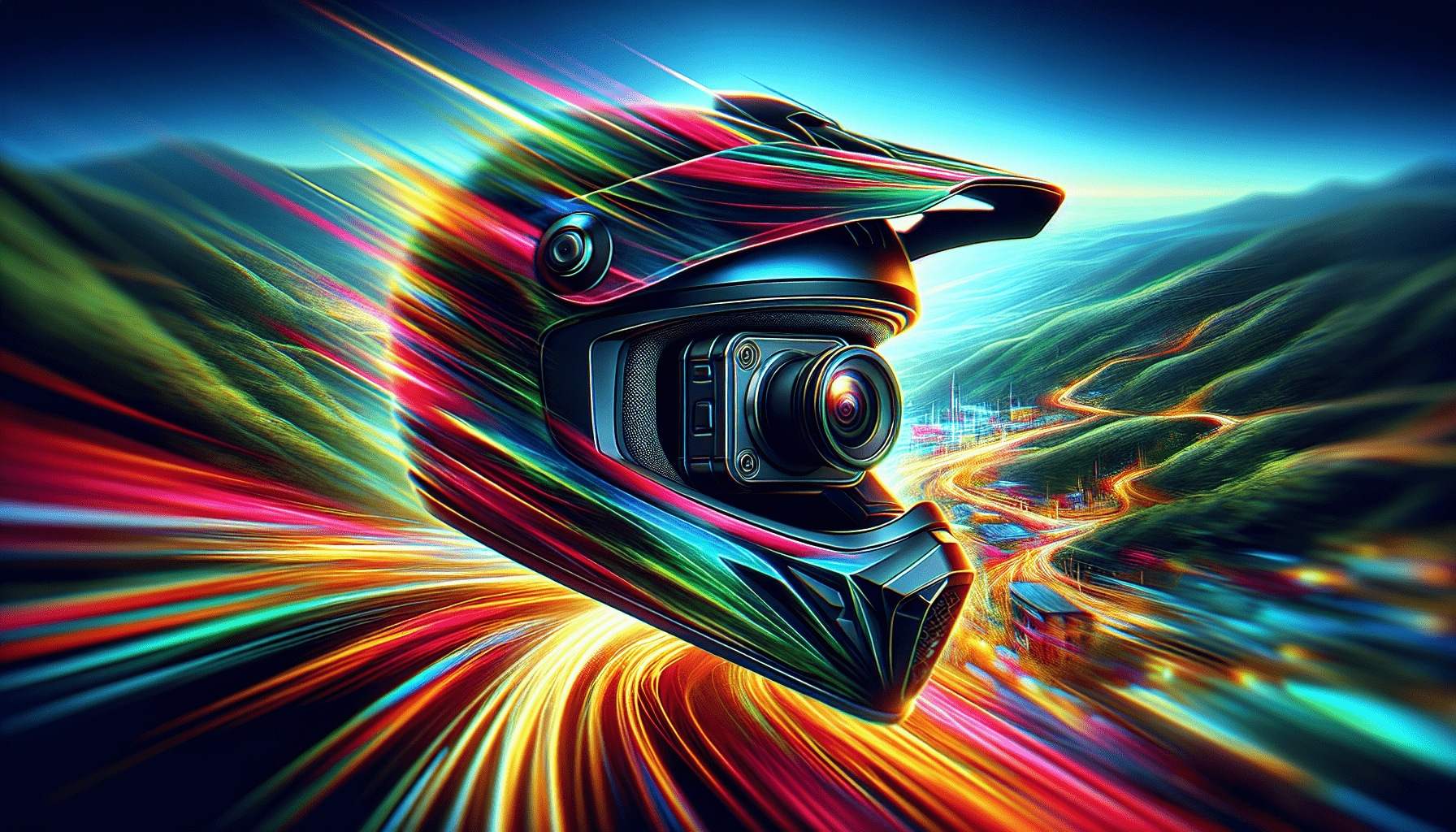
Leverage unique mounts to create impossible perspectives. A helmet mount delivers a true first-person view. A drone mount creates soaring “drone selfies.” A motorcycle handlebar mount places the viewer in the ride. Beyond mounting, master in-camera effects: create “tiny planet” distortions, smooth hyperlapses where you control the path in post, and those signature invisible selfie shots that defy conventional filmmaking logic.
Audio Strategy
Visual immersion is only half the story. Integrate an external lavalier mic for crisp dialogue. Use a wind muffler for outdoor shots. For the ultimate experience, enable spatial audio to record sound that matches the visual perspective—a voice from the left will sound like it’s coming from the left when played back on compatible headphones.
Threat Management: Problem Prevention and Solution
Adopt a proactive mindset. Most filming pitfalls are avoidable with foresight and simple protocols.
Prevention
Always use lens guards; scratching one lens ruins the entire stitch. Clean lenses with a microfiber cloth before every shoot. Perform a quick pre-check: record a test clip, spin slowly, and watch for obvious stitch errors or flicker. Calibrate your sensors periodically if your camera supports it, especially after a significant impact.
Intervention & Troubleshooting
When problems arise, identify and act. Blurry stitches often come from a dirty lens or a subject placed too close to the seam. Move the subject or clean the lens. Poor low-light performance leads to noisy footage. Solve this by adding light, using a camera with a larger sensor, or accepting a stylistic grain. Your tiered response: first, try in-camera corrections or software-based stitch adjustment. If issues persist, consider an accessory upgrade, like a better light or external audio solution.
The Action Plan: A Project-Based Roadmap
| Project Phase | Primary Tasks | What to Focus On |
|---|---|---|
| Pre-Production | Storyboard in 360, scout locations for clean stitches, charge batteries, format memory cards, mount lens guards. | Creative planning and logistical readiness. Visualizing the full sphere of each shot. |
| Active Shooting | Monitor exposure, mind the stitch line, record generous extra footage, capture ambient audio, use multiple mounts. | Capturing clean, stable, and flexible raw footage. Getting it right in-camera. |
| Post-Production | Transfer files, reframe shots in Insta360 Studio, color grade, edit audio, add music and transitions. | Directing the viewer’s attention and polishing the narrative. The “director’s cut” phase. |
| Publishing | Export in correct formats (360 or reframed), upload to supported platforms (YouTube 360, Meta), write engaging descriptions. | Delivering the final experience in a way the audience can properly view and enjoy. |
The Transformation of Perspective
The core principle remains: true immersion comes from relinquishing the frame. You have journeyed from selecting hardware that captures everything to mastering the software that lets you guide the eye within that infinity. This mastery transforms you from a passive recorder to an active spatial storyteller.
The creative freedom is profound. You are no longer constrained by where you point your camera. You capture worlds, not just images. You create experiences that allow others to look around, to discover, and to feel present. This is the unparalleled joy of seeing everything and missing nothing—a testament to engaging with the tools that make this new perspective not just possible, but intuitive and powerfully expressive.