Beyond the Helmet: How Insta360’s EICMA 2024 Reveal Redefines Ride Recording
You lean into the perfect hairpin, the bike singing beneath you, only to later find your camera was fixed on your handlebars, missing the crucial interplay of lean and road. You witness a stunning mountain vista, but the audio is a relentless, useless roar of wind. These aren’t just missed shots; they’re lost chapters of your story. Modern motorcycling is an experience to be captured and relived, yet traditional cameras force a limiting choice of perspective.
The solution is a paradigm shift. At EICMA 2024, Insta360 unveiled advanced motorcycle camera solutions designed not just to record, but to comprehensively document. This ecosystem is the key to mastering the art of the ride story, transforming you from a passive recorder into the director of your two-wheeled epic.
Foundational Choices: The New Hardware Ecosystem
Your choice of capture system is the bedrock of your storytelling. Insta360’s 2024 lineup provides specialized tools for different narrative styles, moving beyond the one-size-fits-all approach.
Selection and Sizing – Choosing Your Narrative Lens
Your riding style dictates your primary camera.
The 360-Degree Storyteller: Cameras like the X4 are for the rider who refuses to miss a moment. Mount it once, and in post-production, you choose between a sweeping follow-cam view, a tight shot of the instrument cluster, or a reactive shot of the scenery you just passed. It captures the entire environment, granting total creative freedom later.
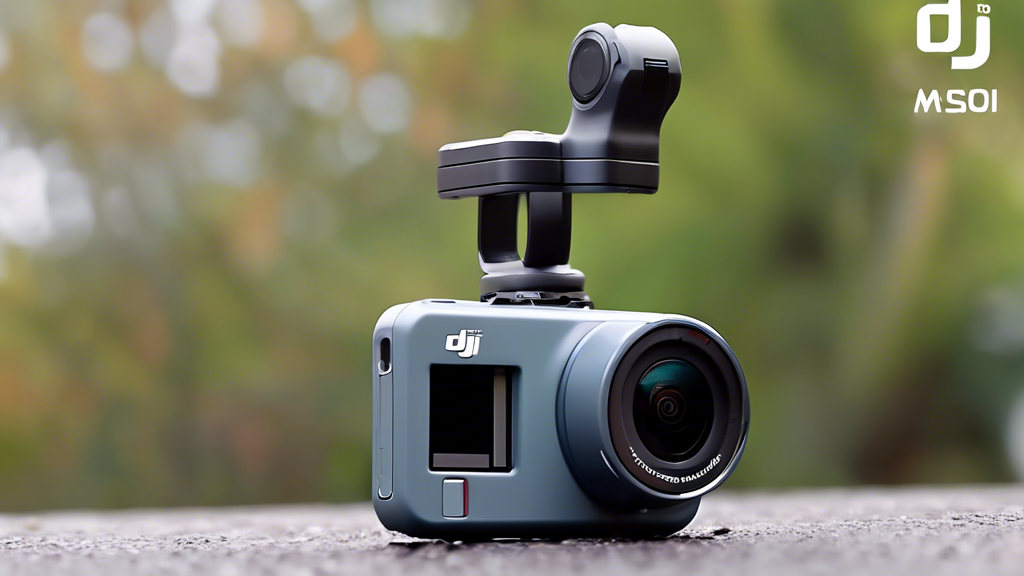
The Action-Centric POV: The Ace Pro, especially in its Motorcycle Kit, is for high-intensity, fixed-perspective recording. Its large sensor excels in low-light tunnels and captures crisp, stabilized footage when you want a traditional, immersive first-person view from your helmet.
The Modular Workhorse: The ONE RS system offers adaptability. Swap between a 360 lens and a 4K Boost Lens on the same core, perfect for the rider who wants both narrative options without buying two complete cameras.
Location and Setup – Strategic Mounting for Optimal Capture
Mounting is half the battle. Each location tells a different part of the story.
Helmet Chin: Offers an immersive, rider’s-eye view that matches head movement. It is ideal for technical riding footage but can be susceptible to wind noise.
Helmet Side: Provides a classic “rider profile” angle, excellent for showing lean angle and helmet checks. Ensure the mount is secure to avoid vibration.
Handlebars/Tank: Gives a dynamic, front-facing view of the road and instruments. Use a vibration-dampening adapter to prevent high-frequency shakes from ruining your footage.
Tail/Swingarm: Creates dramatic, trailing shots of the bike and road. This position is exposed to the most debris; use a lens guard religiously.
Core Components & Tech Breakdown
| Solution | Core Technology | Key Characteristics for Riders |
|---|---|---|
| Ace Pro Motorcycle Kit | 1/1.3″ Sensor, 8K Video | Exceptional low-light performance for dawn rides or tunnels; Leica-designed lens ensures sharpness; Motorcycle Bundle includes quiet frame and adhesive mounts to minimize wind noise. |
| X4 as a Bike Cam | 8K 360 Capture, 72MP Photos | Shoot first, choose your angle later with revolutionary post-production freedom; Built-in GPS for adding data overlays like speed and route; 10-bit color for richer, more editable footage. |
| ONE RS Modular System | Interchangeable Lens Mods | Ultimate flexibility—switch between a 360 lens for adventures and a 4K lens for track days; Cost-effective way to access multiple shooting styles. |
The Core System: Management and Control
A motorcycle camera is a dynamic system. Controlling these three variables transforms raw clips into cinematic sequences.
Perspective & Framing
The Target: To create dynamic, multi-angle edits that look like you had a chase car and a drone, all from a single 360 camera.
The Consequence: Without active reframing, 360 footage remains a flat, spherical curiosity. Static, single-perspective shots fail to engage an audience.
The Tools: This is where Insta360’s software shines. Use Auto Frame to let AI track you and the action automatically. For full control, use Keyframing in Insta360 Studio or the app to smoothly direct the viewer’s eye from a wide establishing shot to a tight detail, crafting a professional narrative flow.
Audio Fidelity
The Target: A balanced audio mix: clear voice comms, the visceral growl of your engine, and the ambient sounds of the environment, all free from destructive wind roar.
The Consequence: Unwatchable footage. Deafening wind noise is the number one killer of motorcycle video audio.
The Tools: Start with hardware: use the Motorcycle Kit’s “quiet frame” or a dedicated foam windslip. For 360 cams, position the camera closer to your body to use it as a windbreak. In post, leverage the new Wind Noise Reduction algorithms in Insta360’s desktop software for a final, clean polish.
Stabilization & Dynamic Range
The Target: Silky-smooth footage on bumpy backroads, with detail preserved in both shadowy forest roads and glaringly bright asphalt.
The Consequence: Jerky, nauseating video or footage where the sky is a white blob and the tunnel is a black hole.
The Tools: FlowState Stabilization (especially in 360 mode) is your invisible gimbal. For high-contrast scenes, enable Active HDR on compatible cameras to balance light and dark areas. Use 4K 120fps slow-motion (Ace Pro) to dramatically highlight critical moments like a perfect apex or a trail obstacle.
Advanced Practices: The Art of the Ride Edit
Capture is only data. Editing is where you build your story.
Preparation: Workflow Foundations
Adopt a ruthless file management system. Create a folder for each ride date. Use the Insta360 app to quickly generate and export highlight clips for social media, but for serious projects, transfer the full original files to a computer. Your first edit should always be a “selects” timeline—a string of your best, unedited moments from the day.
Ongoing Inputs: Editing Techniques
For 360 footage, start your edit in Insta360’s dedicated software to set your keyframes and perspectives, then export those angles as standard video files for fine-cutting in your preferred editor. Master the “invisible selfie stick” effect, where the stick holding the 360 camera is automatically erased, creating magical floating third-person shots. Sync multiple camera angles using a common audio track or a visual cue like a turn signal flash.
Selection and Strategy: Crafting the Narrative
Choose clips that show progression: a wide landscape, then a tight shot of you reacting to it. Select moments that demonstrate skill—a smooth downshift, a controlled brake—not just speed. Sequence for emotional impact: build anticipation with winding road shots, release it with an open straight, and conclude with a satisfying destination shot. Your soundtrack should follow this same arc.
Threat Management: Problem Prevention & Solution
Proactive habits prevent heartbreak.
Prevention: The Pre-Ride Checklist
This five-minute ritual saves hours of grief. 1) Lens Inspection: Clean with a microfiber cloth; a smudge ruins every shot. 2) SD Card: Format it in-camera to ensure compatibility and free space. 3) Power: Confirm all batteries are at 100%. 4) Mount Integrity: Tug on the camera; check adhesive mounts for lifting. 5) Test Record: Do a 30-second recording and review playback for issues.
Intervention: Troubleshooting Common Issues
Adopt a diagnostic mindset:
Issue: Footage is shaky.
Response: Tier 1: Ensure mount is tight and on a solid surface. Tier 2: Verify FlowState Stabilization is enabled in camera settings. Tier 3: Apply a vibration-dampening base.
Issue: File corruption or camera freeze.
Response: Tier 1: Power cycle the camera. Tier 2: Try a different, high-speed V30-rated SD card. Tier 3: Connect to Insta360 app for a firmware check/reinstall.
The Action Plan: A Rider’s Seasonal Camera Guide
| Season/Phase | Primary Tasks | What to Focus On |
|---|---|---|
| Summer / Touring | Charge multiple batteries. Clean lenses at every fuel stop. Use highest bitrate (e.g., 8K/5.7K) for key scenic rides. Pack lens guards for gravel roads. | Long, sweeping scenic shots. Time-lapses of changing landscapes. Capturing the full story of multi-day journeys. |
| Fall / Canyon Riding | Utilize Active HDR for mixed light under trees. Leverage 120fps slow-mo for dramatic cornering shots. Secure mounts for aggressive riding. | Dynamic, action-oriented editing. Showing technical skill and bike control. The interplay of light, shadow, and motion. |
| Winter / Cold & Storage | Fully charge, then remove batteries from cameras. Store equipment in a sealed, dry container with desiccant. Archive and organize year’s footage. | Editing your best clips into a year-end highlight reel. Planning camera angles and stories for the next season. |
The principle is now clear: total environmental capture leads to total creative freedom. Your journey evolves from selecting a camera to strategically mounting it, managing its digital variables, and finally crafting a compelling narrative in the edit bay. The tools unveiled by Insta360 at EICMA 2024 empower this entire process. They transform you from a passenger in your own story to its author. The reward is no longer just a ride logged, but an adventure perfected—an unparalleled archive where every road, every corner, and every vista is captured not just as it happened, but as you felt it. Your two-wheeled masterpiece awaits its director.