The Vision of Unbreakable Evidence
Your heart pounds. A car drifts into your lane, a sudden stop from the vehicle ahead. In the adrenaline-fueled moments after a near miss, details blur. Was it their fault? Yours? The conversation that follows is often a tense, “he-said, she-said” exchange where memory is fragile and bias is real. For anyone on two wheels—or even in a car—this uncertainty is the true danger that lingers long after the tires have stopped squealing.
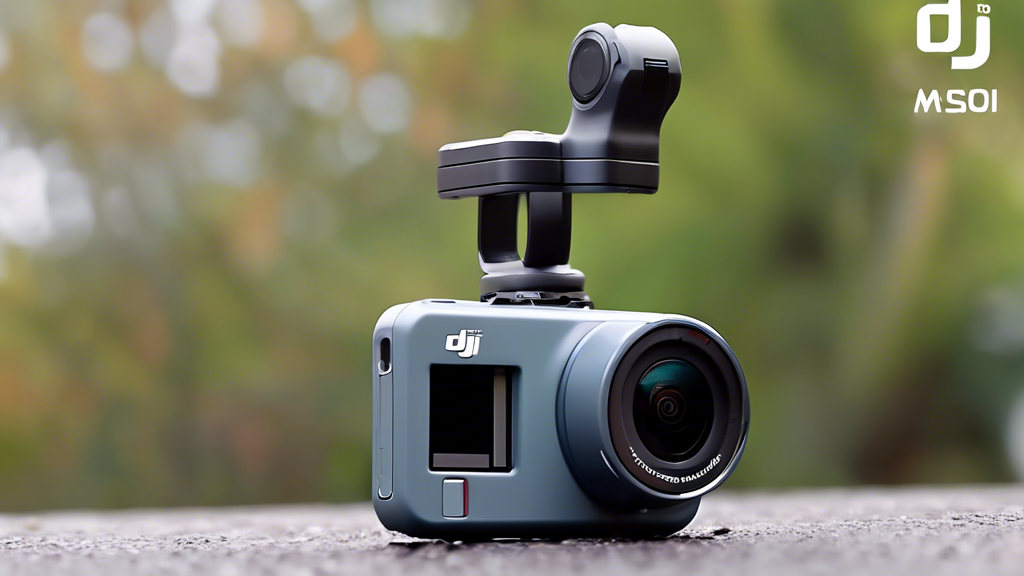
Modern road safety transcends defensive driving; it demands definitive documentation. It requires an impartial witness that sees what you see, remembers every detail, and speaks with crystal-clear video. This is the new standard for accountability. Mastering your presence on the road means mastering your evidence. The Techalogic DC-1 Helmet Camera, built on a pioneering dual-lens architecture, is the foundational tool for this mastery. It transforms your helmet from passive protection into an active command center for security, giving you control over the most critical narrative of all: your own.
Foundational Choices: The Hardware of Your Digital Witness
Your camera is the cornerstone of your safety system. Its capabilities determine the clarity, scope, and legal weight of your evidence. Choosing and setting it up correctly is not an accessory step; it is the first and most critical action in building your digital defense.
The Dual-Lens Paradigm: Your 360-Degree Narrative
A single-lens camera tells only half the story. It captures the threat in front of you but misses the tailgater behind or the passenger-side hazard. The DC-1’s dual-lens system changes the game entirely. It records high-definition video from both a front and a rear (or interior-facing) camera simultaneously. This creates a continuous, 360-degree situational log. In a collision, you have proof of the car that hit you from behind while also showing your position and signaling. It provides context that a single perspective can never offer, making your evidence irrefutable.
Mounting and Integration: The Tactical Setup
Position is everything. The goal is a clear, stable field of view with minimal aerodynamic drag and zero risk of detachment.
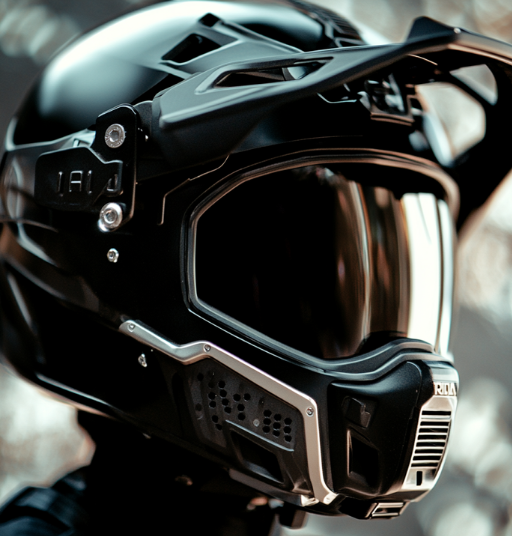
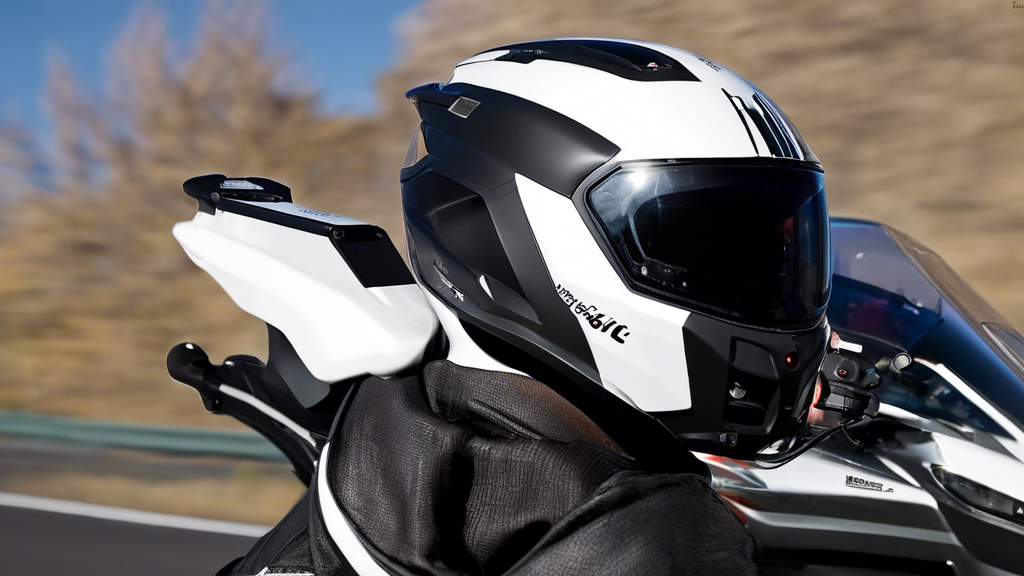
- Front Camera: Mount centrally on the chin bar or side of a full-face helmet for the most natural riding perspective. On an open-face helmet, the top center is a secure alternative. Ensure no part of your helmet or visor intrudes into the frame.
- Rear Camera: Mount on the opposite side or rear of the helmet to maximize the rearward view. Route the slim connecting cable securely along the helmet’s contours, using adhesive clips to prevent snagging.
- Stability Check: Before every ride, grip the camera and apply gentle pressure. It should not wiggle. Vibration is the enemy of clear footage; a rock-solid mount is non-negotiable.
Core Specifications: Breaking Down the Components
Understanding the key specifications allows you to operate the system to its full potential. Here is what defines the DC-1’s capability:
| Component Category | Options / Key Specs | Key Characteristics |
|---|---|---|
| Lenses & Sensor | Dual Lenses, Wide Dynamic Range (WDR) | Captures clear detail in both shadows and bright skies. Essential for reading license plates against headlights or a bright sky. |
| Resolution & Frame Rate | 1080p or 4K options, 30/60fps | Higher resolution (4K) captures finer details like distant plates. Higher frame rates (60fps) provide smoother slow-motion playback for analyzing rapid events. |
| Battery & Power | Rechargeable battery, hardwiring option | For all-day security, a hardwired kit to your vehicle’s electrical system is the professional’s choice, ensuring the camera never powers down during your ride. |
| Storage & Looping | MicroSD Card (High Endurance), Loop Recording | Loop recording automatically overwrites old, non-essential footage when the card is full, ensuring you always have recent video without manual deletion. |
| Critical Features | G-Sensor, GPS, Wi-Fi | The G-sensor detects impacts and automatically locks incident footage to prevent overwriting. GPS logs your speed and route. Wi-Fi enables quick preview and download to your smartphone. |
The Core System: Management and Control of Your Footage
A helmet camera is not a set-and-forget device. It is a dynamic recording system that you must actively manage. Proper control ensures that when you need it, your critical evidence is preserved, organized, and crystal clear.
Capture Control: Mastering Light and Exposure
The ideal setting depends on your environment. Most modern cameras like the DC-1 handle this automatically, but knowing the limits is key.
- Sunny Days: Ensure WDR is enabled. This prevents the sky from being blown out white while keeping the road and vehicles properly exposed.
- Low-Light & Night: This is the ultimate test. A camera with a good low-light sensor will still capture usable footage, but license plate readability drops significantly. Consequence of Poor Control: Dark, grainy video where crucial details like faces and plates are lost.
Actionable Method: Test your camera at dusk. Review the footage. Can you read plates of parked cars? If not, consider a camera with stronger low-light performance or add auxiliary lighting to your vehicle.
Data Integrity & Storage: The Climate Control for Evidence
This is the most critical administrative function. Your system must automatically protect important files and manage storage.
- Loop Recording + G-Sensor: This is the heart of the system. The camera continuously records in short clips (e.g., 3 or 5 minutes). During normal riding, old clips are erased for new ones. Upon a detected impact (G-sensor trigger), the current clip and the one before it are locked in a protected folder, safe from deletion.
- Method: Use only High Endurance microSD cards, designed for constant write cycles. Establish a weekly routine to download any locked files and clear the card.
Power Management: The Uninterrupted Feed
A dead camera is a blind witness. Know your operational limits.
- Benchmark: A standard battery may last 2-3 hours. For a commute, this is fine. For a full day’s ride, it is insufficient.
- Advanced Solution: Hardwire the camera to your vehicle’s fuse box via an add-a-circuit kit. The camera turns on and off with the ignition, drawing power directly from the battery without risk of drain. This is the definitive solution for guaranteed, uninterrupted recording.
Advanced Practices: The Protocol of a Prepared Rider
With the hardware mastered, the practice evolves from passive recording to active, strategic documentation. This is the art of using your tool to its maximum potential.
Pre-Ride Preparation: The Essential Checklist
This 60-second ritual ensures readiness. Visually inspect and confirm:
1. Lenses are clean (use a microfiber cloth).
2. Memory card has free space.
3. Battery is charged or power cable is secure.
4. Mounts are solid; no wiggle.
5. Camera powers on and begins recording automatically.
The Riding Protocol: Active Documentation
Engage with the system as you ride.
- Verbal Commentary: Use the microphone. Say the license plate of an aggressive driver aloud: “Blue sedan, California plate ABC-123, is tailgating.” Narrate street names and conditions. This audio track is powerful, timestamped evidence that clarifies the video.
- Manual Incident Tag: Don’t wait for the G-sensor. See a near-miss or a hazard? Press the manual lock button. This proactively protects the current video clip, marking it for review later.
Post-Ride Routine: Securing the Harvest
Your duty of care extends after you park.
- Immediate Backup: Download any locked or tagged footage to your computer or cloud storage immediately. Evidence is only as good as its backup.
- Organize: Create folders by date and route (e.g., “2023-10-26_Commute_Highway101”).
- Edit for Clarity: Use simple software to trim long clips to the relevant 30-60 seconds before and after an incident. This is the clip you provide to authorities or insurance.
Threat Management: Your Proactive Response Plan
The presence of a camera is a deterrent, but its real power is in structured, calm response. Have a plan before you need one.
Prevention: The Psychology of Visibility
A visibly mounted camera changes behavior—yours and theirs. You ride more consciously, knowing you’re recording. Other motorists, noticing the lens, often drive more courteously. Furthermore, use your footage proactively: report recurring potholes or dangerous intersections to your city’s public works department with video evidence.
Intervention: The Tiered Response
- Tier 1 (Minor Incident/Close Call): Secure the footage with a manual tag. Do not engage or gesture at the other driver. Continue riding safely. Report the aggressive driver later to local non-emergency lines if warranted, offering to provide video.
- Tier 2 (Accident or Physical Confrontation): State calmly, “I have the entire incident on camera from two angles.” Do not argue details. Provide your name and insurance information. Tell the responding officer you have immediate digital evidence to provide.
- Tier 3 (Legal & Insurance Proceedings): Present the unedited, original file. The embedded GPS data validates your speed and location. The timestamp provides an immutable timeline. This is your primary exhibit. Your word is now supported by an objective, technological witness.
The Rider’s Safety Calendar: A Cyclical Action Plan
Integrate these tasks into your riding rhythm to maintain a state of constant readiness.
| Phase | Primary Tasks | What to Focus On |
|---|---|---|
| Daily | Power check. Quick lens wipe. Verbal audio test. | Operational readiness the moment you start your engine. |
| Weekly | Download all footage. Format memory card in-camera. Inspect mount security. | Data management and physical integrity. Preventing card errors. |
| Monthly | Test G-sensor function. Check for firmware updates. Review a sample of footage for quality. | System functionality and performance optimization. |
| Seasonally | Deep-clean all ports and connectors. Re-evaluate camera settings for changing light conditions (longer nights). Consider hardwiring if not already done. | Long-term reliability and adapting to environmental shifts. |
Riding with Unbreakable Confidence
The journey from mounting a simple camera to mastering a complete safety protocol is a transformation in control. It begins with the foundational choice of a tool like the Techalogic DC-1 Helmet Camera—a system designed to capture the full context of your ride. It advances through the disciplined management of data and power, and it culminates in the practiced protocol of a rider who documents proactively and responds with calm assurance.
This mastery does more than protect you in court; it changes your experience on the road. The anxiety of the “he-said, she-said” fades, replaced by the quiet confidence of having an objective witness. You ride not with paranoia, but with empowered awareness. The road is a shared space, subject to the errors and impulses of others. But your evidence—your clear, dual-lens, time-stamped narrative—is yours alone. It is the ultimate tool for accountability, the revolution in personal road safety that turns your helmet into a guardian, and every ride into a documented journey you control.