The Vision: See Your World, Share Your Story
You lean into the final turn, tires gripping the damp trail. You catch air off a granite ledge, the world a blur of green and sky. Later, you try to describe it. The words feel flat. The memory, already fading. This is the pain point of every adventurer: experiences too vivid to be confined to memory, yet lost without a witness.
A helmet camera solves this. It is your personal documentary crew, capturing the world from the most authentic perspective possible—your own. But a random purchase leads to shaky, blurry, or cut-short footage. It becomes a source of frustration, not freedom.
Mastering your choice is the key. The right helmet camera transforms you from a participant into a creator. It is the foundational tool for turning adrenaline into art and personal moments into shared stories. This is your guide to that transformation.
Foundational Choices: The Core Hardware
Your camera is the engine of your visual story. The model you select dictates the quality of your footage, its resilience, and how seamlessly it integrates into your adventure. This choice is not about the “best” camera overall, but the best camera for your specific world.
Part A: Selection & Sizing: Defining Your Adventure Profile
Your discipline dictates the tool. A bulky camera perfect for motocross will be overkill for a long-distance cyclist.
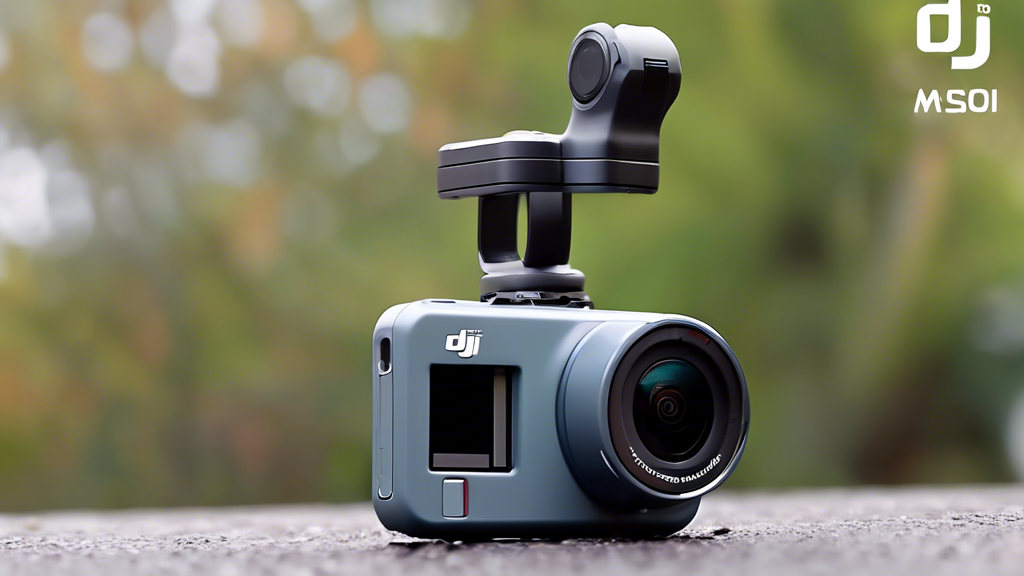
Action Sports (MTB, Motocross, Skiing): Prioritize ruggedness, supreme stabilization, and high frame rates for slow-motion. A compact, bullet-shaped form factor with a robust mounting system is non-negotiable.
Endurance & Exploration (Cycling, Trekking, Touring): Balance weight and battery life. You need a camera that can last for hours. Swappable batteries and efficient power management are more critical than extreme slow-mo.
Casual & Versatile (Urban Riding, Hiking, Family Adventures): Focus on simplicity, user-friendly interfaces, and value. A cube-style camera with a simple touchscreen often strikes the right balance.
Part B: Mounting & Integration: The Foundation of Stability
A $500 camera on a weak mount yields $5 footage. Your mounting strategy is as important as the sensor.
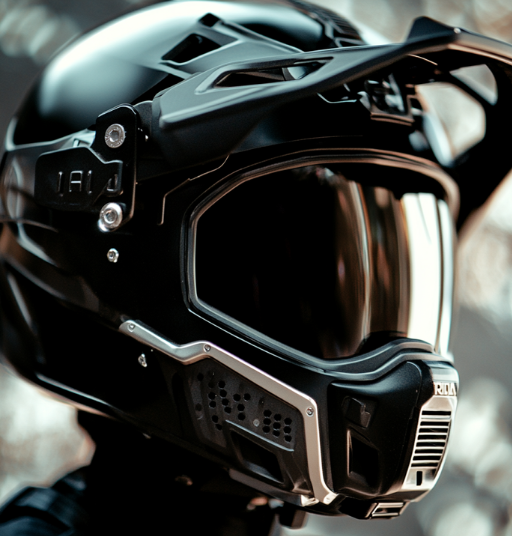
For full-face helmets, the chin mount offers the most natural, dynamic perspective, mimicking your actual field of view. On a bike or ski helmet, a side or top mount works, but ensure it’s offset to avoid catching the rim in the shot. The universal rule: use the adhesive mounts on clean, flat, and grease-free surfaces. For intense vibration, a nylon strap mount as a backup is a wise investment.
Part C: Core Specifications & Components
These technical specs are the levers of control for your final image. Understand them to make an informed choice.
| Component Category | Options | Key Characteristics |
|---|---|---|
| Sensor & Resolution | 4K, 2.7K, 1080p; Standard vs. Large Sensor | 4K delivers stunning detail for professional edits but consumes storage and power rapidly. A larger sensor captures more light, providing better performance in low-light conditions like forest trails or dusk rides. |
| Stabilization | EIS (Electronic), HyperSmooth, RockSteady, Gyro-based | This is non-negotiable for smooth footage. Modern EIS is miraculous, using software to crop the frame and counteract shake. The best systems make bumpy singletrack look like a dolly shot. Always prioritize this feature. |
| Durability & Sealing | IP Ratings (IPX7, IPX8), Protective Housing | IPX8 rating means submersion-proof—ideal for kayaking or foul weather. For extreme sports where direct impacts are possible (e.g., mountain biking), a separate protective housing is essential armor, even if it adds slight bulk. |
| Field of View (FOV) | Wide, Linear, Narrow | Wide captures the full scene but can distort edges. Linear mode corrects this fisheye effect, offering a more natural look. Choose based on your need for immersive feel versus a realistic perspective. |
The Core System: Managing Your Capture Engine
A helmet camera is a dynamic system of inputs and outputs. Mastery means managing its vital signs: power, data, and sensory input.
Power Management: The Lifeline of Your Story
The Ideal Target: Your camera must outlast your longest planned activity, with a safety margin.
Consequences of Failure: The camera dies as you approach the summit or the perfect wave. The story ends prematurely.
Control Methods: Invest in swappable battery packs and a dual charger. For epic all-day adventures, a compact USB power bank connected via a weather-sealed port can provide endless juice. My rule: carry one more battery than you think you’ll need.
Data & Storage Logistics: Preserving the Evidence
The Ideal Target: You should never see a “Storage Full” warning during an activity.
Consequences of Failure: Corrupted files, missed moments, or the frantic mid-ride deletion of precious clips.
Control Methods: Use only high-endurance, high-speed microSD cards (V30 rating or higher). Calculate your needs: 4K/60fps can consume 40GB per hour. Format the card in the camera before every major outing to prevent file errors. Offload footage immediately after your adventure.
Audio & Environmental Control
The Ideal Target: Clear voice and ambient sound, free from destructive wind roar; a visual field that immerses without disorienting.
Consequences of Failure: Footage with an unusable, howling soundtrack; a distorted view that makes viewers dizzy.
Control Methods: A simple stick-on windscreen (windslip) dramatically improves audio. For serious vlogging, an external mic adapter is transformative. Experiment with FOV settings before you go: Linear for a realistic ride-along feel, Wide for capturing the full expanse of a landscape.
Advanced Practices: The Art of the Capture
With the hardware mastered, the artistry begins. This is where you move from recording to filmmaking.
Preparation: Dialing In Your Digital Film Stock
Do not just use “Auto.” For editing flexibility, use a flat or neutral color profile and a high bitrate. This preserves detail in shadows and highlights. Your pre-adventure checklist is sacred: fully charge, format card, clean the lens with a microfiber cloth, and perform a 30-second test recording to verify angle and audio.
Ongoing Inputs: Framing and In-the-Moment Storytelling
A chin-mounted camera provides the most engaging POV, but don’t be afraid to mix it up. Use a chest mount for a more stable, torso-level view, or a handlebar mount for a unique “machine’s perspective.” Use voice commands (“GoPro, start recording”) or the quick capture button to seamlessly begin filming without fumbling. Get in the habit of tagging highlights with a quick voice command like “That was awesome!” to find them easily later.
Selection & Strategy: Building Your Accessory Ecosystem
The right accessories multiply your creative options. A pivoting extension arm allows for unique selfie or third-person angles. A wearable clip can turn any friend into a second camera operator. Start with extra mounts and a versatile grip; let your filming style dictate your next purchase.
Threat Management: Preserving Your Gear
Adventure environments are hostile to electronics. A proactive mindset is your best defense.
Prevention: The Ritual of Maintenance
After every outing, inspect your camera. Check the seals for dirt, gently clean the lens and microphone ports, and ensure mount adhesives are intact. Store everything in a cool, dry place. When trying a new, risky mounting position, test it on a short, low-stakes ride first.
Intervention: Solving Field Problems
Fogging: Caused by temperature/humidity shifts. Solution: Use anti-fog inserts inside the battery compartment or ensure the camera is at ambient temperature before sealing it in a housing.
Overheating: Occurs in direct sun during high-resolution recording. Solution: Use a protective housing as a heat sink, record in shorter bursts, or shade the camera when stationary.
Cold Weather Freeze: Batteries die rapidly. Solution: Keep spare batteries in an inner pocket close to your body for warmth, and swap them just before starting to film.
Your Helmet Camera Mission Control
| Phase | Primary Tasks | What to Focus On |
|---|---|---|
| Pre-Adventure | Charge all batteries. Format memory card in-camera. Clean lens. Securely fasten camera and conduct a 60-second angle test. | System integrity. Ensuring every component is operational and secure. |
| During Adventure | Use quick capture/voice commands. Tag highlights verbally. Monitor battery life at natural stops. | Seamless immersion. Capturing the experience without becoming distracted by the technology. |
| Post-Adventure | Offload and back up footage immediately. Recharge batteries. Inspect camera and mounts for wear or damage. | Archiving the story and resetting your kit. This discipline guarantees you’re always ready for the next call to adventure. |
From Viewer to Creator: The Transformation Awaits
The journey we’ve outlined—from selecting durable, purpose-built hardware to mastering the in-the-moment disciplines of capture—culminates in a profound shift. You are no longer just a person having an experience. You are a creator, armed with the tool to share the very essence of that experience.
The right camera, managed with knowledge and care, becomes an extension of your perception. It fades into the background of your adventure, yet faithfully preserves its foreground. The ultimate reward is not just the footage on a drive, but the ability to craft an edit that makes others feel the crunch of your gravel, the sting of the cold spray, and the quiet triumph of a summit reached.
This is the unparalleled joy of the craft. It transforms memory into legacy and enriches every journey you take. Now, go capture your world.