The Vision: See Your Ride, Share Your Story
You crest the singletrack peak, the world sprawling below. You lean into the perfect corner, feeling the machine and road become one. These moments define the ride, yet memory is a fragile recorder. A helmet camera transforms that raw, first-person perspective into a tangible legacy. It turns your experience into a story you can share, analyze, and relive. But a generic choice leads to frustration: a shaky, distorted mess that fails to capture the feeling, or a bulky setup that ruins your flow. Understanding the distinct ecosystem of types of helmet cameras is the foundational key. This knowledge lets you select the tool that becomes a seamless, powerful extension of your vision.
Foundational Choices: Selecting Your Helmet Camera Type
Your first and most critical decision is mounting style. This choice defines your camera’s profile, versatility, and ultimate use. It is the hardware foundation upon which all other techniques are built. We break down the three primary architectures in the helmet camera world.
Part A: The Classic Action Cam (External Mount)
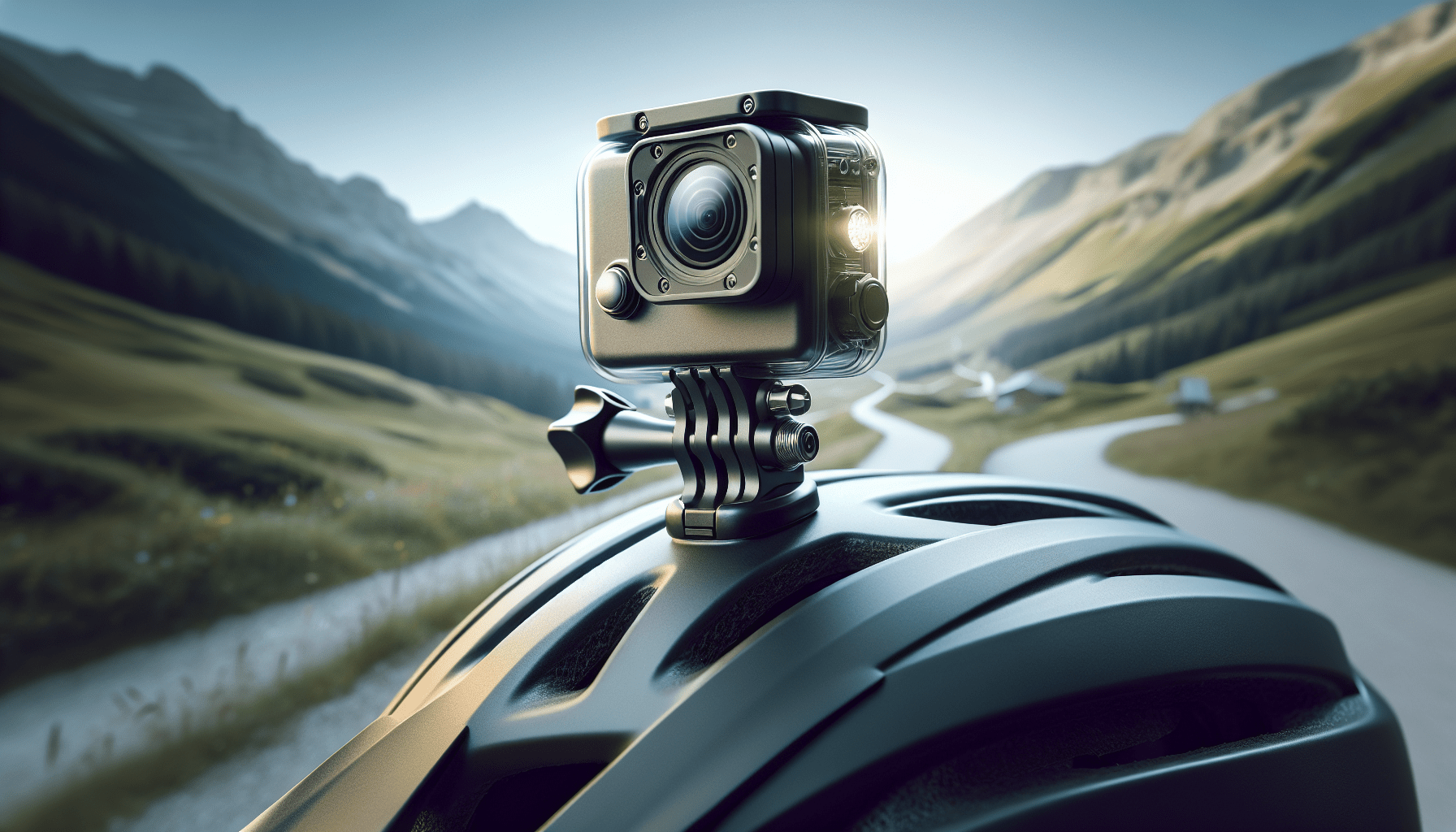
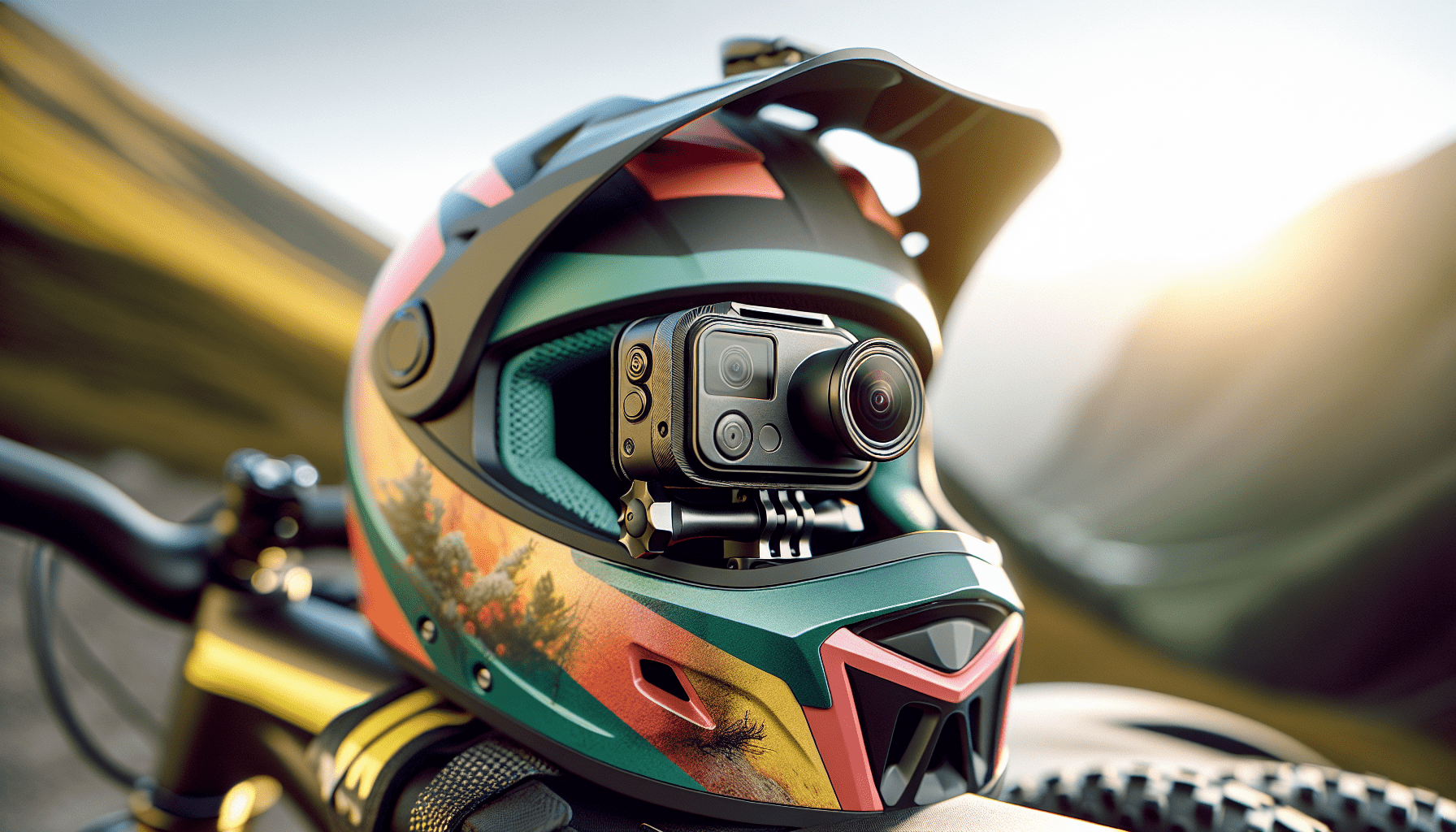
This is the versatile, modular powerhouse. Think GoPro or Insta360. You attach it to your helmet via adhesive, clamp, or strap mounts.
Ideal For: The multi-sport adventurer. If you cycle, ski, kayak, and ride moto, one camera body can serve all with different mounts. It’s for the rider who demands the absolute highest video quality and creative control.
Key Characteristics: Delivers the highest resolution (4K, 5.3K, even 8K). It’s a modular system: you add waterproof housings, extra batteries, and specialized mounts. It offers the widest field of view and advanced stabilization. The trade-off is a separate mounting process and a more pronounced profile on your helmet.
Part B: The Integrated Camera Helmet
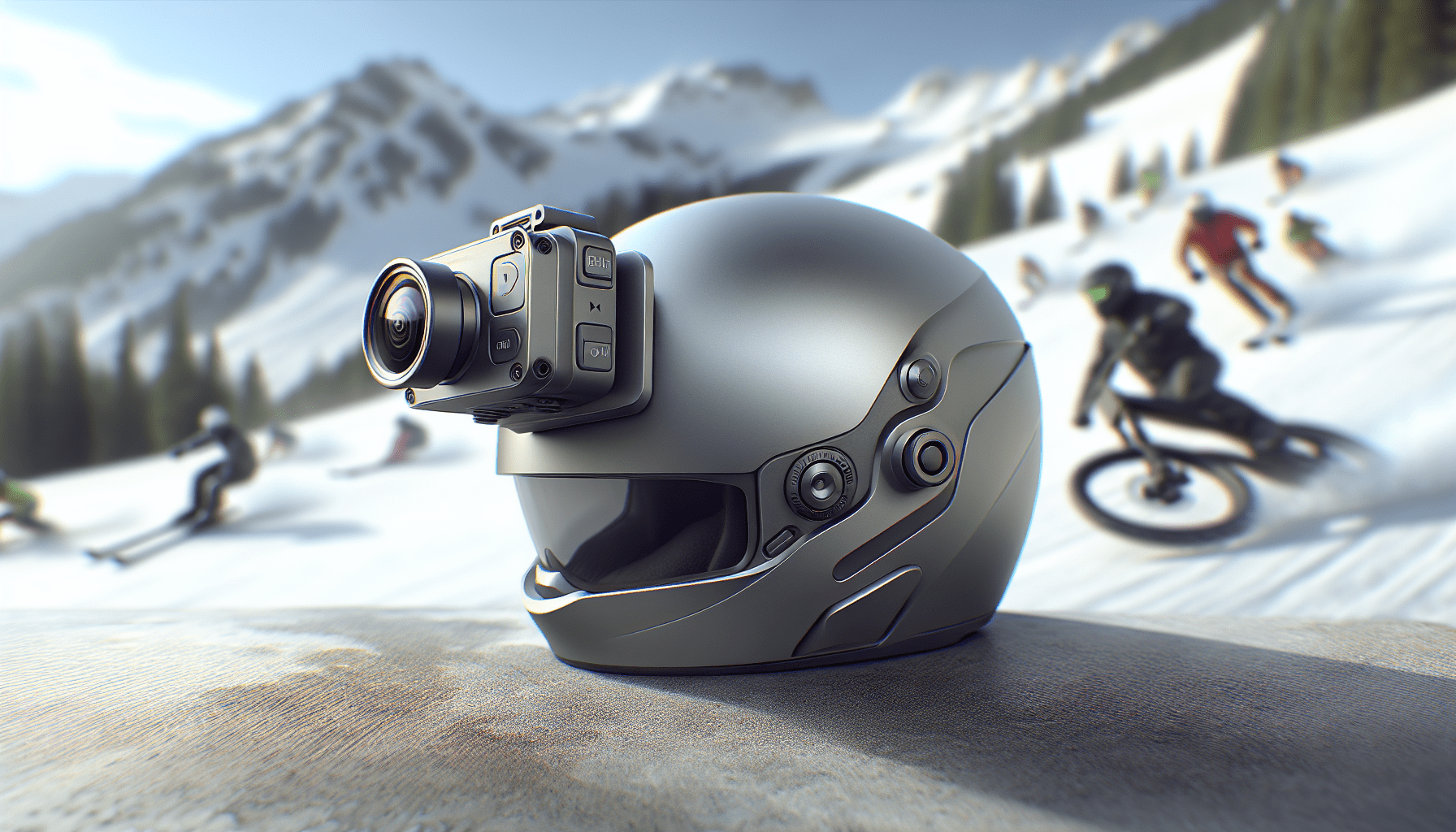
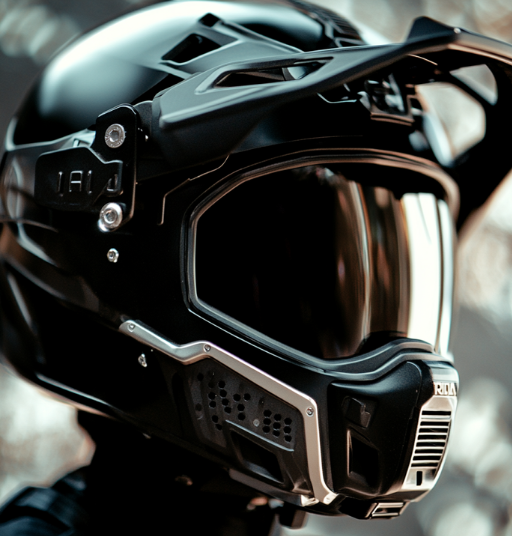
Here, the camera is engineered directly into the helmet’s structure—often in the chin bar, brow, or side. It’s a unified, purpose-built system.
Ideal For: Motorcyclists and aggressive mountain bikers who value a sleek, aerodynamic, and permanently ready solution. It appeals to those who want a “always on” system without the fuss of attachments.
Key Characteristics: Offers a clean, hassle-free profile with no external components to snag. These systems often bundle integrated Bluetooth communication for music and calls. The camera’s viewing angle is fixed by the helmet design, and the unit is not transferable to other helmets or activities.
Part C: The Clip-On or Modular Camera
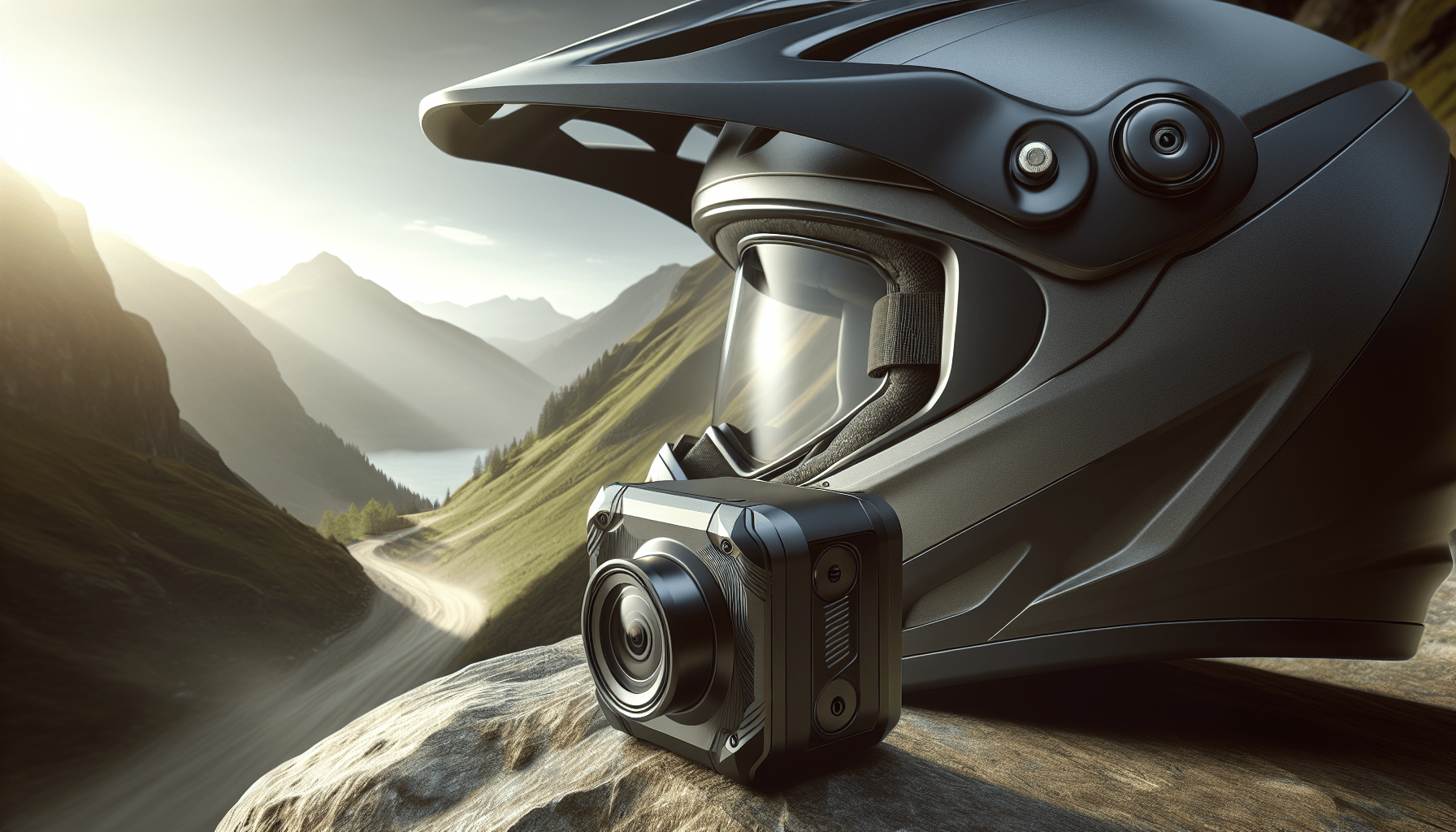
This category prioritizes discretion and convenience. These are lightweight, low-profile units designed to clip onto an existing helmet mount, visor, or magnetic base.
Ideal For: Commuters, road cyclists, travelers, and vloggers. If you need to quickly secure your camera for a commute and just as easily remove it to secure in a bag, this is your type. It’s optimized for social-media-ready video and simplicity.
Key Characteristics: Ultra-lightweight and minimally intrusive. Attachment and removal take seconds, enhancing security. Many feature a front-facing screen for vlogging. The trade-off often comes in slightly reduced ruggedness, battery life, or image stabilization compared to high-end action cams.
| Camera Type | Best For | Key Trade-Offs |
|---|---|---|
| Classic Action Cam | Maximum quality & flexibility; Multi-sport use | Separate mounting; Most bulky profile; Highest cost for full kit. |
| Integrated Camera Helmet | Streamlined, always-ready use; Motorcycle focus | Fixed perspective; Not transferable; Entire helmet must be replaced to upgrade. |
| Clip-On / Modular | Discretion & daily convenience; Quick social clips | Often less rugged; Smaller battery; May lack advanced stabilization. |
The Core System: Control Variables for Epic Footage
Choosing your camera type is just the start. Mastering these control variables is what transforms raw video into watchable, compelling content. This is the software to your hardware.
Image Stabilization: Your Electronic Steadicam
The Target: Perfectly smooth footage that eliminates handlebar vibration, trail chatter, and unwanted bumps.
The Consequence: Without effective stabilization, even 4K footage becomes a nauseating, shaky mess that fails to convey the grace of your ride.
The Control: Understand the levels. Standard EIS (Electronic Image Stabilization) is good; proprietary systems like HyperSmooth, RockSteady, or FlowState are game-changers. For high-vibration sports like moto or mountain biking, this is your most critical feature. Classic action cams currently lead in this technology.
Field of View (FOV): Framing Your World
The Target: Selecting the perspective that matches your activity’s story. Do you want immersive scenery or a focused view of the trail ahead?
The Consequence: A mismatched FOV distorts the sense of speed, makes corners look sluggish, or crops out critical environmental context.
The Control: Know your modes. Wide/SuperView: Maximizes immersion but can create a “fisheye” effect. Linear/Narrow: Removes distortion, zooming in for a more natural, cinematic look. I often use Linear for road cycling to capture the road ahead without bent horizons, and Wide for mountain biking to see more of the trail’s edges.
Battery & Capture Management
The Target: Capturing your entire ride, from warm-up to cool-down, without missing the key moment due to a dead camera.
The Consequence: The heart-stopping realization your camera died before the best section of the day.
The Control: Use smart features. Enable loop recording for continuous overwrite on long rides. Use voice commands to start/stop recording hands-free. For external action cams, invest in spare, removable batteries. For any long adventure, a small USB power bank can be a lifesaver, allowing you to recharge on the go.
Advanced Practices: Optimizing Your Setup
With the right camera type selected and core settings mastered, you now elevate from recording to filmmaking. This is the art of the craft.
Mounting Mastery: The Foundation of the Shot
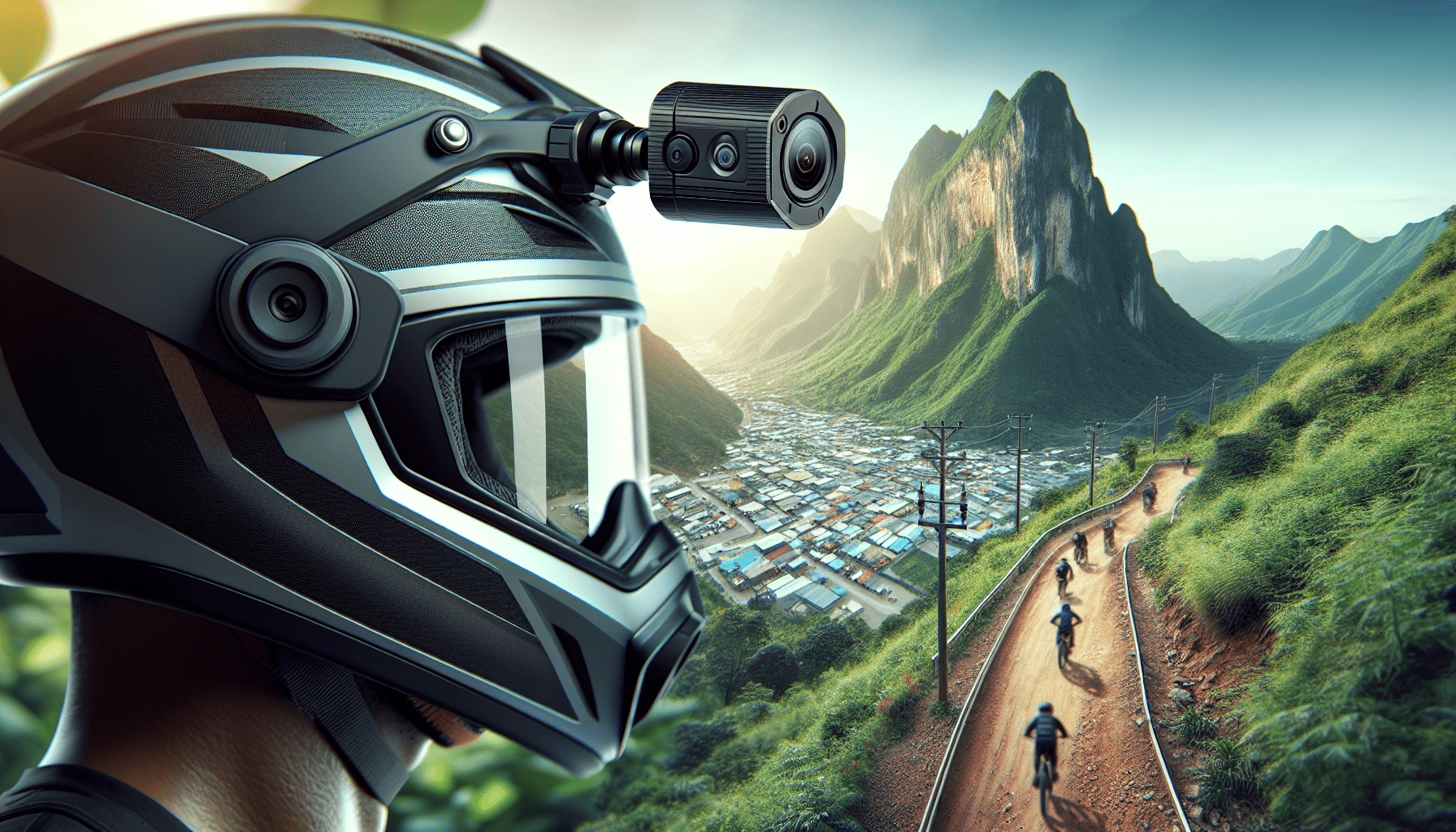
Preparation: The adhesive mount is everything. Clean the helmet surface thoroughly with isopropyl alcohol. Let it dry. Choose your location strategically: Chin Mount (best for immersive, “handlebar” view on full-face helmets), Top Mount (stable, overall POV), Side Mount (unique angle, shows rider lean).
Security: Always use a tether strap. I loop a thin nylon cord from the camera to my helmet strap. A failed adhesive mount should mean a dangling camera, not a lost one.
Audio Strategy: Capturing the Roar or the Whisper
Ongoing Inputs: Wind noise will ruin your audio. For external action cams, use a foam windscreen (windslip) over the microphone ports. For integrated systems with communication, ensure the microphone is positioned within an inch of your mouth, inside the helmet lining, to isolate your voice from the wind.
Selection and Workflow: From Capture to Edit
Strategy: Record in the highest quality your storage can handle—it’s easier to downgrade quality later than to enhance poor footage. Adopt a consistent file-naming system (e.g., Date_Location_Activity). Finally, invest time in basic editing software. Simple cuts, adding music, and creating highlight reels multiply the value of your footage a hundredfold.
Threat Management: Preventing Lost Moments
Adopt a mechanic’s mindset: proactive maintenance prevents catastrophic failure. Your camera system requires the same care as your bike or motorcycle.
Prevention: The Proactive Protocol
Cleanliness & Inspection: Before every ride, wipe the lens with a microfiber cloth. Check the integrity of adhesive mounts for lifting edges. Verify battery charge and available storage space. Once a month, check for and install firmware updates—these often improve stabilization and fix bugs.
Intervention: Solving Common Problems
Problem: Fogging inside the housing or lens.
Solution: Use anti-fog inserts or apply a drop of anti-fog solution to the inside of the lens. Ensure the camera is sealed in its housing at room temperature, not in a cold garage. Some housings have built-in vents or desiccant plugs.
Problem: Overheating and shutting down during static recording or in hot weather.
Solution: Avoid leaving the camera in direct, hot sun when not riding. Record in shorter clips rather than one long file. If safe and the environment allows, remove the camera from its waterproof housing to improve heat dissipation.
The Action Plan: A Rider’s Operational Checklist
| Phase | Primary Tasks | What to Focus On |
|---|---|---|
| Pre-Ride Setup | Charge all batteries. Clear/format memory cards. Clean lens with microfiber. Securely fasten camera and tether. Set resolution, FOV, and stabilization mode. | Transforming your kit from a pile of gear into a “grab-and-go” ready system. |
| During the Ride | Use voice control to start/stop recording. Use quick capture buttons. Glance at the recording indicator LED periodically. | Capturing moments spontaneously and reliably, without fumbling or breaking focus from the ride. |
| Post-Ride Routine | Offload footage to your computer. Recharge batteries. Inspect mounts for adhesive wear. Back up raw files to an external drive or cloud. | Preserving your digital memories and maintaining gear reliability for the next adventure. |
| Off-Season / Downtime | Update camera and editing software firmware. Research new editing techniques. Organize and tag your footage library. | Continuous skill development and system optimization, so you start the next season sharper. |
The Transformation: Your Perspective, Perfected
True mastery flows from a perfect match: the right type of helmet camera for your discipline, paired with a command of its environment and controls. You began by choosing a tool based on its mount; you finish by commanding a complete visual storytelling system. You move from wondering if the camera is recording to knowing exactly how to frame the shot, ensure its smoothness, and capture the sound of the experience. The result is more than just footage. It is a curated library of your progression and prowess. It is the unparalleled joy of sharing your unique view of the world, of reliving the adrenaline, and of seeing your own ride through the lens of a storyteller. This mastery doesn’t just document your journey—it profoundly enriches the ride itself.