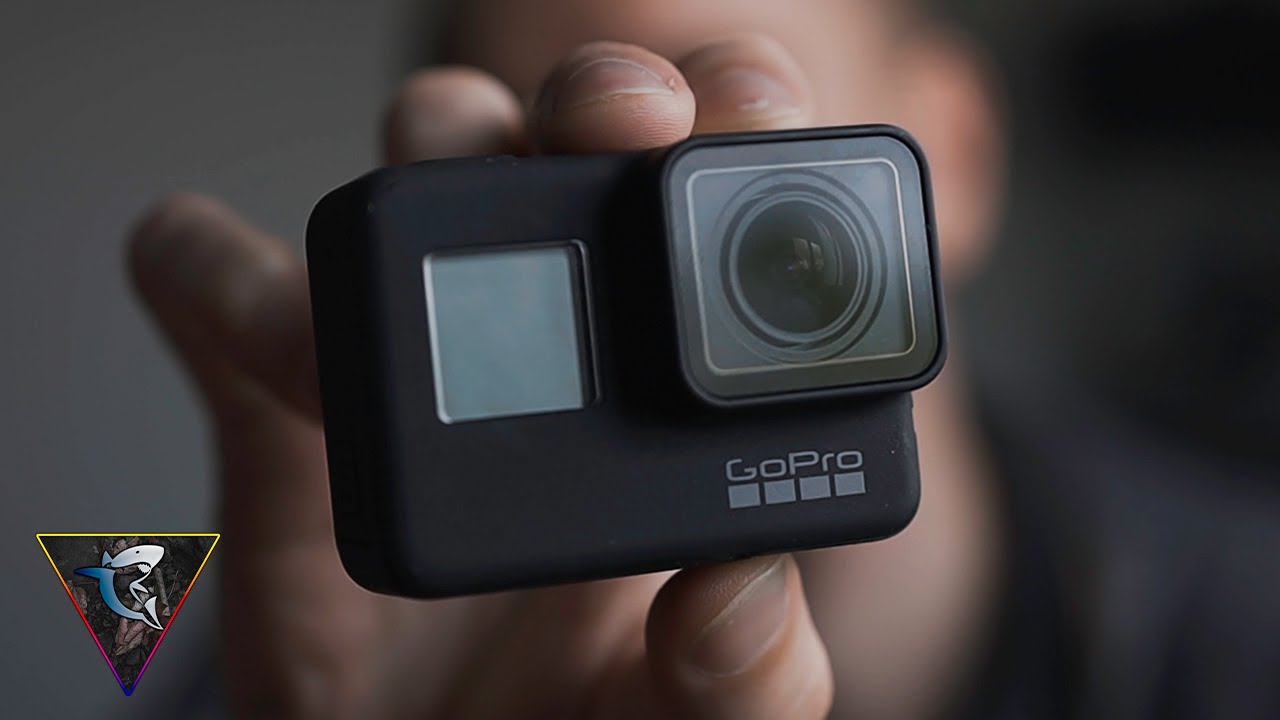
GoPro cameras are designed for action sports, but their specific combination of features makes them useful for a surprisingly wide range of activities. For motorcycle riders specifically, the GoPro’s capabilities go well beyond simply recording a ride. This guide covers the practical uses that deliver the most value for riders at every level.
What Is a GoPro Camera Good For?
1. Motorcycle Ride Documentation
The most common use for GoPro cameras among motorcyclists. Recording your ride serves three purposes:
- Memory: Watching back footage from a great ride, sharing memorable sections with fellow riders
- Insurance protection: If another driver causes an incident, camera footage is the clearest evidence of fault. UK police forces accept GoPro footage as evidence; US insurance companies use it to assess liability.
- Safety documentation: Building a record of close calls, dangerous driving by other road users, and road hazard documentation
GoPro’s HyperSmooth stabilization makes recording practical at all speeds — the footage is smooth enough to be reviewed usefully, not just a shaky blur.
2. YouTube Motovlogging
Motovlogging — talking to camera while riding, sharing routes, reviewing gear, and building a riding community on YouTube — is one of the fastest-growing motorcycle content formats. GoPro Hero 13 paired with an external microphone (Rode Wireless GO II, DJI Mic Mini) is the standard equipment for serious motovloggers.
The GoPro’s 4K resolution and HyperSmooth produce professional-looking footage that keeps viewers watching. Channels like FortNine, Moto Adventures, and numerous UK touring channels use GoPro as their primary camera.
3. Riding Technique Analysis
Track day riders and serious road riders use GoPro footage to improve their technique. Recording a lap or a route, then reviewing it in slow motion (120fps = 4x slower than real time), reveals:
- Braking points and whether they’re early or late relative to the apex
- Body position through corners and how it changes with confidence
- Vision and where you’re looking through corners
- Throttle and brake application smoothness (visible in suspension movement)
The GoPro Hero 13’s GPS overlay in the Quik app adds speed data to footage — useful for comparing corner entry and exit speeds between sessions.
4. Route Exploration Recording
Documenting new routes for later reference, or sharing them with other riders in a club or forum. A GoPro recording of a great B-road section is useful social content, a practical route reference, and a memory. At 4K resolution, road sign text is readable — which makes footage useful as a navigational aid when revisiting a route.
5. Multi-Sport Use
Unlike purpose-built motorcycle cameras, GoPros work across activities:
- Skiing / snowboarding — top-mount on ski helmet; standard for resort and backcountry filming
- Mountain biking — chin mount for trail riding; DH mountain bikers use GoPro as the standard
- Water sports — surfing, kayaking, wake boarding; GoPro’s waterproof housing is rated to 10m
- Cycling — top mount for road cycling; captures routes and commuting incidents
- Travel — handheld and on monopod for general travel video; compact enough to carry everywhere
This multi-use versatility justifies the price for riders who also ski, cycle, or travel — one camera covers all activities rather than buying separate specialist cameras.
6. Vehicle Dashcam
A GoPro mounted on a vehicle’s windscreen (suction cup mount) functions as a dashcam. It’s more capable than most dedicated dashcams — better resolution, better stabilization, better low-light performance. Limitation: no loop recording in standard mode. GoPro’s Dashcam mode (added in Hero 12) addresses this with continuous loop recording.
7. Wildlife and Nature Photography
The wide-angle lens and small form factor make GoPros useful for wildlife photography where a large camera would disturb animals. The waterproof design handles outdoor conditions. Not a replacement for a telephoto lens, but useful for close-range nature footage.
What GoPro Is NOT Good For
Understanding limitations helps set realistic expectations:
- Zoom photography: GoPro uses fixed wide-angle lenses. No optical zoom. Not suitable for distant subjects.
- Low-light photography: The 1/1.9-inch sensor is capable but limited compared to larger-sensor cameras. Portrait and interior photography at night is not where GoPros excel.
- Professional film production: For YouTube content and social media, GoPro footage is excellent. For broadcast television or cinema, the compression, dynamic range, and latitude limitations of action cameras become visible.
- Long-form interviews: The wide-angle lens creates unflattering facial distortion at close range. Not suitable for talking-head style video without a narrow FOV lens attachment.
GoPro Models for Motorcycle Riders: Quick Reference
| GoPro Model | Best For | Price |
|---|---|---|
| Hero 13 Black | Maximum quality, motovlogging, track days | ~$399 |
| Hero 12 Black | Same quality as Hero 13 at lower price | ~$299 |
| Hero 11 Black | Great value, same sensor as Hero 12/13 | ~$249 |
| Hero (entry) | Budget option, basic recording | ~$179 |
Use our free Camera Recommender to get a specific GoPro model recommendation matched to your riding style and budget — takes 60 seconds.
Frequently Asked Questions
Can a GoPro replace a phone camera?
For action and activity recording: yes, GoPros typically outperform phones due to superior stabilization and waterproofing. For portraits, low-light photography, and versatile everyday photography: no, modern smartphone cameras with computational photography are more capable for general use.
Is GoPro the best action camera?
For most riders, yes — GoPro’s HyperSmooth stabilization, mount ecosystem, and proven durability make it the best-tested option. DJI Osmo Action 5 Pro has better battery life and a larger sensor; Insta360 X5 offers unique 360° capabilities. The “best” depends on your specific priorities. Our Camera Recommender tool matches you to the right camera for your situation.
How long does a GoPro last?
GoPro cameras are regularly used for 5–7 years by active riders before being upgraded or replaced. The Hero 7 Black (2018) is still used by many riders today. Battery health degrades over time — expect to replace the battery after 200–300 charge cycles. The camera itself is typically durable enough to outlast several batteries.
Official resources: Full GoPro camera range | GoPro mount accessories for motorcycles.