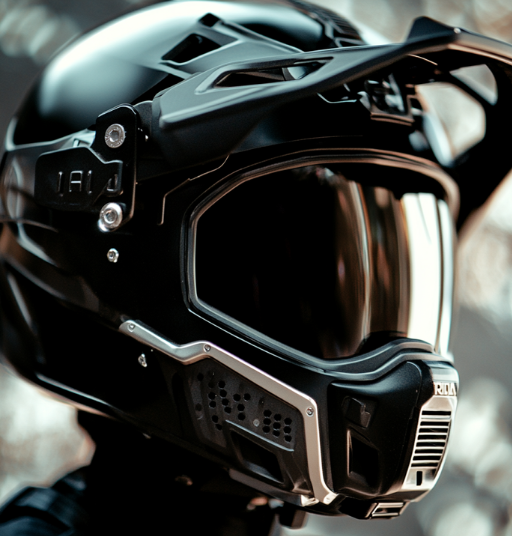
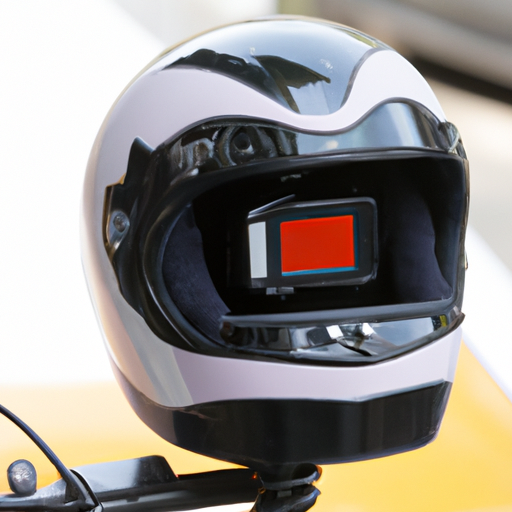
Helmet cameras are legal and widely used by motorcycle riders across the US, UK, Europe, and Australia — but “are they safe?” is a question with two distinct answers: one about physical safety to the rider, and one about road safety implications. This guide covers both, with specific research and evidence rather than speculation.
Are Helmet Cameras Physically Safe for Riders?
The Research on External Camera Mounts
The primary safety concern about helmet cameras is whether an external protrusion increases injury risk in a crash. The evidence is nuanced:
UK research (SHARP helmet testing): SHARP (Safety Helmet Assessment and Rating Programme) has tested helmets with mounted cameras. Their findings indicate that external protrusions increase the risk of rotational force transfer to the head during a glancing impact — but primarily when the camera is a rigid block with a large surface area that catches the ground.
Real-world rider data: Helmet cameras have been worn by millions of riders over 15+ years without a documented spike in helmet-related head injuries attributable to camera mounts. This isn’t definitive evidence, but it provides meaningful context alongside the laboratory research.
What Reduces the Safety Risk
The safety risk varies significantly with mount design:
- Breakaway mounts are safer — mounts designed to release on impact (rather than hold rigid) reduce rotational force transfer. GoPro’s own chin mounts are not explicitly rated as breakaway, but chin bar positioning naturally provides some protection from ground contact.
- Chin mounts are safer than top mounts — a camera on the top of the helmet has direct exposure to ground contact in a fall. A chin bar mount is protected by the chin bar in most crash scenarios.
- Lighter cameras are safer — the Insta360 GO 3S at 35g creates significantly less pendulum mass than a GoPro at 154g. For riders very concerned about safety impact, lighter cameras reduce the risk.
- Internal cameras are safest — cameras mounted inside the helmet (INNOVV H5, some Sena models) have zero external protrusion.
FIM and Race Regulations
The FIM (Fédération Internationale de Motocyclisme) regulates helmet cameras in official motorsport. Current FIM rules (updated 2023) require:
- Camera weight under 150g for helmet-mounted devices in top-level competition
- Cameras must be mounted with approved bracket systems
- No external protrusions exceeding 3cm above the helmet shell in some categories
Club-level racing and trackday regulations vary by organiser — always check specific event rules before mounting a camera at a race or track day.
Helmet Camera Road Safety: Benefits
Insurance and Legal Protection
The most concrete road safety benefit of helmet cameras is documentation. Insurance claims involving motorcyclists are frequently disputed because motorcycles are assumed to be at fault by default in many collision scenarios. Camera footage:
- Provides objective evidence of fault in a collision
- Documents road conditions, traffic behaviour, and hazards at the time of an incident
- Records speed, positioning, and other rider behaviour relevant to fault assessment
- Has been used successfully in UK, US, and Australian courts to establish liability
UK motorcyclist advocacy groups including the Motorcycle Action Group (MAG) actively encourage helmet camera use for exactly this reason.
Evidence Against Dangerous Drivers
Helmet camera footage has led to prosecutions of dangerous drivers across the UK and US. Notable examples include riders submitting footage to police of drivers who ran red lights, cut across lanes, or performed dangerous overtakes. Several UK police forces (including West Mercia, Thames Valley, and Avon & Somerset) have dedicated online portals for riders to submit dashcam/helmet cam footage.
Improved Riding Awareness
A secondary benefit some riders report: knowing your ride is being recorded creates a slight but measurable increase in riding discipline. This is the “observer effect” — behaviour improves when it’s being recorded, even by yourself.
Potential Road Safety Concerns
Distraction from Adjusting Settings
The risk of operating camera settings while riding is real. Modern cameras mitigate this through: voice control (GoPro Hero 13 supports “GoPro, start recording”), simple physical buttons, and the ability to start recording before setting off and leave it running throughout the ride.
Best practice: Start recording before you put your helmet on. Don’t adjust settings while moving.
Aerodynamic Impact at High Speed
A camera on top of or at the side of a helmet increases aerodynamic drag. This creates head/neck fatigue on long high-speed rides and can cause the helmet to wobble slightly at very high speeds, potentially affecting rider comfort and reaction time.
Mitigation: Chin mount position reduces aerodynamic impact significantly vs. top mount. Keep camera positioning as low-profile as possible.
Legal Status: Are Helmet Cameras Legal?
In the vast majority of jurisdictions, helmet cameras are legal. Specific considerations:
- UK: Legal. No specific laws restrict helmet cameras. Audio recording in public spaces is generally legal.
- US: Legal in all 50 states at the hardware level. Audio recording laws vary — some states require two-party consent for audio recording of conversations. Video-only recording has no consent requirements.
- EU: Legal in most countries. GDPR considerations apply when footage includes identifiable individuals, but personal use is generally exempt.
- Australia: Legal. Some states have specific exemptions for safety recording devices on vehicles.
For a comprehensive state-by-state legal guide, see our Legal Guides section.
Verdict: Are Helmet Cameras Safe?
For the vast majority of riders in the vast majority of riding situations: yes, helmet cameras are safe and provide a net benefit. The documented safety benefits (insurance protection, dangerous driver evidence, legal protection) outweigh the marginal theoretical crash risk — particularly when using a chin mount design rather than a protruding top mount.
The riders with the most legitimate reason to consider the safety trade-off are those who race competitively (where FIM rules apply) or who ride with very aggressive cornering where crash scenarios are more likely and the specific mount design matters more.
Frequently Asked Questions
Do helmet cameras void helmet warranties?
Adhesive mounts that modify the helmet shell can void manufacturer warranties on some helmets. Non-adhesive chin mounts that clamp to the chin bar without modifying the shell typically do not affect the warranty. Check your specific helmet manufacturer’s guidance if this is a concern.
Can helmet camera footage be used against me in an insurance claim?
Yes — footage is objective evidence and applies equally regardless of who is at fault. If footage shows rider error, it can be used by the other party. However, the same footage showing defensive riding and the other driver’s fault is far more likely to be relevant in most incidents. The evidence benefit outweighs the risk for most riders.
Are there helmets designed specifically for camera mounting?
Several helmet manufacturers offer models with integrated camera-mount compatibility. Bell’s Race Star Flex DLX is designed with GoPro chin mount compatibility. Arai’s newer models include provision for camera-mounting accessories. These helmets maintain certification integrity when used with approved mount systems.
Official resources: UK government guidance on vehicle cameras | GoPro camera specifications.