The Unseen World of Firefighting
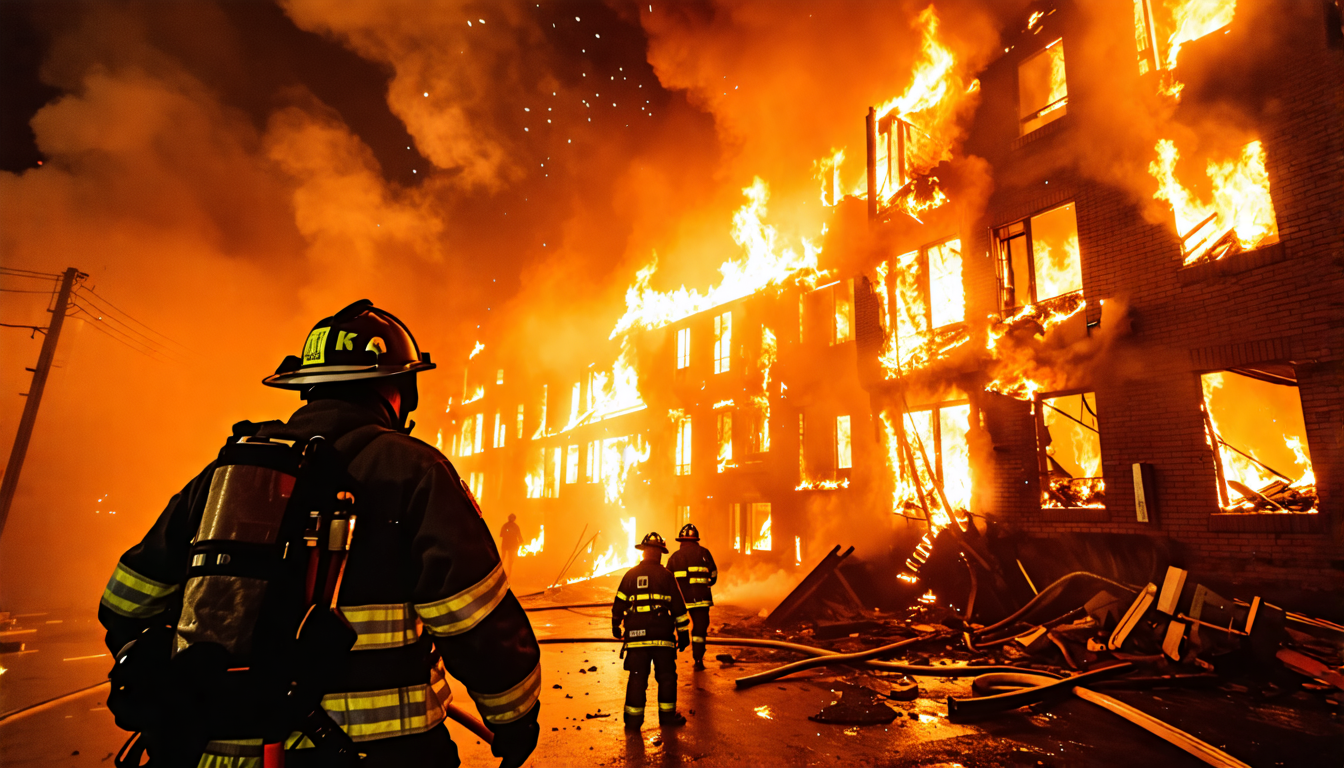
Imagine a world of absolute sensory overload. The roar of the fire is deafening. Thick, black smoke reduces visibility to zero, turning your surroundings into a disorienting, superheated maze. Every breath is a conscious effort through your mask. In this chaos, split-second decisions mean the difference between life and death, rescue and tragedy. For generations, this visceral reality was locked inside the helmets of those who faced it, a world the public could scarcely comprehend.
Technology has now opened a window into that world. The recent release of footage where a helmet camera captures a firefighter’s perspective of a deadly apartment blaze is more than just gripping video. It is a transformative tool. This first-person view is the key to unlocking deeper analysis, fostering public empathy, and fundamentally advancing life-saving firefighting tactics.
The Critical Hardware: Choosing a Firefighting Helmet Camera
This is not a consumer gadget. A firefighting helmet camera is mission-critical gear, an extension of the firefighter’s senses that must perform under the most extreme conditions. Your choice forms the foundation for capturing usable, actionable data.
Selection & Core Specifications
The divide between ruggedized professional units and consumer-grade cameras is absolute. For structural firefighting, certain specifications are non-negotiable. The camera must withstand radiant heat, direct impact, and complete immersion in water. Look for an IP68 or higher ingress protection rating and a certified operating temperature range that exceeds 150°C (302°F). Key features define its utility: superior low-light performance for navigating smoke-filled rooms, a wide-angle lens to capture peripheral action, extended battery life for long incidents, and a large, glove-friendly activation button you can operate under duress.
Integration & Safety on the Helmet
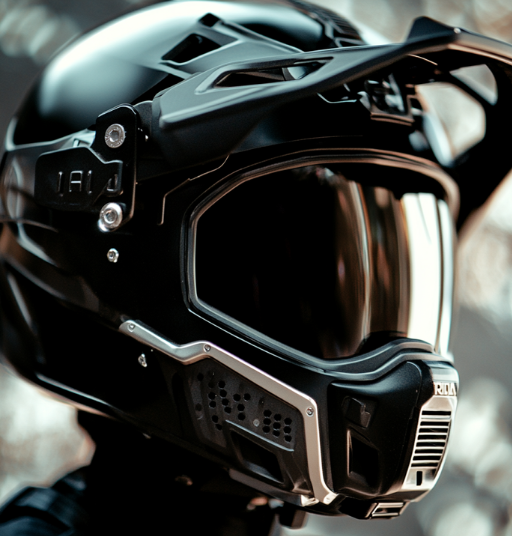
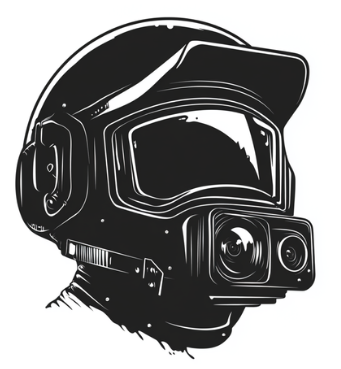
Placement is a tactical decision. The camera must be mounted to provide a true “eye-level” perspective without compromising the helmet’s safety profile or the firefighter’s balance. Common positions are centered on the front brim or integrated into the helmet’s shell. The mount itself must be incredibly secure to prevent dislodgement during violent movement or partial collapse. All wiring must be meticulously managed and tucked away to eliminate any snagging hazard that could trap a firefighter in a tight space.
| Component Category | Primary Options | Key Characteristics |
|---|---|---|
| Camera Body | Intrinsically Safe/Ruggedized vs. Consumer Action Cam | Ruggedized units are built to military-grade specs: heat-resistant, crush-proof, and certified for hazardous environments. Consumer cams are lighter and cheaper but fail under extreme heat and are not designed for life-critical use. |
| Lens & Sensor | Wide-Angle, Low-Light Optimized | A wide field of view (140°+) captures crucial peripheral data. A large sensor with excellent low-light sensitivity is vital for cutting through smoke and darkness where the eye cannot see. |
| Mounting System | Helmet-Integrated Bracket vs. Adhesive/Strap Mount | Integrated brackets, often drilled into the helmet shell, offer the most secure and permanent attachment. Adhesive mounts are less invasive but have a higher risk of failure in high-heat conditions. |
The Core System: Analyzing the Footage for Insight
Raw footage is just data. The real value emerges from systematic analysis, transforming a harrowing experience into a dynamic stream of lessons for post-incident review and future real-time command potential.
Tactical Analysis: The After-Action Review
This is where footage becomes a forensic tool. Training officers dissect every frame to study fire behavior from the interior—watching flame spread patterns, smoke density changes, and the effects of ventilation tactics. They evaluate the efficiency of search patterns, seeing exactly how a team covered a blacked-out apartment and identifying missed areas. Crucially, they audit communication and crew integrity, listening to radio traffic clarity and verifying that team members maintained physical contact and situational awareness as conditions deteriorated.
Training & Preparedness: Stress Inoculation
For recruits, textbook diagrams are replaced by visceral reality. Watching authenticated helmet cam footage is a powerful form of stress inoculation. It prepares their minds for the disorientation they will face. Instructors can pause the video to quiz trainees on what they see, what hazards they identify, and what their next command would be. Furthermore, footage often reveals “near miss” incidents—a flashover precursor or a partial ceiling collapse—that were invisible to commanders outside, allowing departments to develop new safety protocols.
Beyond the Flames: The Broader Impact of First-Person Video
Public Transparency & Trust
When the public sees the chaos a firefighter endures, understanding and respect deepen exponentially. This footage demonstrates the sheer physical and mental challenge, fostering stronger community support. It also serves as unambiguous evidence for official incident investigations and public briefings, replacing speculation with documented fact.
Ethical Considerations & Departmental Policy
This power requires responsible governance. Departments must balance operational transparency with profound ethical duties. Strict policies must govern recording, especially in residential settings, to protect the privacy of victims and occupants. Clear rules are needed for data storage, chain of custody, and authorized use—defining when footage is used for training, investigation, or public release.
Case in Point: Deconstructing the Apartment Blaze Footage
Let’s apply this framework to the specific incident where helmet camera footage captured a firefighter’s perspective of a deadly apartment blaze. A guided analysis reveals more than just flames.
In the early moments, the wide-angle lens captures the rapid “mushrooming” of smoke at the ceiling, a key indicator of developing flashover conditions. The audio picks up the firefighter’s labored breathing and terse radio call for a backup line, highlighting communication under stress. As the team advances, the camera shows their systematic, hand-on-wall search pattern in a child’s bedroom, a technique that proves critical. Later, a sudden increase in noise and a rain of debris from above—missed by those outside—is clearly recorded, providing a textbook example of early collapse warning signs that will now be emphasized in training. The footage validates the rapid deployment of the Rapid Intervention Crew (RIC) when a mayday call is issued.
The lesson learned is direct: interior footage provides the earliest and most reliable indicators of structural instability, enabling faster, safer tactical withdrawals and more effective RIC deployment.
A Lens into Valor and Continuous Improvement
This technology provides an irreplaceable perspective on the triad of sacrifice, skill, and chaos that defines firefighting. It moves us beyond hero narratives into the realm of empirical science. Each recorded incident contributes to a growing library of knowledge, directly refining techniques and improving firefighter safety. The footage from that deadly apartment blaze does more than document a tragedy. It captures the raw reality of rescue, ensuring that hard-won experience is never lost. It guarantees that every sacrifice teaches a lesson, and every lesson learned from this intimate perspective has the power to save lives in the fires to come.