Reviewed by the Digital Helmet Cameras Editorial Team. Based on manufacturer specifications and publicly available user feedback; not independent lab or road testing. Prices and availability change, so check current listings.
Models covered: the cameras named in this guide. Manufacturers release new models regularly, so check current lineups, specifications and prices on the manufacturer pages before buying.
What Makes a Helmet Camera Work for Adventure Motorcycling
Adventure riding puts camera gear through conditions most action cam reviews don’t cover: sustained vibration over corrugated dirt roads, temperature swings from valley heat to mountain cold in a single day, rain that comes without warning, and riding positions that change constantly between standing on pegs and highway cruising.
These five cameras are well-suited to ADV riding based on their published waterproofing, stabilization, and battery specifications for the vibration, temperature swings, and dust/mud exposure typical of off-road adventure routes.
The 5 Best Motorcycle Helmet Cameras for Adventure Riding
1. GoPro Hero 13 Black — Best All-Around ADV Camera
The Hero 13 remains the benchmark for adventure motorcycle use. Hypersmooth 6.0 stabilization handles the kind of sustained high-frequency vibration that comes from extended gravel road riding — not just smooth tarmac. The 10-bit color and HDR capture retain detail in the high-contrast situations adventure riders encounter constantly: bright sky over dark forest trails, tunnel exits onto sunlit roads.
The Hero 13 is also waterproof to 10m without a housing, which matters when you’re not stopping to bag your camera every time clouds appear. Max Lens Mod compatibility gives you a 177° field of view for the full immersive ADV experience. Battery life is around 70 minutes at 4K60fps — bring two spares for a full day.
Find the Hero 13 on Amazon or at gopro.com.
Best for: Riders who want the most complete, proven system for demanding conditions.
2. DJI Osmo Action 4 — Best Low-Light Performance
The Osmo Action 4’s 1/1.3-inch sensor is the largest in this class. That sensor size matters for adventure riding because you’re often filming at dawn, dusk, or through heavy forest canopy where light is limited. Footage shot in these conditions with the Action 4 is reported to be noticeably cleaner than competing cameras at the same price.
RockSteady 4.0 is excellent. The magnetic quick-release system is faster to operate with gloves on than GoPro’s standard finger mounts — a meaningful practical advantage when swapping the camera between helmet and handlebar mounts during the day.
Current pricing and options at Amazon or dji.com.
Best for: Riders who regularly film in poor light or want the fastest mount swap system.
3. Insta360 Ace Pro 2 — Best for Set-and-Forget Recording
The Ace Pro 2 is well suited to riders who want to record without actively managing the camera. The AI-powered scene detection automatically adjusts exposure for the high-contrast scenarios that fool fixed settings. The Active HDR mode in 4K is designed to deliver more usable footage straight out of camera than manual settings on long rides.
The wide angle (150°) produces less edge distortion than competing ultra-wide cameras — useful when you want the footage to look cinematic rather than fisheye. Stabilization through rough terrain is strong. Battery life at 4K/30fps is around 90 minutes, among the best in this class.
See current options at Amazon or insta360.com.
Best for: Riders who want excellent footage with minimal settings management on long days.
4. GoPro Hero 12 Black — Best Value Flagship
With the Hero 13 available, the Hero 12 has dropped significantly in price and remains a fully capable ADV camera. Hypersmooth 5.0 is nearly identical to 6.0 in real-world motorcycle use. The 10-bit color, waterproofing, and full accessory ecosystem are unchanged.
If you’re already in the GoPro ecosystem with mounts and accessories, the Hero 12 is the obvious value pick. If you’re starting fresh, the price difference makes it worth comparing to the DJI Action 4 before committing.
Find the Hero 12 on Amazon.
Best for: Existing GoPro users, or riders who want flagship-tier performance at mid-range pricing.
5. DJI Osmo Action 3 — Best Budget ADV Option
The Action 3 is now the most affordable camera on this list and still delivers genuinely good ADV footage. RockSteady 3.0 holds up well on mixed surfaces. The camera has a strong reputation for thermal management, with documented reports of no overheating shutdowns during continuous 4K recording even in hot conditions — an area where some flagship cameras struggle.
It lacks the Action 4’s larger sensor, which shows in low-light performance. But for daytime adventure riding — which covers most ADV riding — the Action 3 produces footage that will surprise you given the price.
Current pricing on Amazon or at dji.com.
Best for: Budget-conscious riders who don’t want to compromise stabilization quality.
Side-by-Side Comparison
| Camera | Stabilization | Low-Light | Battery (4K60) | Waterproof (no housing) | Best Use Case |
|---|---|---|---|---|---|
| GoPro Hero 13 Black | Hypersmooth 6.0 | Very Good | ~70 min | 10m | All-around ADV |
| DJI Osmo Action 4 | RockSteady 4.0 | Excellent | ~80 min | 18m | Low-light & fast swaps |
| Insta360 Ace Pro 2 | FlowState | Very Good | ~90 min | 10m | Set-and-forget recording |
| GoPro Hero 12 Black | Hypersmooth 5.0 | Very Good | ~70 min | 10m | Value flagship |
| DJI Osmo Action 3 | RockSteady 3.0 | Good | ~90 min | 16m | Budget ADV |
Mounting Recommendations for ADV Riders
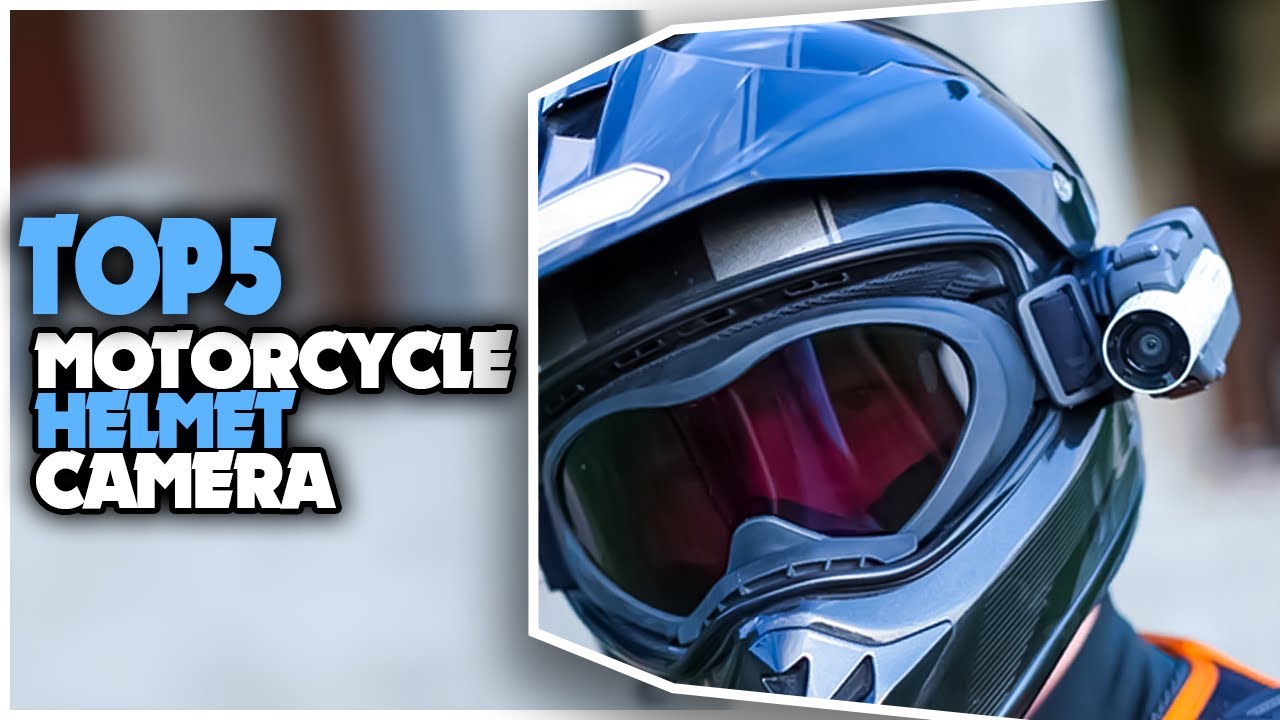
For adventure motorcycles, chin mounting is the most reliable option on dual-sport and full-face ADV helmets. It produces the most natural POV angle and benefits from reduced wind exposure compared to top and side positions. On helmets with large chin bars (like the Shoei Hornet ADV or Bell MX-9), dedicated chin mount bases are available.
For long-distance ADV touring where you want hands-free recording without actively managing the camera, pair any camera on this list with a handlebar mount as a secondary angle. The handlebar captures your controls and the road ahead, while the helmet cam captures your perspective and reactions.
For detailed mounting guidance, see our complete helmet camera mount guide.