The New Frontier of Head Protection
Imagine the moment of impact—a sudden crash, an unexpected fall. For decades, your helmet’s protection was a silent, passive fact. It either worked or it didn’t. Today, that paradigm is shattered. The integration of cameras and sensors is transforming basic headgear into an intelligent data hub. This shift creates unprecedented opportunities for safety and accountability, but it also introduces complex new risks. Navigating the evolving landscape of helmet safety standards and camera integration is no longer optional. It is the critical skill for every rider, athlete, and manufacturer committed to next-generation protection without dangerous compromise.
The Non-Negotiables of Helmet Safety
Before integrating any technology, you must master the helmet’s core purpose. Its mission is threefold: to absorb catastrophic impact energy, to remain securely on your head during a crash, and to manage rotational forces. This is validated through rigorous, established testing protocols like DOT, ECE, SNELL, and MIPS. These standards form an unbreakable covenant of safety. Any addition—especially one as substantial as a camera—must first answer to this integrity imperative. The fundamental physics of protection cannot be an afterthought.
The Integration Challenge: Camera as Component
Treating a camera as a mere accessory is your first, and potentially most costly, mistake. True integration requires understanding it as a fundamental component of the helmet system, with direct consequences for performance and safety.
Physical Compromise vs. Intelligent Design
Every mounting method carries inherent risk. Adhesive pads can fail or concentrate stress on the shell. Strap anchors can snag or compromise the retention system. Most critically, any protrusion or hard point can alter the helmet’s smooth profile, creating dangerous pivot points in a crash and negatively affecting aerodynamics and weight distribution. The goal is not just to attach a camera, but to do so in a way that minimizes disruption to the helmet’s original, certified design intent.
The Standards Dilemma
Here lies the central conflict: no major safety standard currently certifies helmets with attached hardware. A helmet passes its tests in a laboratory-perfect state. The moment you add a camera, you are operating outside the bounds of its certification. The industry now faces a pressing debate: should future standards require dynamic testing with mounted equipment? The push for these new, inclusive protocols is the defining battle for the next era of helmet safety.
Beyond the Lens: Systemic Impacts
The camera’s influence extends far beyond your helmet, rippling out into broader safety, behavioral, and legal ecosystems.
Data as a Diagnostic Tool: This is the transformative promise. Integrated cameras and sensors (like G-force and impact locators) provide forensic-grade crash data. This information is invaluable for improving future helmet designs, understanding real-world accident dynamics, and even advocating for safer roadway infrastructure.
The Behavioral Effect: Does the camera make you a safer rider? The psychology is complex. For many, it promotes accountability and disciplined riding. For others, it may inadvertently encourage performance for the lens. You must audit your own behavior honestly—the camera should document your ride, not dictate it.
Legal and Insurance Implications: Your footage is a powerful evidentiary tool. It can unequivocally prove fault in an accident, speeding up insurance claims. Conversely, it can also document your own mistakes, potentially affecting liability. This digital witness does not take sides.
Forging the Path Forward
The future demands a co-evolution of intelligent gear and forward-thinking governance. Progress is already visible on both fronts.
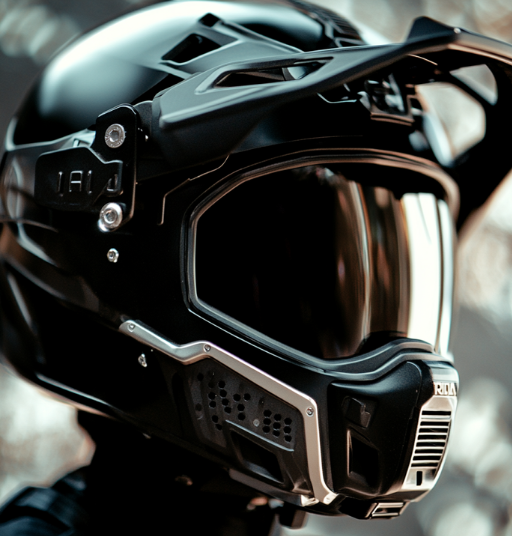
Industry Innovation: Leading manufacturers are now designing helmets from a clean sheet with integrated, aerodynamic camera pods. These solutions, like the Torc T14B with Integrated Bluetooth & Camera, embed the technology flush within the shell, preserving safety and aesthetics. They represent the ideal path forward.
The Role of Standards Bodies: We will see new test protocols emerge. Expect future certifications to include dynamic load testing with mounted hardware and perhaps even standards for data integrity from impact sensors. Governance must accelerate to match technological pace.
Your Actionable Checklist for Safe Addition
If you are adding a camera to an existing helmet, use this guide to minimize risk:
| Principle | Action | Rationale |
|---|---|---|
| Mounting Location | Choose the chin bar or side, never the top crown. | Avoids creating a direct impact point on the helmet’s most critical zone. |
| Mounting Method | Use manufacturer-approved adhesive pads; avoid drilling or permanent modification. | Preserves the structural integrity of the shell and liner. |
| Weight & Profile | Select the lightest camera possible and ensure it is flush and secure. | Minimizes inertial leverage in a crash and reduces neck strain. |
| Mental Check | Acknowledge you have altered a certified safety device. | Promotes conscious riding and informed risk assessment. |
The Integrated Future of Personal Protection
The journey from viewing a camera as a simple add-on to understanding it as a transformative system component is complete. The ultimate lesson is clear: safety must be the engine of innovation, not a trailing consideration. By respecting the non-negotiable physics of protection while embracing the diagnostic power of data, we forge a new path. We move toward a future where our gear does more than save lives—it actively contributes to a safer environment for all. This is the profound promise and solemn responsibility guided by mastering the evolution of helmet safety standards and the impact of camera integration.