The Road as a Witness
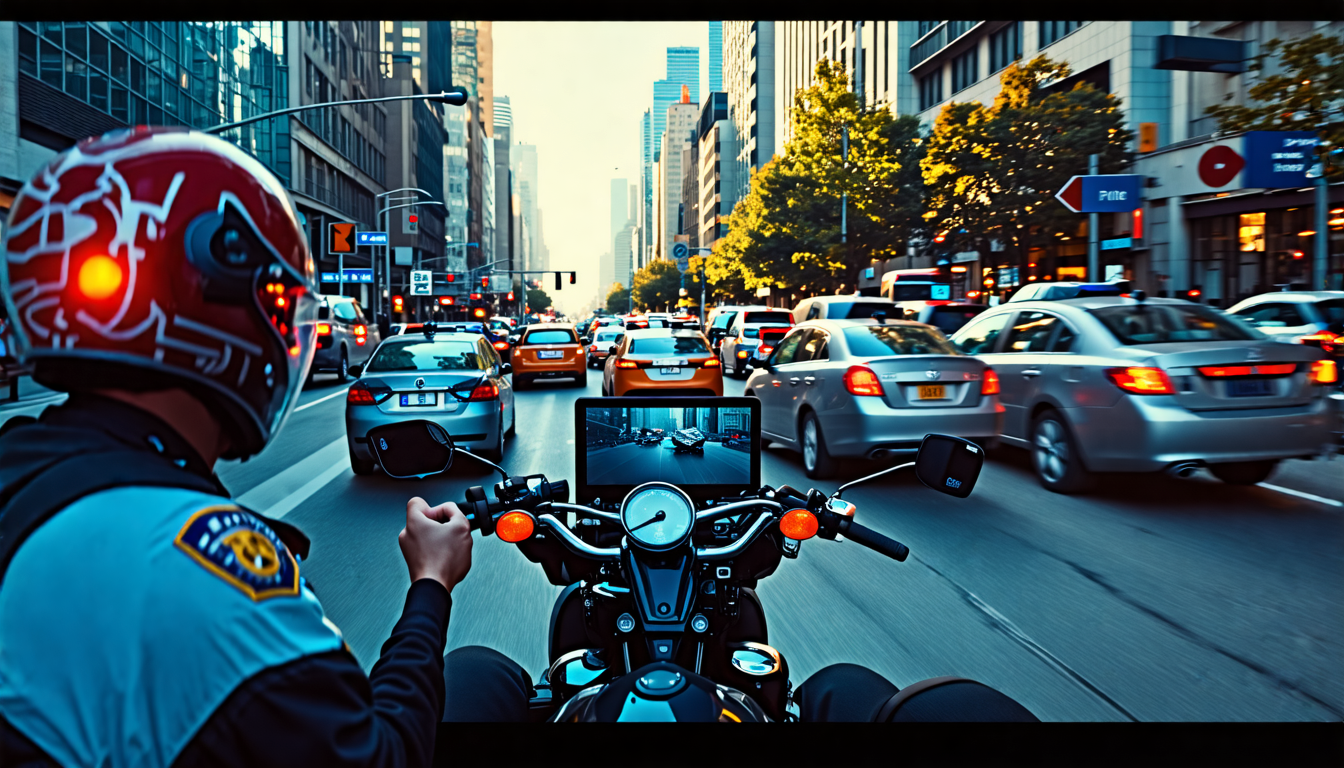
You see the car drift across the center line, a momentary lapse that fills your lane. Your heart rate spikes as you brake and swerve, the near-miss leaving you with nothing but adrenaline and anger. The driver continues, oblivious. You’re left with a story that feels powerless—an unseen incident with no witness but you. This frustration is the old reality. Today, technology has handed you the gavel. A helmet camera transforms you from a potential victim into an agent of accountability. It turns your commute into a patrol, your perspective into proof. This was never more clear than in a recent, landmark case where a biker’s helmet camera provided police with the evidence needed to issue 86 charges of reckless behavior. Your ride is no longer just a journey; it is a mobile evidence-gathering mission for public safety.
Foundational Choices: Your Mobile Evidence Kit
Your camera is your primary witness. Choosing the right one is not about capturing scenic rides; it’s about building a foundation of credible, court-admissible evidence. Every feature must serve the goal of clarity and reliability.
Part A: Camera Selection & Core Features
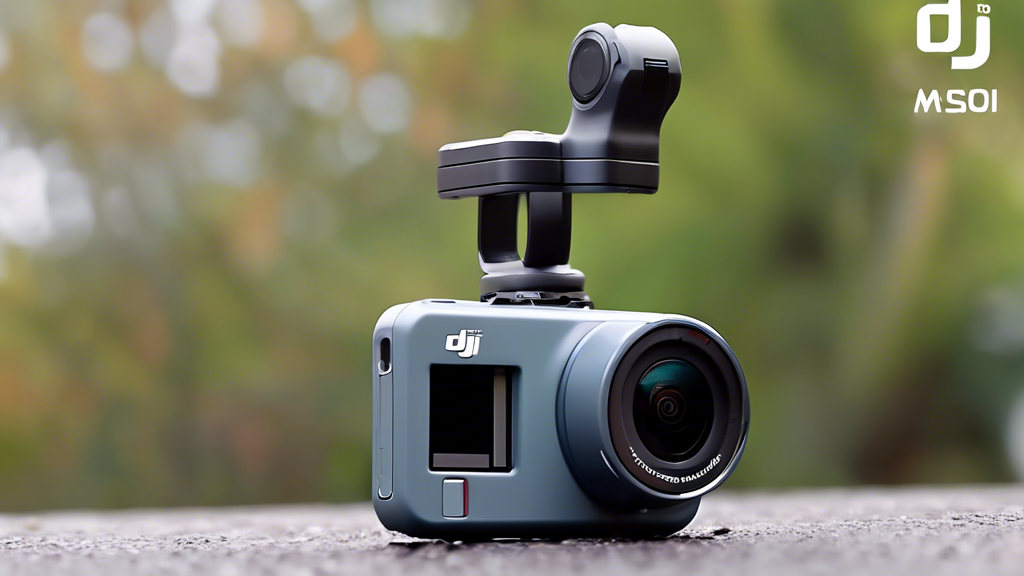
Not all cameras are created equal for evidentiary work. You need specifications that capture definitive detail under dynamic, high-speed conditions.
- Video Quality & Resolution: 1080p at 60 frames per second is the absolute minimum. It provides enough detail for most situations. For undeniable clarity—especially for license plates at a distance or in low light—4K resolution is the professional standard. The extra pixels can mean the difference between “a blue car” and “a blue Honda Civic, license plate XYZ 123.”
- Field of View (FOV): A wide-angle lens (140 degrees or more) is crucial. It captures not just the vehicle in front of you, but also the context: lane markings, traffic signals, and the behavior of surrounding cars. The trade-off is that ultra-wide views can make distant objects like plates appear smaller. Find a balance that captures both scene context and critical details.
- Stabilization: This is non-negotiable. Jerky, bouncy footage is unwatchable and undermines credibility. Electronic Image Stabilization (EIS) or, better yet, in-camera optical stabilization is essential. It produces smooth, steady video that clearly shows a vehicle’s movement, not your handlebar vibrations.
Part B: Mounting & Positioning for Optimal Evidence
The best camera is useless if it’s pointed at the sky. Mounting determines your evidentiary perspective.
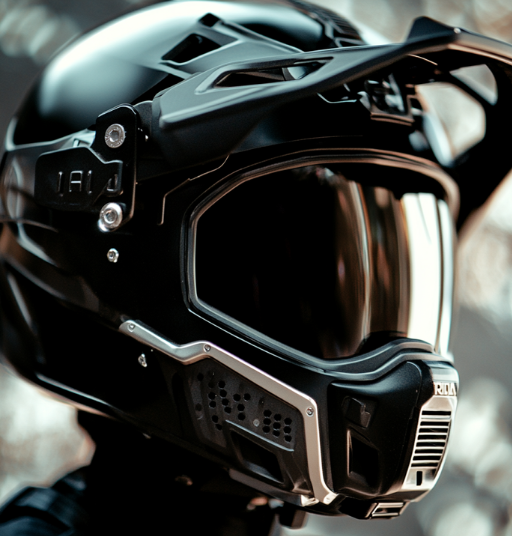
- Helmet vs. Body Mounts: A helmet mount offers the most natural perspective—where you look, it records. This is excellent for showing your line of sight. A chin or side mount is popular. A body or handlebar mount provides a fixed, stable view of the road ahead but doesn’t show where you are looking. For the most comprehensive evidence, many serious riders use two cameras.
- Critical Positioning: Before locking the mount, sit on your bike in your riding posture. Ensure the lens captures a sliver of your own handlebars or windshield. This establishes your vehicle’s position and, if your speedometer is in view, your speed. The bulk of the frame should be the road ahead.
- Securing the Setup: Use anti-vibration pads between the mount and helmet to dampen high-frequency buzz. Ensure all locking mechanisms are tight and consider a safety tether (a small leash from camera to helmet) to prevent losing the camera—and the evidence—in a crash.
Part C: Power & Data Management
Evidence collection fails if the camera stops recording. Your power and storage systems must be as reliable as the camera itself.
| Component | Options & Key Characteristics |
|---|---|
| Battery | Choose a camera with a battery life that exceeds your longest typical ride by at least 50%. For all-day riders, a camera with a USB-C port for external power bank use is critical. Never let a dead battery be the reason an incident goes unrecorded. |
| Recording Mode | Always use Loop Recording. This automatically overwrites the oldest files when the card is full, ensuring you never manually stop recording. Pair this with an Automatic File Save feature (often triggered by an impact sensor or manual button press) that locks the current video file to prevent it from being overwritten. |
| Storage Media | Standard microSD cards fail under constant write cycles. You must use a High-Endurance or Max Endurance card, specifically designed for 24/7 recording in dashcams and security cameras. They withstand extreme temperatures and constant use. |
The Core System: Capturing Court-Ready Footage
Think of your camera as the dashboard of a police cruiser. It must be always on, always calibrated, and managed with a protocol that preserves the integrity of the evidence it gathers.
Pre-Ride Protocol (The “Calibration”)
This two-minute ritual ensures your system is evidence-ready.
- The Checklist: Clean the lens with a microfiber cloth. Verify the memory card is inserted and has free space. Confirm the battery is charged. Crucially, ensure the camera’s date and time stamp is accurate—this is a foundational element of legal evidence.
- Audio Decision: Enable the microphone. Your calm, verbal narration of events (“Red truck, plate Delta-Echo 456, is now tailgating me”) adds immense context and timestamps the incident audibly. Check local laws, but in most public spaces, recording audio you are a party to is legal.
During the Incident (The “Capture”)
When you see reckless behavior, your goal is to capture a complete evidential picture.
- What to Frame: First, the license plate. Get as close and clear as safely possible. Second, the vehicle’s make, model, and color. Third, the dangerous action (swerving, running a light, illegal pass). Fourth, contextual elements like street signs, traffic signals, and lane markings.
- Verbal Commentary: Speak clearly and factually. State what you see: “I am traveling south on Broadway. The silver SUV just ran the red light at the intersection with 10th Street. I am maintaining a steady 35 miles per hour.” This audio log creates a parallel, un-editable record.
Post-Incident Protocol (The “Chain of Custody”)
What you do after stopping is as important as the recording itself. You must preserve the evidence.
- Immediate Backup: As soon as you are safely stopped, transfer the original video file from the camera to your smartphone, laptop, or a secure cloud drive. Do this before you even consider editing or trimming.
- The Golden Rule: Do Not Edit. The original file is your “master.” Any cuts, filters, or enhancements can be used to challenge its authenticity in a legal setting. If you need to highlight a section for police, provide the full original file and a separate note with the relevant timestamp.
- Create an Evidence Log: Write down the filename, date, time, exact location, and vehicle description. This log is your quick-reference guide when you file your report.
Advanced Practices: From Footage to Formal Report
Raw footage is potential energy. Submitting a proper report is the kinetic action that turns it into a force for accountability.
Preparing Your Submission
Police departments are busy. Make your submission professional, complete, and easy to process.
- Contacting Authorities: Research your local police department’s policy. Many now have online portals for traffic complaint submissions. Others prefer you visit a precinct in person. For non-emergencies, use the non-emergency phone line for guidance.
- The Evidence Package: Your submission should include: 1) A brief, factual written statement describing the incident. 2) The original, unedited video file (on a USB drive or via a secure download link). 3) A clear screenshot of the license plate and vehicle at the key moment, with the timestamp visible.
Understanding the Legal Landscape
Knowledge protects you and strengthens your submission.
- Local Laws: A quick online search for “[Your State/Country] dash cam laws” will clarify consent rules for audio recording and the admissibility of video evidence. In most public roadways, there is no expectation of privacy.
- Your Role: You are a witness and evidence provider. Your job is to present clear facts, not to demand specific charges. A well-prepared package allows the traffic enforcement unit to do its job. This systematic approach is what enables large-scale enforcement, as proven when a biker’s helmet camera provided police with the evidence to issue 86 charges of reckless behavior.
Threat Management: Dealing with Confrontation & Legal Questions
Wearing a camera can draw attention. A proactive mindset turns potential threats into managed situations.
De-escalation & Personal Safety
Your safety is always the top priority.
- If Confronted: Stay on your bike if possible. Stay calm and do not engage in argument. You can state, “I am recording for my safety,” but do not debate. If the situation escalates, leave the area. Your camera is already recording; you don’t need to prove it.
- The Deterrent Effect: Often, the visible presence of a camera can prevent aggression from starting. A driver who sees they are being recorded may think twice before escalating road rage into a physical confrontation.
Common Concerns & Proactive Solutions
- Privacy Questions: On public roads, courts have consistently ruled that individuals have a minimal expectation of privacy. You are recording events in a public space, much like a security camera. The intent—promoting safety and accountability—is also a key factor.
- Data Security: Protect your footage as you would any sensitive data. Use password protection on devices and cloud accounts where footage is stored. Be mindful of sharing videos publicly on social media before a legal proceeding is concluded, as it could potentially complicate matters.
The Action Plan: The Responsible Road User’s Calendar
Integrate these tasks into your riding routine to ensure your evidence-gathering system is always mission-ready.
| Phase | Primary Tasks | Focus On |
|---|---|---|
| Weekly | Check battery level; inspect mount security; clean camera lens. | Operational Reliability |
| Monthly | Fully format memory card in-camera; check for firmware updates; perform a full system recording test. | System Integrity & Performance |
| Pre-Long Trip | Fully charge all batteries; clear storage to ensure maximum recording time; verify all settings. | Readiness for Extended Use |
| After an Incident | Secure the original file; write your factual statement; submit the complete evidence package within 24 hours. | Swift, Accurate Reporting |
The Empowered Journey
Mastering the helmet camera is not about vigilante justice. It is about civic responsibility powered by technology. You move from feeling vulnerable to being a documented witness. You transform frustration into actionable data. The process—from selecting hardware with evidentiary specs to submitting a pristine evidence package—empowers you to hold a mirror to reckless behavior. The result is more than personal satisfaction. It is the tangible knowledge that you are making your stretch of road safer, contributing to a culture of accountability, and standing with riders everywhere who choose to be the eyes and ears for a safer driving environment. Your ride becomes a testament to the power of one prepared individual, capable of providing the evidence that can lead to real change.