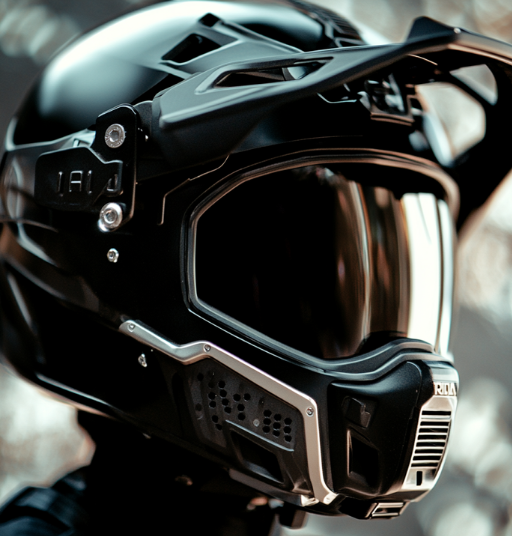
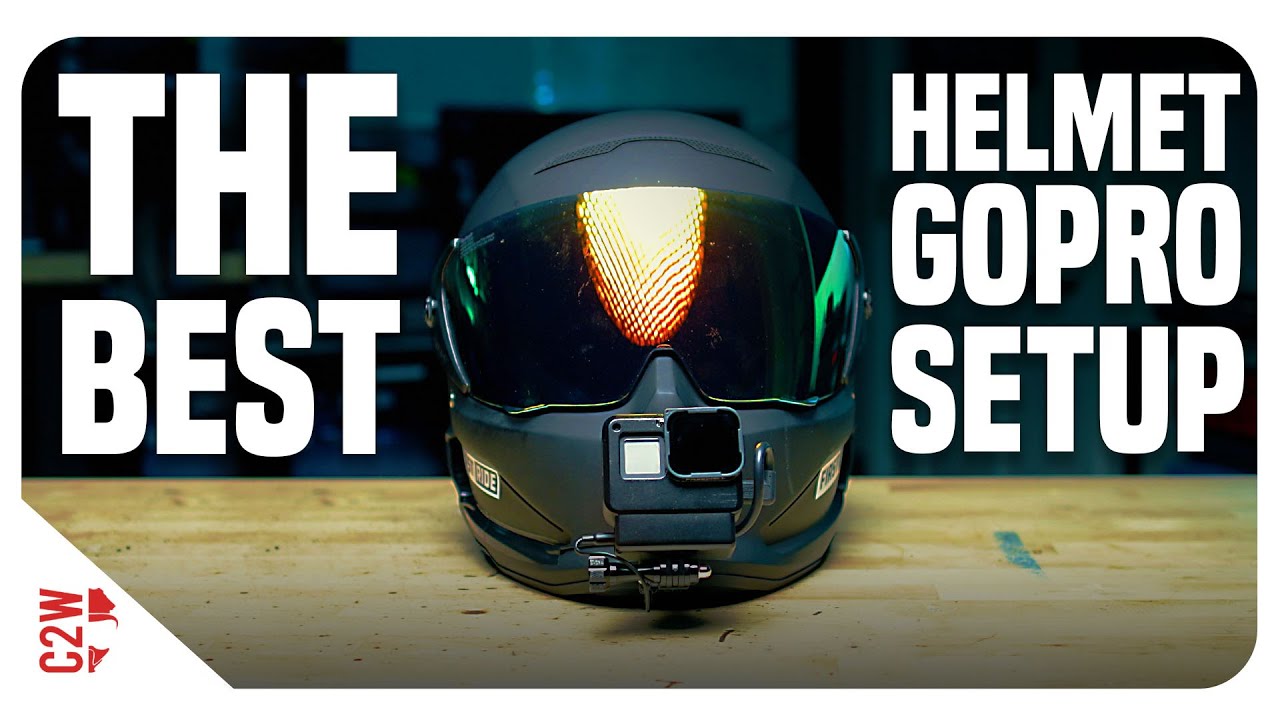
A helmet camera turns every ride into footage you can watch, share, and learn from. Whether you’re a daily commuter who wants protection in case of an incident, an adventure rider documenting remote roads, or a motovlogger building an audience on YouTube, a helmet camera changes how you experience and remember riding. This guide explains exactly what helmet cameras are, how they work, and how to choose the right one.
What Is a Digital Helmet Camera?
A digital helmet camera is a compact action camera or purpose-built device mounted to a motorcycle, cycling, or sports helmet to record point-of-view video footage. The camera captures your perspective — what you see through the visor — creating first-person footage that’s become one of the most popular formats in motorcycle and action sports content.
Modern helmet cameras are waterproof, shock-resistant, and capable of recording in 4K resolution with electronic image stabilization that compensates for vibration, bumps, and camera movement. They’re small enough to mount without significantly affecting aerodynamics and light enough that you don’t feel them during a ride.
The Main Types of Helmet Cameras
General-Purpose Action Cameras
The most common type. Cameras like the GoPro Hero 13 Black, DJI Osmo Action 5 Pro, and Insta360 X5 are designed for any action sport but are widely used for helmet mounting. They offer the best image quality, the widest accessory ecosystems, and the most mount options.
Best for: Riders who want the best image quality and use the camera across multiple activities.
Purpose-Built Motorcycle Cameras
Cameras designed specifically for motorcycle use. Examples include the Techalogic DC-1 (dual-lens front/rear recording) and INNOVV H5 (integrated into the helmet). These prioritise continuous recording, loop recording, and incident detection over cinematic quality.
Best for: Commuters and riders who want always-on safety recording without managing files.
360-Degree Cameras
Cameras with lenses on both sides that capture a complete 360° sphere. The Insta360 X5 is the leading example. You choose your viewing angle in post-production, which allows you to reframe any shot after the fact. A 360° camera on a helmet can simultaneously capture front, side, and rear perspectives from a single recording.
Best for: Content creators who want maximum flexibility and the ability to create dynamic, reframeable footage.
How to Choose a Helmet Camera
Step 1: Define Your Primary Use Case
| Use Case | Recommended Camera Type | Key Feature |
|---|---|---|
| Daily commuting / safety recording | Purpose-built (Techalogic DC-1) | Loop recording, dual lens, simple operation |
| YouTube motovlogging | Action camera (GoPro Hero 13) | 4K quality, HyperSmooth, mic compatibility |
| Adventure touring | Action camera (DJI Osmo Action 5 Pro) | Battery life, waterproofing, dual screen |
| Track days / racing | Action camera (GoPro Hero 13) | 120fps, GPS overlay, proven durability |
| Instagram Reels / TikTok content | 360° (Insta360 X5) | Reframeable footage, invisible selfie stick |
Step 2: Know Your Helmet Type
Your helmet determines what mounting options are available:
- Full-face: All mount options available — chin mount (best), top mount, side mount
- Open-face: Top mount and side mount only; chin mounts require a half-visor extension bracket
- Modular/flip-front: Top mount works well; chin mount requires compatible chin bar adapter
- Half helmet: Top mount only; limited to cameras with compact form factors
Step 3: Set a Realistic Budget
The honest breakdown by budget tier:
- Under $100: Generic no-name cameras — avoid for motorcycle use. Stabilization fails at speed and quality is inadequate.
- $150–200: GoPro Hero (entry-level), older Insta360 GO 2, Techalogic DC-1. Acceptable for commuting and basic documentation.
- $200–300: DJI Osmo Action 3/4, GoPro Hero 12. The value sweet spot — genuine 4K stabilization at a reasonable price.
- $300–400: GoPro Hero 13 Black, Insta360 GO 3S. The best all-round cameras for most riders.
- $400–500: Insta360 X5, DJI Osmo Action 5 Pro. Premium options for serious content creators.
Key Specifications Explained
Image Stabilization
The most important spec for motorcycle use. Modern EIS systems (GoPro HyperSmooth, DJI RockSteady) analyse motion thousands of times per second and digitally compensate. Look for cameras with named stabilization systems — generic “EIS” without a version number usually means basic or ineffective stabilization.
Waterproofing
Look for IP67 or IP68 rating, or the manufacturer’s stated depth rating without a housing. The GoPro Hero 13 and DJI Osmo Action 5 Pro are both waterproof to 10–11 metres without any additional case.
Field of View
Measured in degrees. Wider = more of the scene captured, but more fisheye distortion at the edges. For motorcycle use, 120°–135° (Wide/Linear setting) gives an immersive view without excessive distortion. SuperWide (155°+) is better for action sports where context matters more than accuracy.
Popular Helmet Camera Brands
- GoPro — the original action camera company; widest accessory ecosystem; Hero 13 Black is the current flagship
- DJI — dominant drone manufacturer; Osmo Action 5 Pro has the best battery life in class
- Insta360 — pioneers of 360° cameras; X5 and GO 3S are their flagship action cameras
- Techalogic — UK-based motorcycle specialist; DC-1 is the leading purpose-built motorcycle helmet camera
- INNOVV — motorcycle-specific cameras; H5 integrates inside helmet; K6 is a motorcycle dashcam system
- Sena — primarily Bluetooth headsets; 50C integrates camera and comms in one unit
Getting Started: Next Steps
If you’re new to helmet cameras, the fastest route to the right camera is our AI Camera Recommender — it takes 60 seconds, asks about your helmet type, riding style, and budget, and gives you a specific recommendation with current pricing.
Already know which camera you want? Check our Mount Advisor tool to find the best mount for your specific helmet and camera combination.
Frequently Asked Questions
Are helmet cameras legal?
In most countries and US states, yes — there are no laws specifically banning helmet cameras. Audio recording laws vary by state. Some jurisdictions have specific rules about protruding objects on helmets. See our dedicated legal guide for details.
Will a helmet camera affect my helmet’s safety rating?
Adhesive mounts that bond to the helmet shell can technically void some helmet certifications under strict interpretation. Chin mounts that clamp to the chin bar without modifying the shell generally do not. If certification integrity is critical (racing regulations, insurance), use a mount that doesn’t modify the helmet.
How much storage do I need?
At 4K/60fps, most action cameras record approximately 4–5 GB per hour. A 128GB card gives you 25–30 hours of recording — adequate for any ride. Use a V30-rated microSD card (SanDisk Extreme or Samsung PRO Endurance) to avoid recording errors at high bitrates.
Official resources: GoPro action cameras | DJI action cameras | Insta360 action cameras.