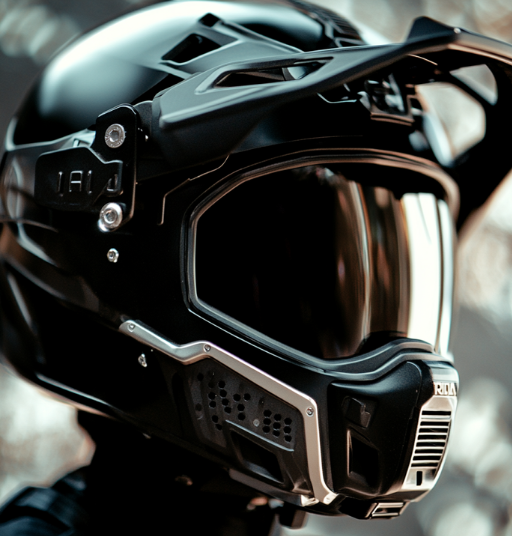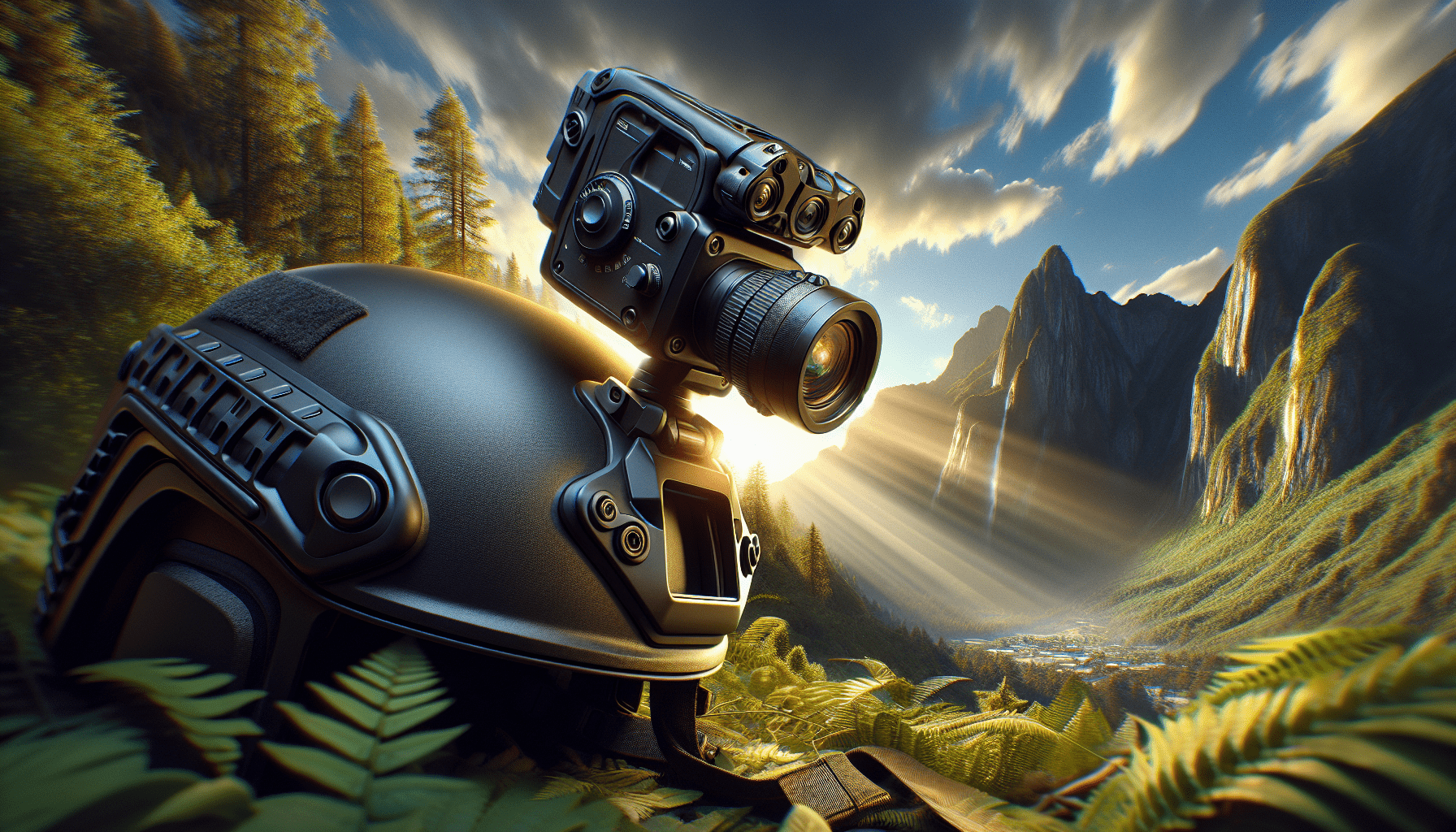
The Unseen Chronicler: Your Helmet Camera as a Force Multiplier
The breach is dynamic, the rappel line sings, the training evolution hits its climax. In that critical moment, your focus must be absolute. Fumbling for a handheld camera isn’t just an inconvenience; it’s a compromise. You miss the shot, you break situational awareness, and a vital perspective is lost forever. This is the fundamental gap between experiencing action and documenting it.
What if your documentation tool saw precisely what you saw? What if it captured every high-stakes detail with immersive, first-person intensity, without ever asking for a hand? This is the definitive promise of the tactical helmet camera. Mastering this tool is the key to unlocking a new dimension of operational documentation, after-action review, and immersive storytelling. It transforms you from a participant into a chronicler, turning chaotic experience into clear, actionable insight.
Building Your Foundation: Hardware That Holds the Line
Your camera and its mounting solution form the critical, non-negotiable foundation. In a tactical environment, the wrong choice doesn’t just fail—it becomes a liability. Your selection must balance durability, performance, and seamless integration.
Camera Selection: Ruggedness Meets Resolution
You face a primary trade-off: indestructible utility versus cinematic quality. Your mission profile dictates the choice.
The ruggedized cube (like an Insta360 GO 3 or a heavily modified GoPro in a protective case) prioritizes survivability. It’s small, lightweight, and can withstand significant impact and environmental punishment. Its strength is reliable, set-and-forget documentation. The high-end imaging unit (like a DJI Action 4 or a dedicated tactical camera) prioritizes sensor performance. It delivers superior low-light capability, higher resolutions like 4K, and advanced stabilization for crystal-clear analysis. Essential features across all choices must include a wide-angle lens (capturing your peripheral view), secure data encryption options, and truly intuitive one-button operation under stress.
Helmet Integration: The Art of Secure Attachment
A poorly mounted camera is worse than no camera at all. It wobbles, snags, and compromises your helmet’s safety profile. The goal is a secure, stable, and low-profile attachment.
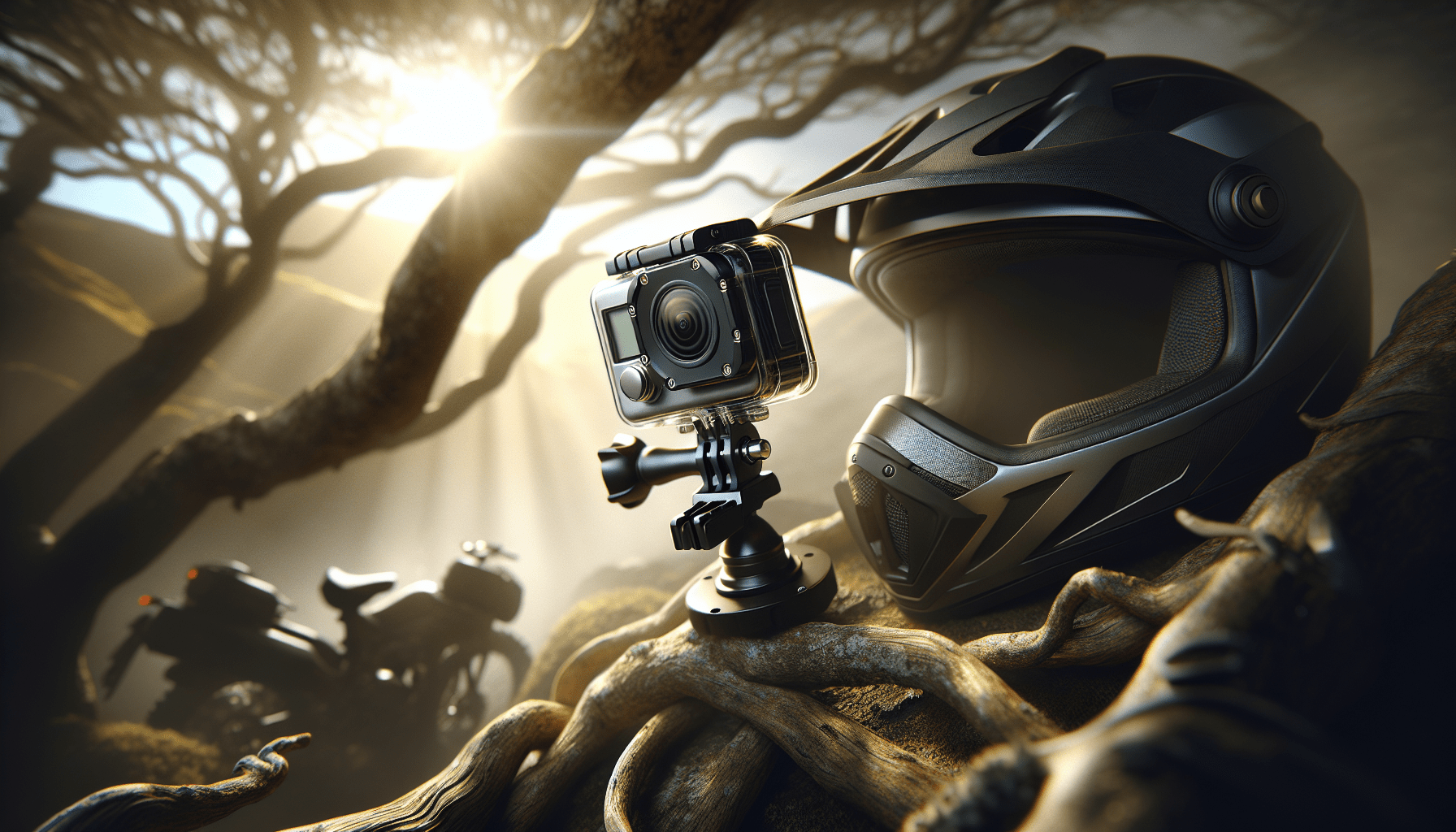
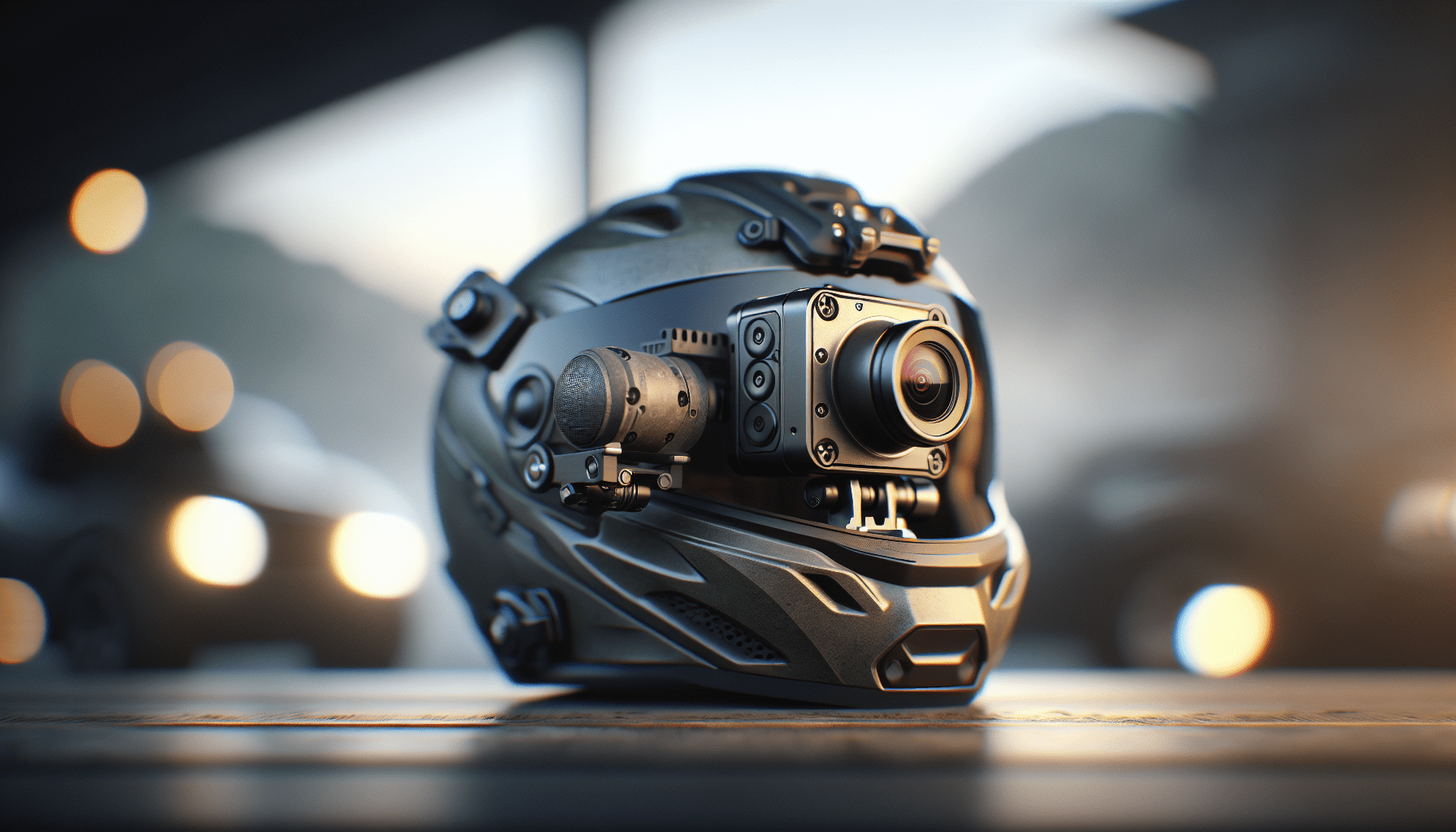
Side-rail mounts offer robust, tool-less attachment but can interfere with ear protection. NVG shroud mounts utilize the helmet’s centerline, providing excellent stability and a natural field-of-view aligned with your head’s movement, but may conflict with night vision devices. Adhesive solutions (using high-strength VHB tape) offer the cleanest, lowest-profile installation but are semi-permanent. Positioning is critical: place the camera high on the helmet to minimize the capture of the helmet’s rim in the frame, and always check the weight balance to avoid neck strain during prolonged wear.
| Component Category | Options | Key Characteristics |
|---|---|---|
| Camera Body | Ruggedized Cube (e.g., Insta360 GO 3) | Ultra-lightweight (35g); Magnetic mounting; Good for covert, low-profile recording; Less robust absolute image quality. |
| Camera Body | High-Performance Action (e.g., DJI Action 4) | Excellent low-light sensor; 4K/120fps video; RockSteady stabilization; Larger form factor requires secure mounting. |
| Mounting System | NVG Shroud Mount | Centered, stable field of view; Excellent for dynamic movement; May block shroud for other devices. |
| Mounting System | Side Rail Clip | Quick attach/detach; Does not interfere with helmet top; Can create lateral imbalance. |
| Power | Internal Battery | Simple and self-contained; Limited by single charge (often 1-2 hours of recording). |
| Power | External Battery Pack | Enables all-day operation; Adds cabling that must be managed and secured. |
Managing the System: Control Variables for Reliable Capture
A helmet camera is not a set-and-forget device; it’s a dynamic recording system. Actively managing its core variables ensures it performs precisely when you need it.
Power and Endurance: The Lifeline of Your Chronicle
Your target is uninterrupted power for the entire duration of your operation. The consequence of failure is a dead camera at the critical moment, rendering the system useless. Simple solutions involve using cameras with swappable batteries and carrying spares in a protected case. For advanced, all-day endurance, integrate a small external USB power bank into your kit, routing the cable securely under your helmet pad or molle webbing. Discipline is key: implement a ritual where charging all camera gear is part of your pre-mission prep, equal in importance to checking your primary equipment.
Data Management and Security: Protecting the Perspective
Your target is secure, organized, and immediately accessible footage. The consequences of neglect are severe: lost intelligence, corrupted files, or a security breach from misplaced media. Your first solution is using high-endurance, name-brand microSD cards designed for continuous recording. The advanced solution is implementing a workflow: use cameras with encrypted recording, establish a strict post-mission routine to download footage to an encrypted, ruggedized SSD, and then perform a secure wipe of the camera’s card. This cadence protects your data and keeps your gear ready.
Environmental Readiness: Conquering the Elements
Your target is clear audio and video in dust, rain, mud, and temperature extremes. Failure means a fogged lens, muted audio, or a system shutdown. Basic solutions include applying a water-repellent coating to the lens and using a small silicone microphone cover to prevent moisture ingress. For advanced preparation, use anti-fog inserts inside the camera housing and conduct a pre-op environmental check. Test your audio in a windy environment; know if your camera will overheat in direct desert sun or freeze in cold weather. Adapt your kit accordingly.
The Craft of Capture: From Recording to Storytelling
Moving beyond simply “turning it on” is where you craft compelling, useful footage. This is the art and science of the first-person perspective.
Preparation: Dialing In Your Settings
Before stepping off, lock your settings to match the expected environment. If you’re moving from bright exterior to dark interior, avoid having the camera constantly hunt for exposure by setting a fixed white balance (e.g., “Daylight”). Choose your resolution and frame rate strategically: use 1080p at 60fps for smoother slow-motion analysis of movements, or 4K at 30fps for maximum detail in static after-action review. Pre-setting these choices eliminates variables and guarantees consistent footage.
In-Field Techniques: Capturing Without Thinking
Develop a secondary layer of situational awareness dedicated to recording. Use voice commands to mark critical moments—a simple “MARK” at the start of a breach or a “CEASE” at its conclusion makes post-mission logging effortless. Use deliberate head movement to signal importance; a slow, panning look at a terrain feature tells the reviewer, “This is significant.” Practice maintaining a stable head position during key actions; a smooth rappel is captured by your core, not by electronic stabilization alone.
Post-Mission Workflow: From Raw to Refined
The work after the operation extracts the value. Efficiently log your footage by reviewing it alongside your voice markers. Tag clips with keywords like “entry,” “patient care,” or “equipment failure.” Use simple editing software to string together key sequences, removing dead space. Understand the narrative: a first-person video should show the problem, the action, and the resolution. This curated perspective is invaluable for training others and refining your own tactics.
Threat Management: Proactive Readiness
Adopt a proactive stance. Your camera system must be as mission-ready as you are. Prevention is your primary weapon.
Prevention is a discipline of maintenance. Perform regular lens cleaning with a microfiber cloth. Check all connection points—USB ports, mount latches—for dust and damage. Apply firmware updates to ensure stability and access new features. Most importantly, conduct a full system functionality test as part of your pre-mission checks: record for 60 seconds, review the footage, check audio.
When problems arise in the field, follow a tiered response. Start with basic physical checks. Is the lens clean? Is the mount tight? Then proceed to resetting the camera or re-seating connections. Your final escalation should be swapping to a backup camera or mount—which is why having a simple, secondary option in your kit is a mark of true preparedness.
| Phase | Primary Tasks | Focus On |
|---|---|---|
| Pre-Mission | Charge all batteries; format memory cards; confirm and lock camera settings (WB, Res/FPS); perform a 60-second system test. | Readiness & Configuration |
| During Mission | Record with stable head movement; use clear voice markers for key events; perform periodic audio checks in noisy environments. | Capture & Stability |
| Post-Mission | Download footage to encrypted drive; perform initial log using voice markers; wipe camera media; inspect gear for damage. | Security & Archiving |
| Weekly/Monthly | Clean all ports and lens surfaces; check mount integrity and adhesive; update firmware; test backup power solutions. | Long-Term Reliability |
The Completed Picture: More Than Footage
Mastering the tactical helmet camera is about mastering a force multiplier for perception. It begins with selecting hardware that won’t fail under pressure, extends to actively managing power, data, and environment, and culminates in the skilled craft of capturing and curating the first-person perspective.
This journey transforms chaotic experience into clear, actionable insight. The result is more than just video. It is an unparalleled tool for professional development, objective after-action review, and team accountability. It preserves the true, immersive perspective of action, enriching your understanding of every operation and ensuring that the critical moment is never just a memory, but a lesson learned and a story told.