Helmet Camera News – Are They Safe? The Definitive Guide to Risk, Responsibility, and Riding
You see the road unwind, a perfect corner approaches, and the vista opens up—this is the moment you ride for, and you want to capture it forever. A helmet camera promises to be your eyes, your witness, your digital co-pilot. Yet, a nagging doubt persists, fueled by sensational headlines and forum debates: does bolting technology to my helmet trade safety for footage?
The answer is not in the fear, but in the mastery. The question of safety is not a barrier, but the essential first gear in a journey toward empowered riding. Mastering the integration of a camera with your helmet is the foundation for capturing your story without compromising the integrity of your most critical piece of safety gear. This guide moves beyond the headlines to deliver the dense, practical knowledge you need to ride with confidence.
Foundational Choices: The Hardware and Helmet Integrity
Your initial decisions form the unshakable base of your setup. This is not about picking the highest-resolution sensor first; it is about choosing a system that respects the physics of protection.
Part A: The Mounting Method Mandate
How you attach the camera is your most significant safety choice. Permanent adhesive mounts, often using ultra-strong tape like 3M VHB, create a secure platform but are the core of the controversy. They modify the helmet shell permanently. The critical rule is to never mount within a helmet’s primary impact zones—typically the crown, temples, and rear. Always place mounts on the chin bar, side, or top where the shell is thickest and curved, following the manufacturer’s specific guidelines if they permit mounting at all.
Part B: Weight and Aerodynamics
Physics doesn’t compromise. Added mass on your helmet increases angular momentum. In a crash, this can exacerbate neck strain. During riding, even a few ounces can cause fatigue and affect stability at high speeds. Furthermore, a poorly positioned camera acts as a sail, creating wind drag that pulls at your head and distracts from control. The goal is always to minimize weight and profile.
Part C: Component Breakdown: Choosing a Safe Setup
Your equipment choices directly dictate risk. Use this comparison to guide your selection.
| Component Category | Options | Key Characteristics & Safety Implications |
|---|---|---|
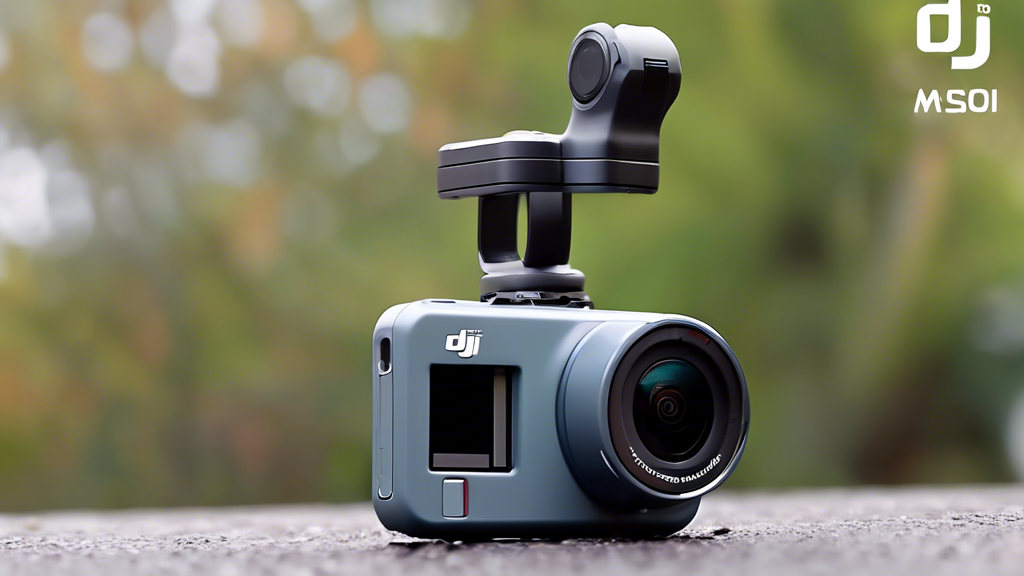
| Camera Form Factor | Traditional Box, Bullet/Cylindrical, Ultra-Compact | Traditional Box: Highest profile and weight. Significant drag. Bullet Styles: Lower profile mounts. Often more aerodynamic. Ultra-Compact Models: Minimize weight and drag dramatically. The safest choice for helmet integrity. |
| Primary Mount Type | 3M VHB Adhesive, Helmet Strap, Chin Mount (specific kits) | Adhesive: Extremely secure but permanent. May void safety certification. Straps: Non-invasive and removable. Can slip or vibrate if not perfectly tight. Chin Mounts: Often bolt to existing helmet hardware (e.g., visor pins). Keep weight central, low, and aerodynamic. |
| Mounting Location | Side, Top, Chin, Chest (alternative) | Side/Top: Highest drag, potential snag hazard in a crash. Alters helmet’s center of gravity. Chin: Most aerodynamic. Centralizes mass, minimizing neck strain. Often the safest helmet-based option. Chest: Removes all helmet risk but limits the true first-person point-of-view. |
The Core System: Mitigation and Proactive Management
Safety is a dynamic system you control. These are the variables you must master to transform a potential hazard into a managed tool.
Control Variable 1: Helmet Certification Integrity
This is the non-negotiable starting point. Organizations like SNELL, ECE, and DOT certify helmets based on their unmodified, tested condition. Any modification, including mounting a camera, can and often does void that certification. The consequence is real: in an impact, the shell may not perform as engineered. Your first action is to check your helmet manufacturer’s official policy. Some explicitly forbid mounts; others approve specific locations. Ignoring this voids your warranty and, more importantly, your assumed protection.
Control Variable 2: Installation Protocol
A secure mount is a safe mount. The process is exacting. Clean the mounting surface with isopropyl alcohol. Apply firm, consistent pressure for several minutes to ensure the adhesive bonds fully. Allow the recommended curing time—often 24 hours—before use. Implement a “tug test” before every ride and a detailed visual inspection weekly. Look for any lifting at the edges of the adhesive, which is a failure point.
Control Variable 3: Ride Psychology
The camera can change the rider. Be ruthlessly honest: are you riding for the experience or for the footage? The “performance for the camera” risk is real and leads to poor decisions. Conversely, use the camera as a disciplined safety tool. Record your rides to review lines, traffic patterns, and your own reactions. This objective feedback loop is a powerful training aid that makes you a more aware, safer rider.
Advanced Practices: The Responsible User’s Strategy
This is the art and science of integrating technology into your riding ritual.
Preparation: Selecting the Right Helmet
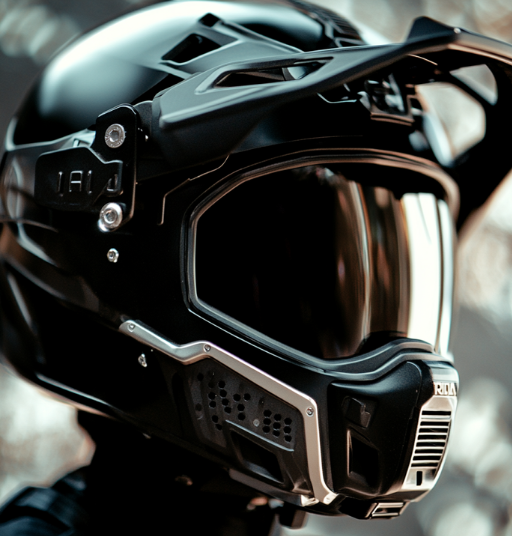
For the dedicated videographer, consider a dedicated helmet. Use an older, certified (but not expired) helmet solely for camera use, preserving your primary lid’s integrity. Explore new options like communication systems with integrated, certified camera pods—these are engineered as a single, safe unit and represent the future of the technology.
Ongoing Inputs: The Pre-Ride Safety Check
Integrate the camera into your standard pre-ride inspection. For motorcyclists, add it to your T-CLOCS (Tires, Controls, Lights, Oil, Chassis, Stands) checklist. Is the mount solid? Is the lens clean? Is the battery charged and secured? Managing battery life prevents the distraction of a dying camera mid-ride and the temptation to fiddle with it while moving.
Selection and Strategy: When to Film and When to Live
Mastery means knowing when the tool should be silent. Advocate for intentional recording. On a familiar commute, perhaps it runs for liability. On a demanding, twisty road or in poor conditions, the mental safety of turning it off to achieve pure, undistracted focus can be the wisest choice. The camera serves you, not the other way around.
Threat Management: Problem Prevention and Solution
Adopt the proactive stance. Your goal is to prevent issues, but you must have a plan for when they occur.
Prevention: The Best Defense
Your baseline is a high-quality, undamaged helmet. From there, quarantine risky behaviors. Never use makeshift mounts like clamps or excessive tape. Avoid over-tightening strap mounts to the point of distorting the helmet liner. Ensure your setup does not block critical ventilation ports, which could lead to overheating and fogging.
Intervention: Addressing the Incidents
If you crash with a camera mounted, the protocol is mandatory: you must replace the helmet. The adhesive or impact can create micro-fractures in the shell foam that are invisible. The helmet has done its job and is now retired. If a mount comes loose during a ride, the procedure is simple and absolute: safely stop to fix it. Do not attempt to adjust it while riding.
The Action Plan: A Rider’s Safety Calendar
This is your phased roadmap to ongoing, confident use.
| Phase | Primary Tasks | What to Focus On |
|---|---|---|
| Before Purchase | Research helmet manufacturer policies; Choose camera form factor based on weight/size. | Informed Decision-Making. Prioritizing helmet integrity over camera features. If the manufacturer says “no,” the answer is no. |
| Installation & First Ride | Execute perfect mount installation; Test setup at low speed in a controlled area. | Security & Feel. Ensuring zero camera movement and personally assessing wind buffeting and weight distribution. |
| Regular Riding | Pre-ride mount inspection; Behavioral self-audit after rides. | Vigilant Maintenance. Preventing complacency. Ask: “Is the camera serving me or distracting me?” |
| Post-Incident or Drop | Immediate helmet replacement; Thorough inspection of camera and mount. | Integrity First. No exceptions, no debates. The helmet’s singular protective capability is paramount. |
The core principle is clear: safety is not diminished by a camera, but by a lack of respect for the helmet’s sacred purpose. The journey from a scary headline to a position of informed control is defined by the choices detailed here. The true transformation is the unparalleled joy of the ride, captured responsibly. It is the confidence that comes from knowing your passion and your protection exist in a perfect, engineered balance. Master this balance, and you master the road—both as a rider and a storyteller.