From Shaky Memory to Cinematic Story: Your Guide to Helmet Cam Mastery
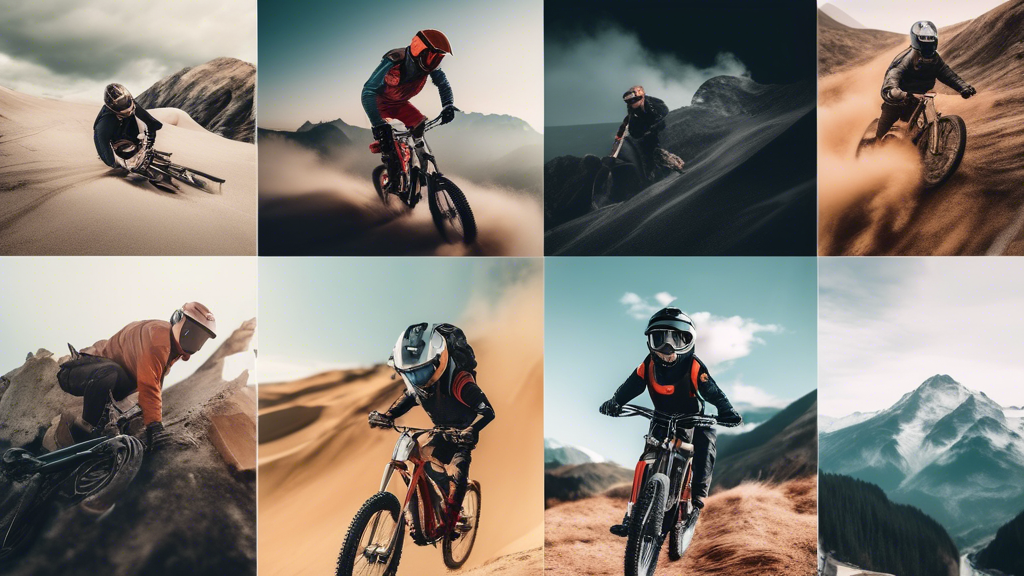
You’re in the zone. The trail blurs beneath you, a perfect line unfolds, and for a moment, everything clicks. Later, you eagerly hit play, ready to relive the magic. Instead, you’re met with a jittery, crooked frame, distorted audio, and a perspective that feels nothing like the ride. The visceral thrill is lost in translation. This is the gap between experiencing an adventure and capturing it.
Mastering the digital helmet camera bridges that gap. This isn’t about strapping on a recorder; it’s about installing a first-person storyteller on your helmet. It’s the foundational key to transforming chaotic action into compelling, broadcast-quality perspective. When you master this system, you stop recording clips and start crafting experiences that make viewers feel the wind, the focus, and the flow.
Building Your Foundation: Choosing the Right Hardware
Your camera and its mounting ecosystem are the unshakeable base of everything. The right choices become an invisible extension of your body, while the wrong ones mean a constant battle with your gear.
Sensor, Shape, and Field of View
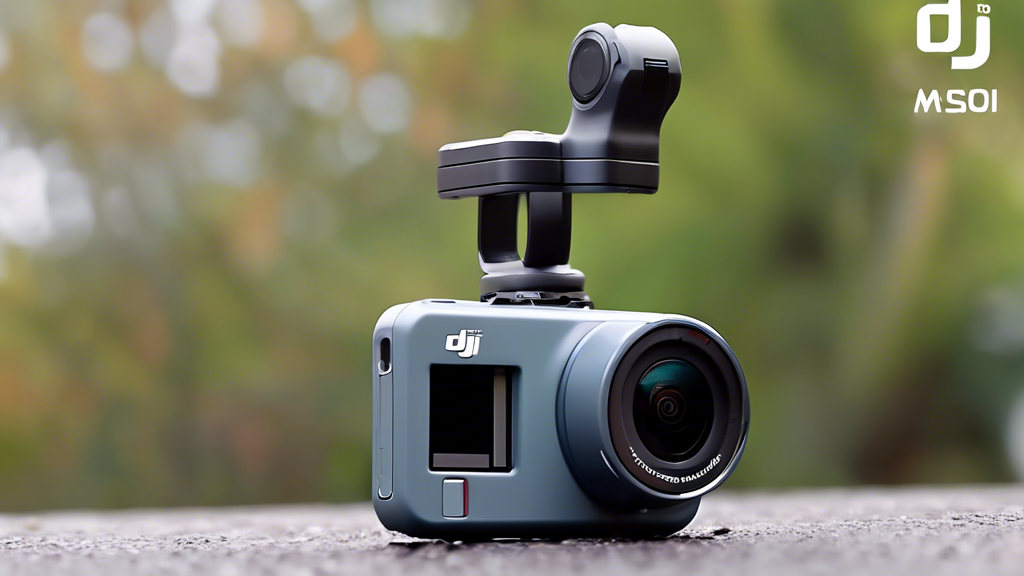
Your first critical choice is form factor. Ultra-compact cylindrical cameras, like the Insta360 GO 3, offer stealth for low-profile activities like climbing or road cycling. Traditional rectangular action cams from GoPro or DJI provide the ultimate balance of rock-solid stabilization, durability, and image quality for high-impact sports.
Next, lock your lens perspective. A wide field of view (like SuperView) captures more of your environment, creating an immersive, “in-the-helmet” feel. A linear or narrow view provides a more natural, cinematic look with minimal distortion, ideal for trail scenes where you want the path itself to be the focus.
The Art of the Mount
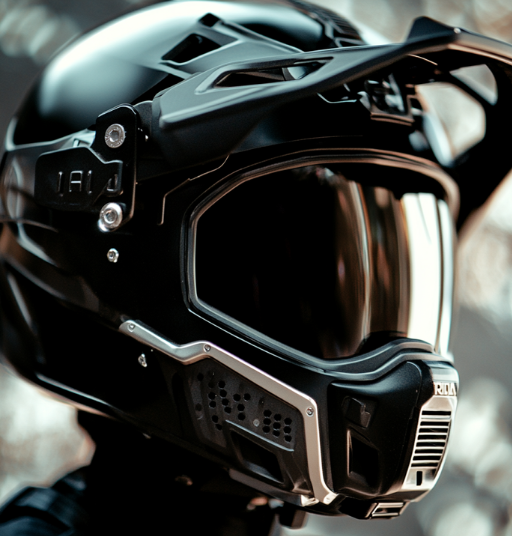
Mounting is everything. Placement dictates perspective. For a natural, head-tracked view, the crown of your helmet or the chin bar (for full-face helmets) is king. Always test with a temporary mount first. Orientation is equally crucial; ensure the camera is perfectly level to the horizon before locking it down. An off-kilter camera ruins otherwise perfect footage.
Your Core Ecosystem
Beyond the camera body, these components complete your professional kit.
| Component Category | Options | Key Characteristics |
|---|---|---|
| Camera Body | Standard Action Cam, Ultra-Compact, 360 Camera | Standard (GoPro/DJI) offers best stabilization & pro features. Ultra-compact sacrifices some battery for invisibility. 360 cameras capture everything for flexible reframing later. |
| Primary Mount | Curved Adhesive, Helmet Strap, Chin Bar Mount | Curved adhesiveStrap mounts are versatile but can shift. Chin bar mounts offer the perfect “visor” view for MTB or motocross. |
| Critical Accessories | Spare Batteries, Anti-Fog Inserts, Housing, Skeleton Door | Spare batteries are mandatory for long rides. Anti-fog inserts are essential in humid/cold conditions. The protective housing is required for impact/water. A skeleton door allows clear audio without wind roar. |
Commanding the System: Core Settings for Control
Think of your camera as a dynamic film studio on your head. Mastery comes from actively managing its core settings, not just hitting record.
Resolution and Frame Rate: Controlling Clarity and Time
This duo dictates visual quality and your ability to manipulate speed in editing. The wrong combination yields choppy slow-motion or massive, unnecessary files.
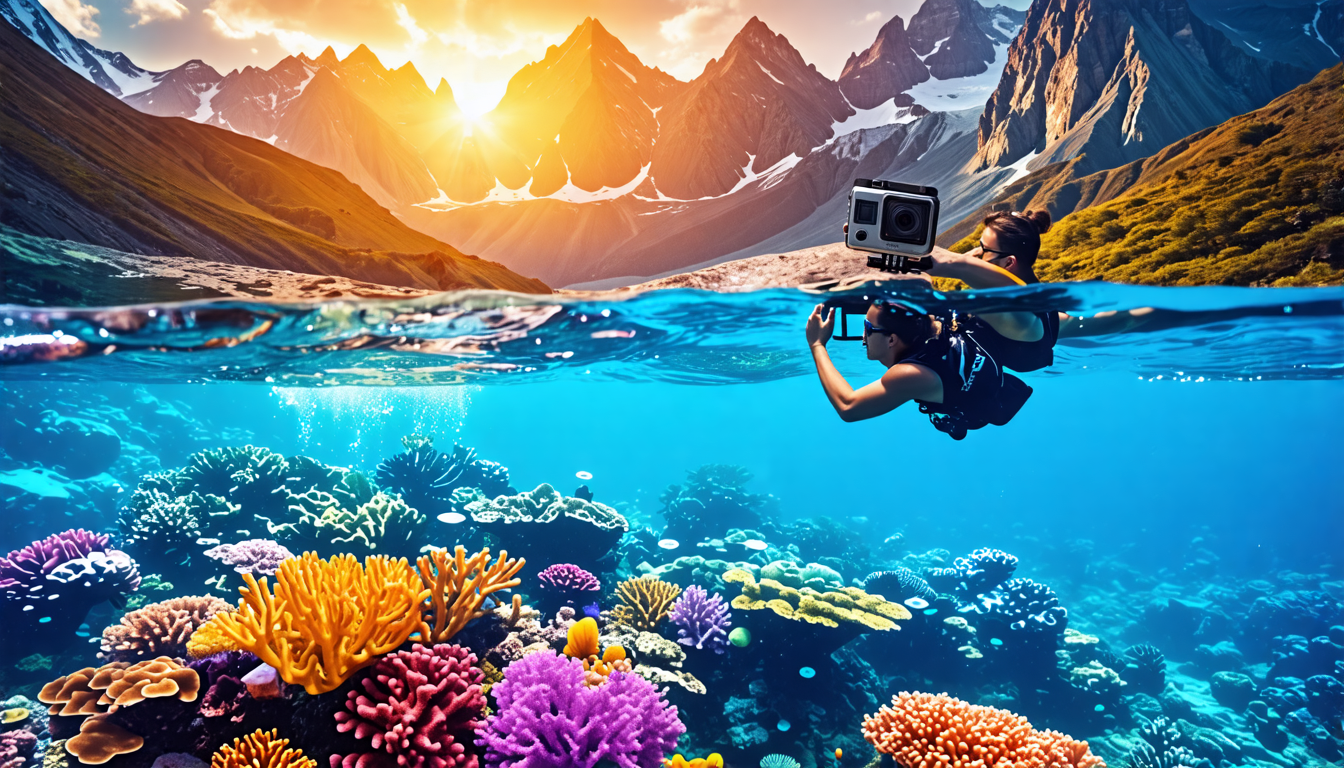
Your Control Method: Use 4K at 60 frames per second (fps) as your primary workhorse. This provides crisp standard playback and allows for smooth 2x slow motion. Reserve 1080p at 30fps for very long, continuous recording sessions. For example, when I tested the GoPro Hero 13 Black, I used 5.3K/30fps for stable, cinematic snorkeling scenes and 4K/120fps to capture the explosive take-off of a mountain bike jump in breathtaking, detail-rich slow motion.
Stabilization: The Non-Negotiable
Your target is horizon-level smoothness, no matter the terrain. Without it, helmet footage is unwatchable.
Your Control Method: Always enable the highest electronic stabilization available—Hypersmooth, RockSteady, etc. This technology is the single greatest advancement in action cameras and is absolutely essential for POV footage. Consider it always on.
Exposure and Audio: Balancing the Senses
Aim for balanced highlights and shadows, and for audio that captures your voice while taming the wind.
Your Control Method: On bright days, set your Exposure Compensation (EV Comp) to -0.5 or -1.0 to prevent skies from washing out. For audio, if using the waterproof case, switch to the skeleton door (open back) for clearer sound. Always use a foam windscreen over the microphone ports; it’s the cheapest and most effective audio upgrade you can make.
The Art of the Shot: Advanced POV Cinematography
This is where you move from documentation to storytelling—the cultivation of your perspective.
The Pre-Ride Ritual
Preparation is everything. Format your memory card in the camera. Insert a fully charged battery and a clean anti-fog insert. Set your preferred default profile so you’re ready to roll at the trailhead without fumbling.
In-Action Discipline
Manage power proactively. For epic days, use a compact power bank with a passthrough charging door. Swap batteries *before* they die to avoid missing the key moment. Most importantly, practice shot discipline. Your head movement is your camera movement. Turn your head deliberately to follow the trail, hold a glance on a scenic vista, and look through corners to guide the viewer’s eye.
Shooting with Editorial Intent
Your POV is powerful, but a story needs variety. Create “helmet cams” by briefly holding the camera in your hand for shots of yourself riding. During breaks, capture 30 seconds of B-roll: a close-up of your bike against a tree, the trail sign, your gloves on the handlebars. These shots are the glue for a compelling edit.
Threat Management: Defeating the Enemies of Footage
Adopt a proactive stance. Your primary adversaries are moisture, dirt, heat, and human error.
The Prevention Protocol
Cleanliness: Wipe the lens with a microfiber cloth before every single ride. Check housing seals for debris.
Inspection: Before mounting, verify all connections are tight. Listen for any rattle that indicates a loose component.
Quarantine: After exposure to saltwater, mud, or dust, rinse the housing with fresh water and dry it thoroughly immediately.
Rapid Intervention Guide
Problem: Fogging inside the lens housing.
Solution: Ensure both camera and anti-fog insert are at ambient temperature before sealing the case. Use anti-fog inserts religiously and replace them when they stop beading moisture.
Problem: Camera overheats and shuts down.
Solution: Remove the camera from direct sunlight when stopped. When conditions allow, run the camera without the sealed waterproof housing to improve heat dissipation.
Your Practical Rider’s Calendar
| Phase | Primary Tasks | Focus On |
|---|---|---|
| Pre-Ride (Every Time) | Clean lens. Check battery & memory card. Confirm settings. Secure mount. | Readiness. A 90-second check prevents total failure. |
| During the Ride (Action) | Power on at start. Use voice commands for photos/stop/start. Capture B-roll during breaks. | Capturing the narrative & intelligent power conservation. |
| Post-Ride (Immediate) | Offload footage. Charge batteries. Rinse housing if wet/dirty. | Preservation of both your data and your gear investment. |
| Weekly/Monthly (Maintenance) | Update camera firmware. Inspect adhesive mounts for wear. Clean microphone ports with a soft brush. | System longevity and accessing the latest performance features. |
The Silent Co-Pilot: Your Transformed Perspective
Mastery is the seamless integration of reliable hardware, disciplined system control, and intentional shooting. It’s the journey from worrying about a crooked mount to instinctively framing a shot with a turn of your head. When this system becomes second nature, your digital helmet camera ceases to be a gadget you remember to bring. It evolves into your silent co-pilot, faithfully preserving every epic descent, every hard-earned climb, and the pure, unadulterated joy of the ride. The reward is more than footage; it’s a rich, cinematic archive of your adventure, crafted with the polish of a pro—a transformation that forever changes how you see and share your world.