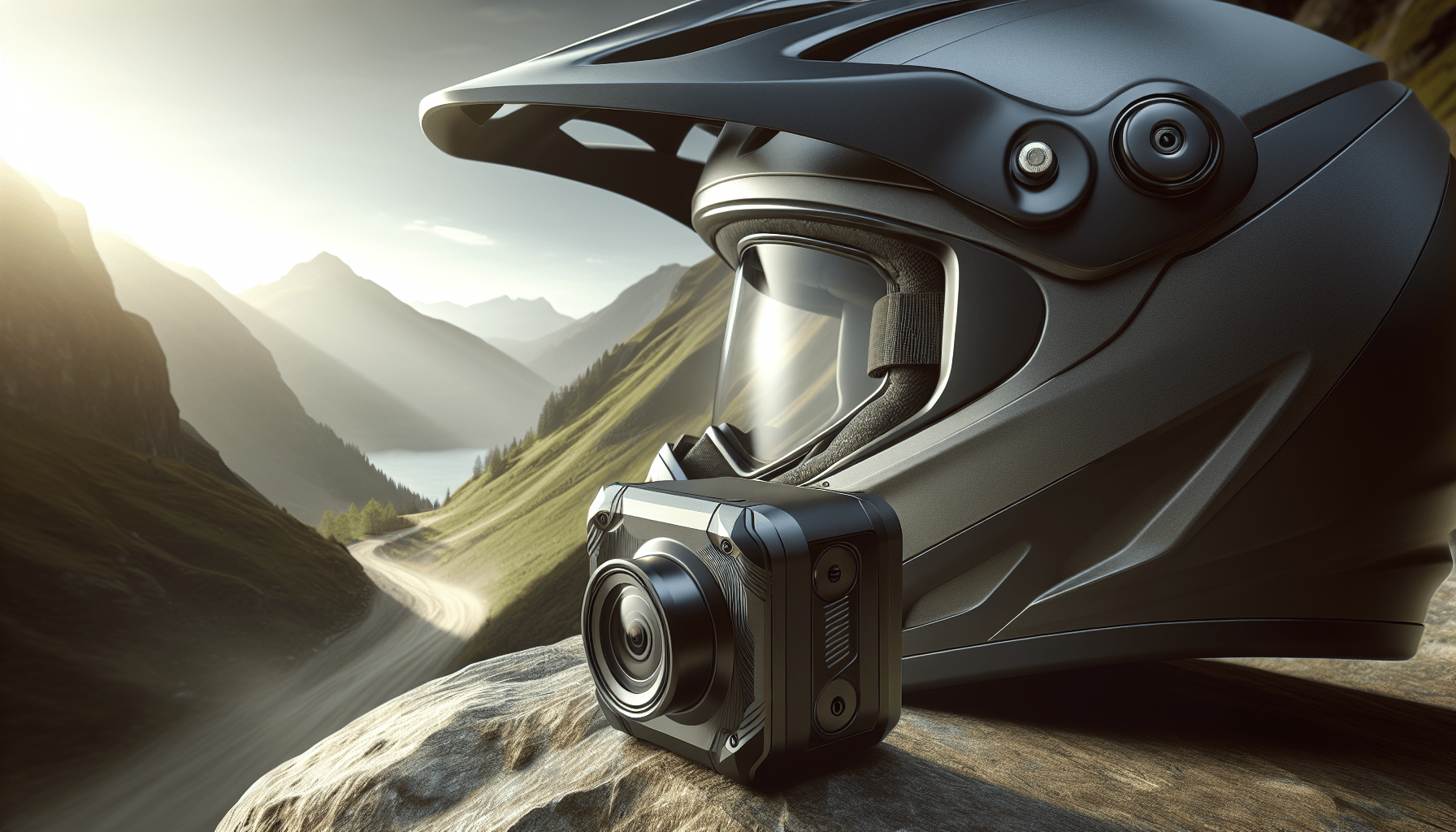
The Helmet Camera as Your Ultimate Action Partner
You crest the ridge, the world dropping away beneath your tires. The wind roars, your heart hammers, and for a moment, everything is perfect. You later relive the moment, only to find the footage is a nausea-inducing, blurry mess that fails to capture even a fraction of the feeling. This frustration ends now. Modern helmet cameras are no longer simple recorders; they are intelligent, ruggedized filmmaking tools engineered to solve these exact problems. Understanding the key features of modern helmet cameras is the non-negotiable foundation for transforming your raw adrenaline into immersive, cinema-quality stories.
Foundational Feature #1: Image Quality & Sensor Performance
This is the bedrock of your footage. It determines the clarity, detail, and versatility of every frame you capture.
Resolution & Frame Rate: Beyond “4K”
Resolution is your canvas size. While 4K is standard, 5.3K or 8K provides immense detail and crucial cropping headroom for reframing shots in editing. Frame rate is your temporal control. High frame rates like 120fps or 240fps are your secret weapon for buttery-smooth slow motion, letting you dramatize a landing or dissect a technical move. Standard 24fps or 30fps delivers the classic cinematic look for most of your story.
Sensor Size & Low-Light Capability
The sensor is the camera’s eye. A larger sensor (e.g., 1/1.9″ vs. a smaller 1/2.3″) captures more light and information. This translates directly to superior performance in low-light conditions—think dense forests, dusk rides, or shaded trails. You get less grainy footage, better color, and a wider dynamic range, meaning you can see detail in both the shadows and the bright sky.
| Component Category | Common Options | Key Characteristics |
|---|---|---|
| Sensor Size | 1/1.9″, 1/2.3″, 1/3″ | Larger sensors (1/1.9″) provide better low-light performance and dynamic range. Smaller sensors keep cameras compact but may struggle in dim conditions. |
| Max Video Resolution | 8K, 5.3K, 4K, 2.7K | Higher resolutions (5.3K, 8K) offer future-proofing and editing flexibility for cropping. 4K is the sweet spot for most viewing. Lower resolutions extend battery life. |
| High Frame Rate (Slow Motion) | 240fps, 120fps, 60fps | 240fps at 1080p creates ultra-smooth slow-motion. 120fps at 2.7K/4K balances resolution and slow-mo effect. Essential for analyzing action or adding dramatic effect. |
Foundational Feature #2: Stabilization: The Game-Changer
This is the single most transformative feature in modern action cameras. It turns unwatchable shake into fluid, intentional motion.
The Evolution to HyperSmooth/RockSteady
Forget the jittery footage of a decade ago. Modern Electronic Image Stabilization (EIS) uses advanced algorithms and cropping to deliver results that rival a physical gimbal. The camera’s processor analyzes motion at high speed and counteracts it in real-time, creating footage so smooth it feels like you’re floating on rails.
Stabilization Modes & Application
Mastering modes is key. Standard mode is for general use, balancing stability and field of view. Boost/High mode applies maximum correction for extreme activities like downhill mountain biking or motocross, with a slightly more cropped view. The pinnacle is Horizon Lock/Leveling. This feature keeps the horizon perfectly flat even if your body rotates 360 degrees, ensuring your footage never looks tilted or disorienting.
Foundational Feature #3: Durability & Form Factor
Your camera must survive the environments that inspire you. Its design dictates how and where you can mount it.
Rugged Design Elements
Look for waterproof ratings without a housing, typically IPX8, allowing submersion down to 10 meters or more. The camera should be shockproof from significant drops and resistant to freezing temperatures and dust. This ruggedness lets you focus on the action, not on babying your gear.
Mounting Ecosystems & Modularity
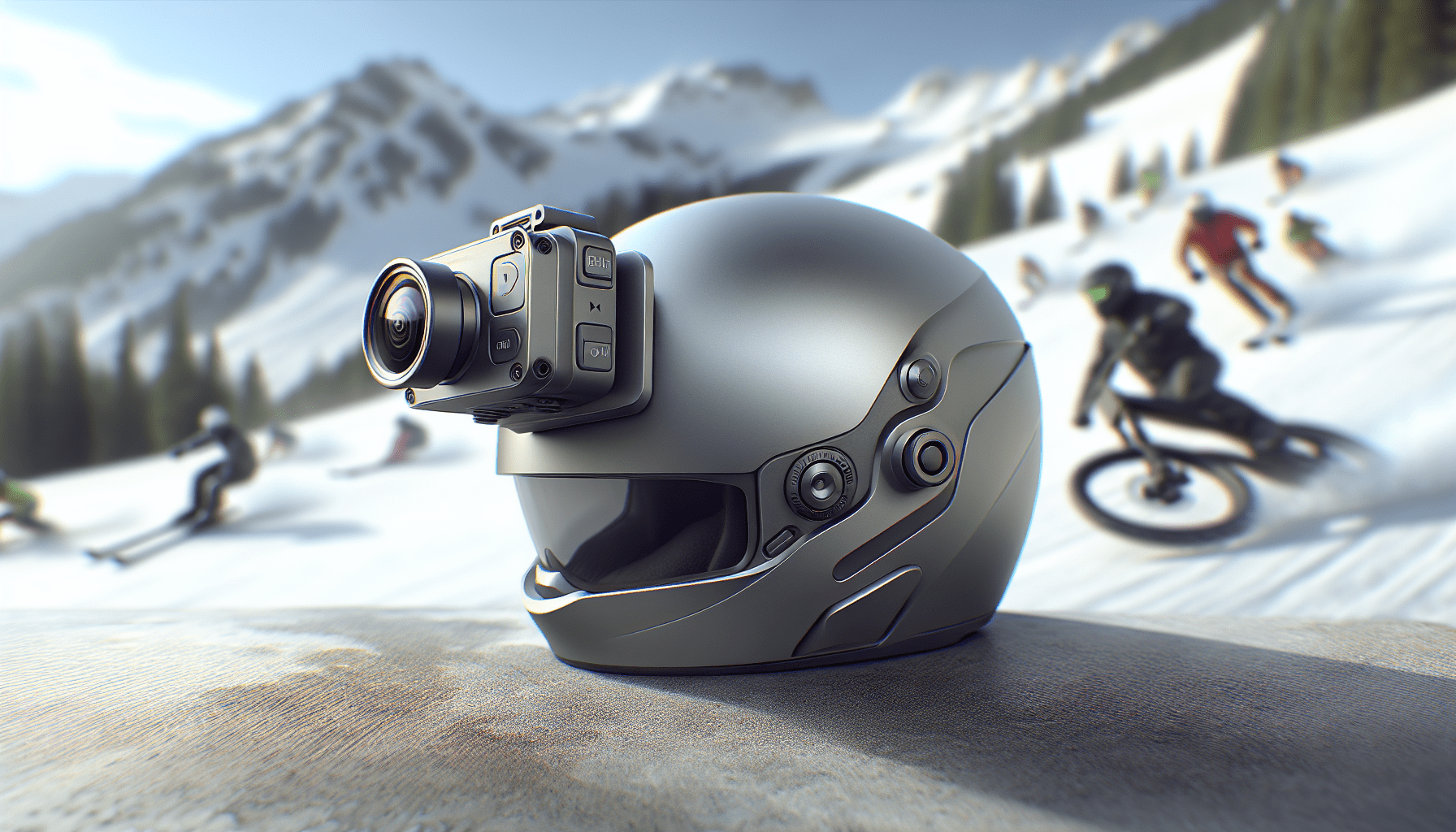
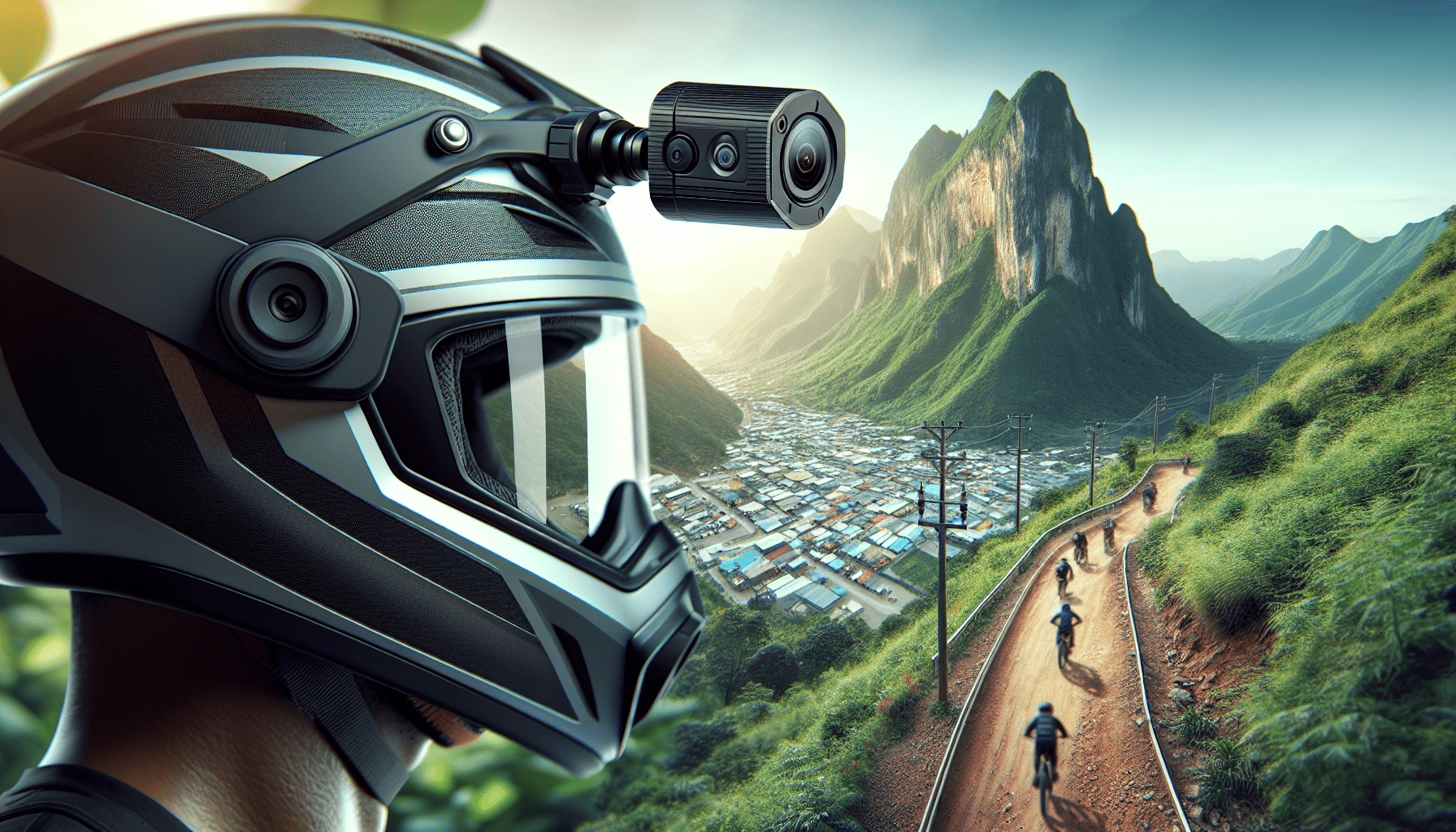
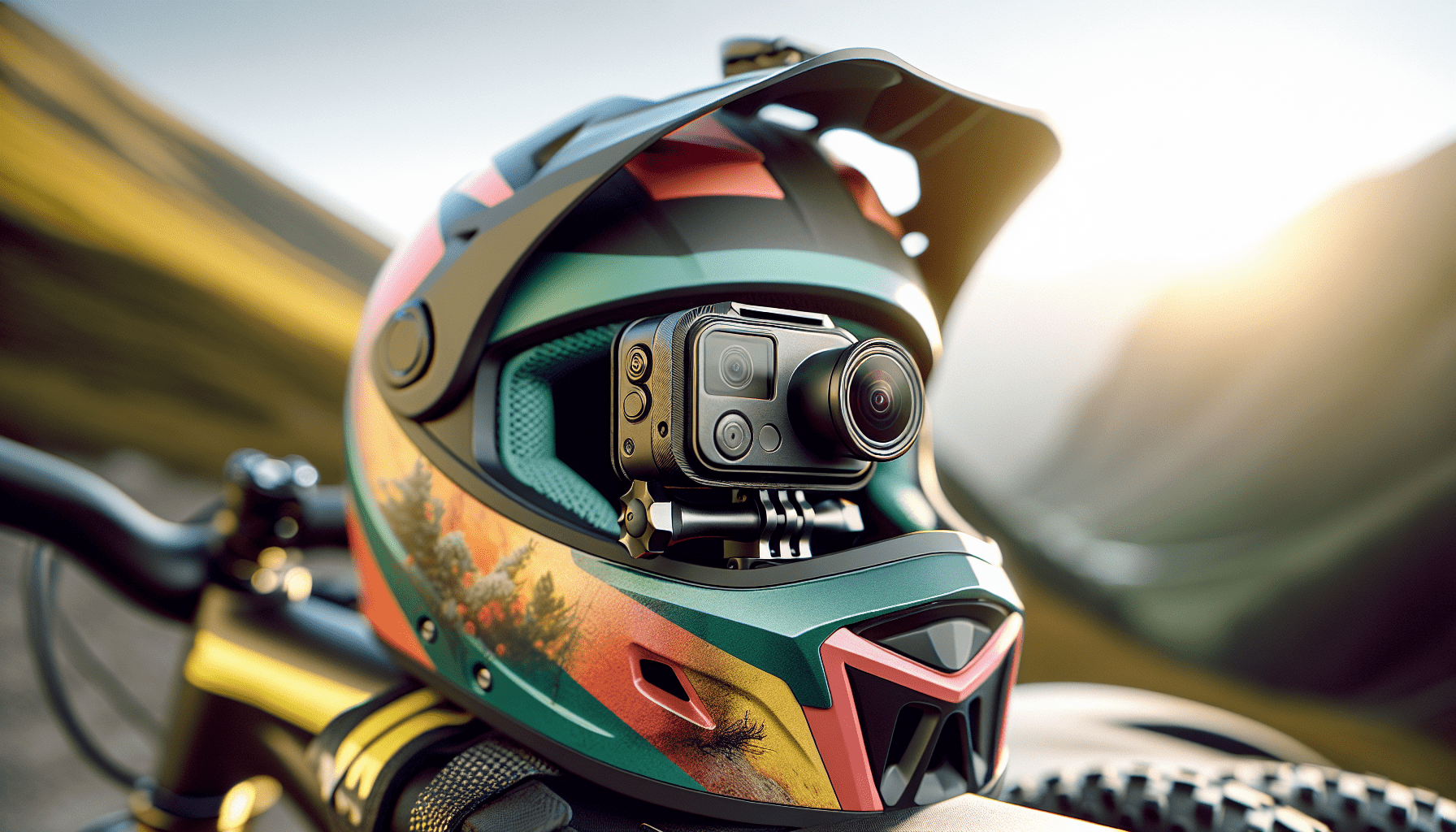
A camera is only as good as its mount. A robust ecosystem featuring strong adhesive mounts, buckle straps, and versatile clips is essential for secure, creative camera angles on helmets, handlebars, or chests. The trend toward modularity is powerful: a core “brain” camera that connects to different rear screens, vlogging displays, or even upgraded lenses offers unparalleled flexibility to adapt to any shoot.
The Core System: Intelligent Control & Usability
When you’re in the flow, you cannot fumble with buttons. The camera must become an extension of your intent.
Voice Control is indispensable. Start/stop recording, take a photo, or change mode with simple commands, all hands-free. Front and Rear Screens with responsive touch interfaces allow for perfect framing and instant playback to confirm your shot. Finally, seamless Wi-Fi and Bluetooth connectivity to a mobile app turns your phone into a live-view monitor, a remote control, and a rapid offload station, streamlining your entire workflow from capture to share.
Advanced Features: Cinematic Optimization
These features elevate your footage from a simple recording to a crafted visual story.
High Dynamic Range (HDR) & 10-Bit Color capture a wider range of light and color data. This preserves detail in bright skies and dark shadows, giving you far more flexibility for professional color grading in post-production. Advanced Shooting Modes like HyperSmooth Timelapse (moving time-lapse), Night Lapse for star trails, and scheduled recording automate complex shots. Don’t neglect Audio Quality. Advanced wind noise reduction algorithms, external microphone adapters, and improved built-in mics ensure your video sounds as compelling as it looks.
Threat Management: Power & Storage
The best footage is the footage you actually capture. Proactive management of power and media is critical.
Prevention: Battery Life & Management
Understand real-world battery expectations, which are often less than rated. Implement a strategy: use power-saving Enduro modes for long days, carry multiple swappable batteries in a protective case, and use external power banks when possible for activities like endurance racing or all-day hiking.
Intervention: Media & File Management
High-bitrate 4K and 5.3K footage creates massive files. You must use high-endurance, high-speed microSD cards (V30 rating or higher) recommended by the manufacturer. Format cards regularly in the camera and develop a routine to offload and back up footage after each adventure to avoid the catastrophe of a full card at the perfect moment.
| Season/Phase | Primary Tasks | What to Focus On |
|---|---|---|
| Pre-Adventure | Charge all batteries. Format memory card in-camera. Check and clean lens. Secure camera on mount. Set desired resolution/stabilization mode. | System readiness. Ensuring no technical failure interrupts the experience. |
| During Action | Use voice commands for control. Glance at front screen for framing. Swap batteries during natural breaks. | Capturing the moment seamlessly. Interacting with the camera minimally and intuitively. |
| Post-Adventure | Offload footage to computer and backup. Review clips for quality. Charge batteries for next use. Clean camera and mounts. | Asset management and preparation. Learning from your footage to improve angles and settings next time. |
Your Vision, Perfectly Captured
Mastering these key features of modern helmet cameras shifts your focus from operating technology to living the experience. The journey begins with choosing the right sensor for your light conditions and harnessing stabilization that erases chaos. It evolves into leveraging intelligent controls for effortless operation and deploying advanced cinematic tools for visual storytelling. The result is a profound transformation: your raw, personal adventures are no longer lost to blurry memory, but are instead rendered as compelling, rock-steady, and breathtaking narratives. The camera disappears, and all that remains is your story, captured with unparalleled fidelity and ease.