From Shaky Mess to Cinematic Mastery: The Mount is Everything
You’ve just finished an epic ride, hike, or climb. Your heart is still pounding as you rush to review the footage, only to be met with a jittery, poorly framed mess. The sheer drop looks tame. The flowing trail feels chaotic. The story you lived is utterly lost in translation. This frustration has a single, most common point of failure. The difference between forgettable clips and breathtaking, immersive content isn’t just your camera’s specs—it’s the critical interface between you and the action: the POV camera mount.
Mastering your POV camera mount is the foundational key to stable, dynamic, and intentional footage. It transforms your camera from a passive recorder into an active storytelling tool, capturing not just what you saw, but how you felt.
Building Your Foundation: Choosing the Right Mount Hardware
Your choice of mount is the literal bedrock of every shot. This decision dictates perspective, dictates stability, and, most importantly, dictates safety. Treat this selection with the seriousness it deserves.
Selection and Sizing: Matching Mount to Mission
Not all mounts serve the same purpose. Your activity defines your ideal setup.
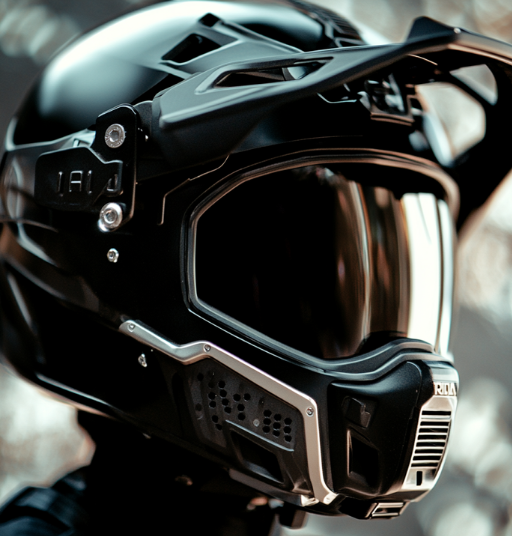
Helmet vs. Chest vs. Chin Mounts: A top-of-helmet mount provides an expansive, “rider’s view” perfect for capturing broad landscapes. A chest mount offers a more stable, torso-level perspective that feels grounded and shows your handlebars or hands at work. The chin mount, popular with cyclists and motorcyclists, delivers a streamlined, first-person view that perfectly frames the trail or road ahead with minimal helmet in shot.
Grip vs. Adhesive Mounts: Use quick-release clamps or straps for flexible, multi-position setups on bikes, poles, or other gear. For permanent, ultra-secure placement on helmets, high-strength adhesive bases are non-negotiable.
Sizing and Compatibility: Always check the curvature rating of an adhesive mount against your helmet. A flat mount on a curved surface creates weak points. Ensure the mounting fingers are compatible with your camera’s socket system.
Location and Setup: The Science of Placement
Where you place the mount is as crucial as which one you choose.
Optimal Positioning for Storytelling: For a narrative that emphasizes speed and destination, center the camera on your chin or visor. To include more of your body language and craft—like a climber’s hand placements—a chest mount is superior. Think about what you want the viewer to feel, and position the lens accordingly.
Securing the Foundation: This is a non-negotiable ritual. Clean the mounting surface with isopropyl alcohol. Apply firm, consistent pressure to the adhesive for a full minute. When attaching the arm, tighten all joints firmly, then give each a final torque check with your fingers. Any wiggle at the source will magnify into disastrous shake in your footage.
Material and Components: A Comparison Table
| Component Category | Options | Key Characteristics |
|---|---|---|
| Base (Attachment) | 3M VHB Tape, Nylon Straps, Quick-Release Clamps |
|
| Arm (Extension) | Rigid Arms, Ball Joints, Flexible Goosenecks |
|
The Core System: Actively Managing Stability and Angle
A POV camera mount is not a set-it-and-forget-it item. It is a dynamic stabilization system you must control. Master these two variables to guarantee professional results.
Vibration Dampening: The Enemy of Clarity
The Ideal Target: Eliminating high-frequency buzz from engines, rough terrain, or machinery to preserve perfect image clarity.
Consequences of Failure: Footage becomes blurry, unwatchable, and strains the viewer’s eyes. Detail is destroyed.
Control Methods: Use rubber isolator pads between the mount and the camera. Choose the shortest arm length that achieves your desired angle, as longer arms act as levers for vibration. Ensure every single connection point—from base to arm to camera—is absolutely tight.
Angle Precision: Framing the Story
The Ideal Target: Framing that captures the action without excessive sky or ground. The horizon should be level, and your primary subject (the trail, your hands, the road) should be centered.
Consequences of Failure: You miss the key action. A climb looks like a view of your feet; a descent shows only sky. The story is lost in poor composition.
Control Methods: Perform a “mock-up” test. Temporarily attach the mount with weak putty or have a friend hold it, record a test clip, and review the angle. Use your camera’s mobile app for a live preview. Once perfect, mark the position with a small pencil line before the final adhesive application.
Advanced Practices: Optimizing Your Mount for Storytelling
Now, shift your mindset. The mount is no longer just a stabilizer—it’s your primary creative tool for shaping narrative.
Preparation and Setup: The Off-Body Ritual
Never assemble and adjust your entire POV camera mount system for the first time while it’s on your helmet. Assemble the base, arm, and camera on a table. Set your desired angle and tighten all joints. This “dry fit” ensures perfect alignment and allows you to understand the geometry before committing to a permanent placement.
Multi-Mount Strategies: The Editor’s Advantage
Professional creators don’t adjust one mount mid-activity; they use several. Apply dedicated, permanent mounts to your helmet, chest, and bike. This gives you multiple, consistent perspectives to cut between during editing, creating dynamic, engaging sequences without ever touching a mount during your ride. Efficiency is a form of creative freedom.
Dynamic Adjustments: Planning for Narrative Shifts
For longer-form storytelling, plan intentional perspective changes. Use a quick-release system to move your camera from a chin mount (for an immersive POV) to a side helmet mount (for a “looking ahead” profile shot) during a calm break. This planned shift visually signals a change in the narrative’s tone or chapter to your audience.
Threat Management: Preventing Catastrophe
A proactive stance here isn’t about quality—it’s about saving your expensive camera from destruction. Your mount is your camera’s lifeline.
Prevention: The Inspection Ritual
Before every session, conduct a five-point check: 1) Run your fingernail around the edge of all adhesive pads, feeling for lift. 2) Check and tighten every pivot joint. 3) Ensure the camera is clicked securely into its socket. 4) Verify the safety tether is looped through a solid anchor point. 5) Clean your lens. For any new mount, perform a “test hang” in a safe environment with the camera tethered, applying gentle pressure to simulate movement.
Intervention: A Tiered Response Plan
Problem: Loose, wobbly footage.
Response: Tier 1: Stop and fully re-tighten every joint in the system, from base to camera.
Problem: High-frequency vibration or “jello effect.”
Response: Tier 1: Add a rubber isolator. Tier 2: Shorten the arm length or switch to a rigid arm.
Problem: Adhesive failure or lift.
Response: Tier 3: Do not re-stick. Carefully remove, clean the surface with alcohol, and apply a brand-new adhesive base. Old adhesive has compromised integrity.
Your Action Plan: A Mount Maintenance Calendar
| Season/Phase | Primary Tasks | What to Focus On |
|---|---|---|
| Before Every Major Session | Inspect all mount joints and adhesives; clean camera lens; ensure safety tether is secure. | Prevention of catastrophic failure. This is a non-negotiable safety check. |
| Monthly / After 10 Uses | Check for adhesive lift; disassemble and clean pivot points of dirt/debris; test quick-release mechanisms for smooth operation. | Maintaining optimal stability and function. Grit in ball joints is a primary cause of slow loosening. |
| Seasonally / Annually | Replace all adhesive bases proactively; inspect nylon straps for fraying; replace any worn rubber isolators; consider upgrading stretched or worn quick-release latches. | System renewal and long-term reliability. Adhesive degrades with time and temperature cycles. Don’t wait for it to fail. |
The Invisible Extension: Where Craft Becomes Instinct
Mastery of the POV camera mount is the relentless pursuit of a perfect balance: rock-solid stability married to intentional, dynamic perspective. It is a journey that begins with the deliberate choice of hardware, deepens through the active management of a physical system, and culminates in the creative confidence to use that system for storytelling.
When your mount becomes an invisible, trusted extension of yourself, a profound shift occurs. You stop worrying about the shot—will it be stable, is it framed right—and start living the experience fully. The camera disappears. What remains is the pure capture of moment and motion. The result is more than footage; it’s a visceral, stable, and profoundly engaging story that you, and your audience, can truly feel. This seamless fusion of experience and expression is the unparalleled reward of the craft.