The Road as a Shared Space, The Cyclist as a Guardian
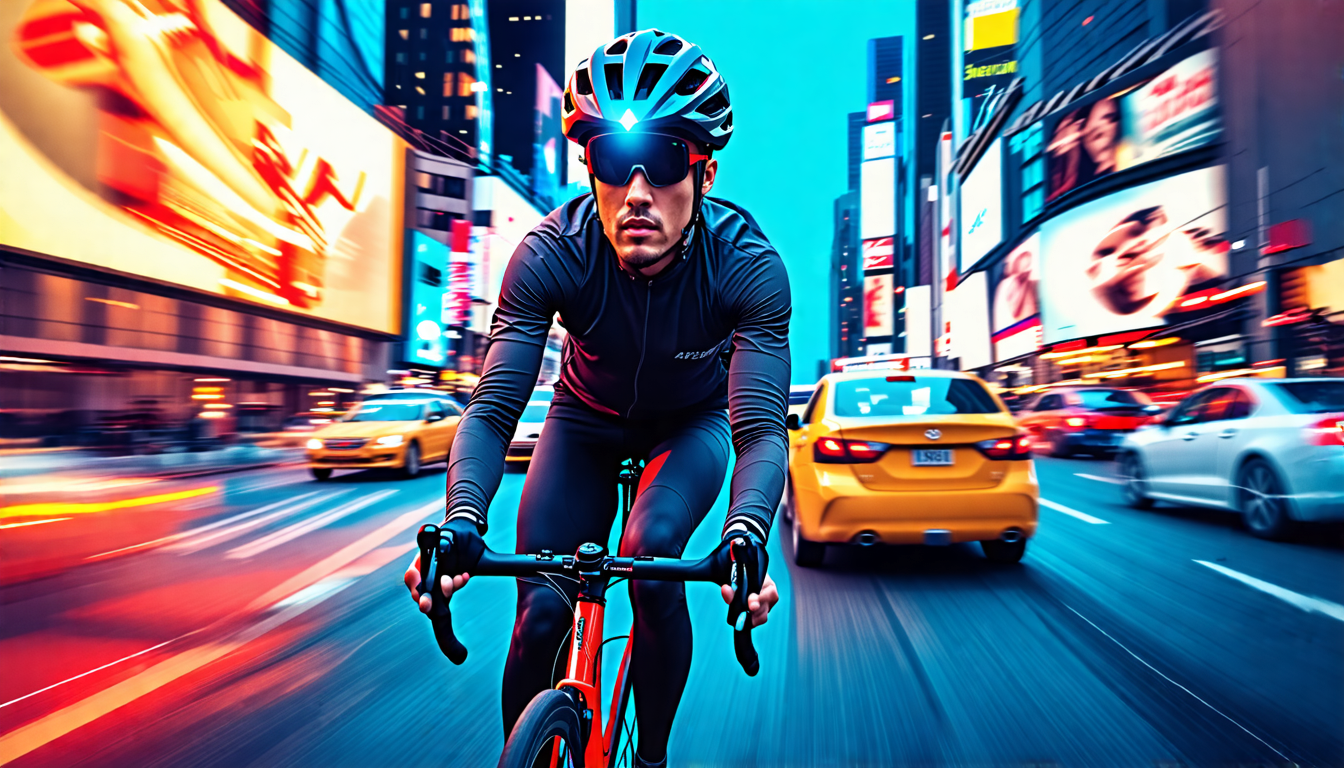
You feel the rush of air as a car passes too close, the handlebars wobble, and your heart pounds. In that moment, you are just a statistic waiting to happen, a near-miss forgotten by everyone but you. This vulnerability, coupled with the daily frustration of watching reckless drivers speed away unchecked, defines the modern cycling experience. But a quiet revolution is rolling onto our streets. Cyclists are no longer just potential victims; they are becoming empowered guardians. By harnessing simple technology and a disciplined sense of civic duty, they are rewriting the rules of engagement on the road.
This transformation hinges on a powerful new archetype: the cyclist aiding in the capture of numerous reckless drivers. This is not about vigilante justice; it is about systematic, evidence-based accountability. Mastering this practice transforms your commute from a passive journey into an active mission, turning personal safety into a powerful force for public good. It is the key to making our shared roads safer for everyone.
Foundational Choices: The Cyclist’s Hardware for Accountability
Your credibility and effectiveness begin with your equipment. Choosing the right tools is not about gadgetry; it’s about building a reliable digital witness that captures court-worthy evidence under the demanding conditions of the road.
Camera Selection & Mounting: Your Digital Witness
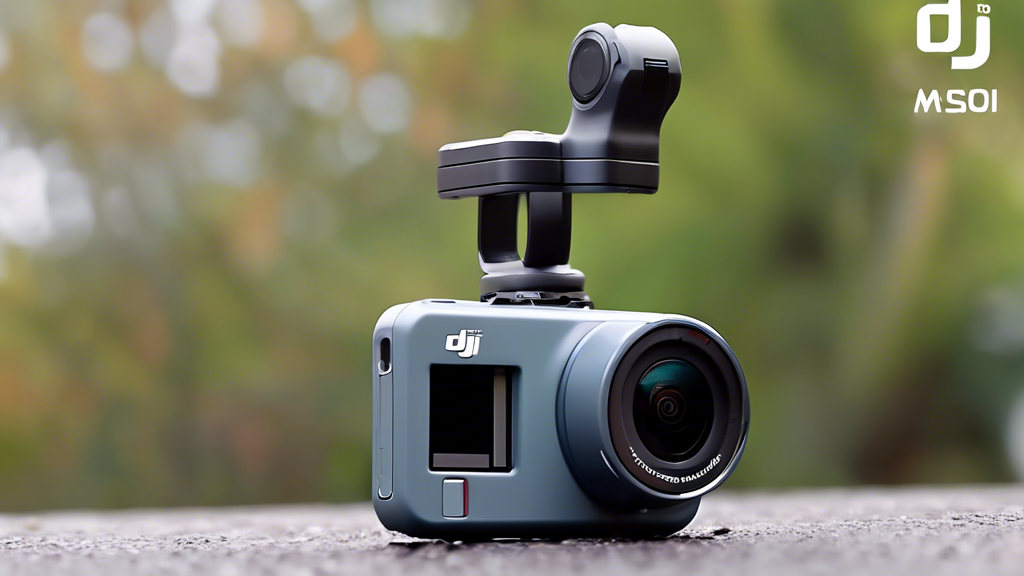
Your camera is your primary sensor. I use a dual-system approach for complete coverage. A handlebar-mounted camera provides a stable, forward-facing view ideal for capturing approaching vehicles and lane positioning. A helmet camera, however, offers critical versatility—it captures where you look, which is essential for recording close passes, driver eye contact, or roadside hazards. Key features are non-negotiable: 1080p resolution minimum, a wide field of view (140+ degrees), and image stabilization to keep license plates readable over bumps. Battery life must exceed your longest ride. Mounting must be rock-solid; a shaky video is a useless video.
Audio & Data Integration: Building the Full Context
Video tells only part of the story. I always verbally narrate critical details onto the recording: “Date is October 26th, turning onto Main Street, silver sedan running the red light.” This creates an indisputable audio log. Furthermore, syncing your camera footage with GPS data from a cycling computer or smartphone app provides an irrefutable record of your speed, position, and the exact time of the incident. This multi-layered evidence package leaves no room for doubt.
Core Equipment for Evidentiary Quality
| Component Category | Options | Key Characteristics |
|---|---|---|
| Primary Camera | Handlebar Mount, Helmet Mount, Rear-Facing | Handlebar: Stable, fixed forward view. Excellent for speed/distance context. Helmet: Dynamic, points where you look. Crucial for documenting driver interaction. Rear-Facing: Captures overtaking vehicles and rear-end threats. Best used as a secondary angle. |
| Audio Source | Camera Microphone, External Voice Recorder | Camera Mic: Integrated and simple. Can be muffled by wind. Use a foam windslip. External Recorder: Higher audio quality. Allows narration without affecting camera operation. Creates a separate, synced evidence track. |
| Data Logger | GPS Cycling Computer, Smartphone App | Cycling Computer: Dedicated device with reliable, continuous logging. Data is easily exported. Smartphone App: Convenient and multi-purpose. Risk of battery drain or app failure. Must be securely mounted. |
The Core System: Protocol and Procedure Management
Hardware is useless without disciplined procedure. Transforming random footage into actionable evidence requires a consistent, methodical system you execute under pressure.
The Capture Protocol
When a violation occurs, your response must be instinctual. First, frame the shot: aim to capture the vehicle’s license plate, make/model, and the dangerous action in a single, continuous clip. Verbally state the date, time, and location for the audio record. Your demeanor is part of the evidence; remain calm, do not gesture or shout, and let the camera do the work. A composed recording is far more compelling than an emotional one.
The Immediate Post-Incident Routine
Within minutes of the event, take action. If your camera uses loop recording, manually lock the file to prevent it from being overwritten. Then, use your smartphone or a notebook to make concise, factual notes: “3:15 PM, 5th & Pine, red pickup, plate ABC-123, passed within 2 feet while honking.” Fresh details are critical for later reporting.
The Reporting Framework
Knowledge is power. Research your local laws: most jurisdictions allow filming in public and accept video evidence. Identify the correct reporting channel—many police departments now have dedicated online portals for submitting dash cam (and bike cam) footage. Have these bookmarked on your phone. Submitting a clear video with a concise, factual statement through the proper channel dramatically increases the chance of official action.
Advanced Practices: Optimization for Maximum Impact
Moving beyond reactive recording transforms you into a strategic agent for change. This is where your personal data becomes a tool for community-wide safety.
Route Intelligence
Become a student of your own routes. Note recurring danger zones: the intersection where drivers consistently block the bike lane, the stretch of road where speeding is rampant. Documenting these patterns over time provides powerful data for infrastructure advocacy, proving that a problem is systemic, not anecdotal.
Evidentiary Standards
Understand what makes footage compelling. Authorities need clarity, continuity, and relevance. A 30-second clip showing the approach, violation, and license plate is ideal. If you need to edit, never alter the core event—simply trim the start and end. Adding on-screen text with the time, location, and a brief description can make the video more digestible for investigators.
Community and Advocacy
The cyclist aiding in the capture of numerous reckless drivers is most powerful as part of a network. Share hotspot information with local cycling groups. Collective data can pinpoint the most dangerous corridors, providing unimpeachable evidence to demand traffic calming, better signage, or protected lanes. Your camera becomes a tool for systemic change.
Threat Management: Safety and Legal Navigation
Your primary goal is always safety. The camera is a tool for accountability, not a shield. Adopt a proactive stance focused on de-escalation and legal awareness.
Prevention & De-escalation
Ride defensively and predictably. Your behavior should be beyond reproach. If a driver becomes aggressive, do not engage. Avoid eye contact, create space, and let them pass. A visible camera can act as a deterrent, but never confront someone with the fact they are being recorded in the moment—this can escalate danger. Your power comes from the subsequent report, not the roadside argument.
Legal & Ethical Intervention
Know your rights. In public spaces, you generally have the right to record. However, focus on capturing illegal behavior, not personal identities. Develop a tiered response plan: first, report dangerous moving violations directly to police. For pervasive issues like illegal parking in bike lanes, sharing edited footage with local community boards or transportation committees can apply public pressure. Reserve media contact for patterns of severe, unaddressed danger.
A Cyclist’s Reporting Roadmap
| Phase | Primary Tasks | What to Focus On |
|---|---|---|
| Preparation | Research local evidence laws. Purchase and securely mount camera(s). Conduct test rides to check angles and audio. | System readiness and legal knowledge. Ensuring your “digital witness” is always operational. |
| Active Commuting | Record every ride. Verbally log incidents. Secure and back up footage post-ride. Maintain a simple incident log. | Consistent evidence gathering and documentation. Building a library of factual observations. |
| Reporting & Analysis | Submit formal reports for serious violations weekly. Review footage to identify geographic and temporal patterns. Share data with advocacy groups. | Driving accountability and systemic change. Moving from individual incidents to pattern recognition and advocacy. |
From Vulnerable Commuter to Guardian of the Lane
The journey from feeling like roadkill to becoming a guardian is defined by a single principle: empowered individuals create tangible accountability. It begins with a camera, is solidified through meticulous protocol, and achieves true impact through strategic community action. You master your hardware, you systematize your response, and you leverage your evidence for the greater good.
The profound satisfaction no longer comes just from arriving safely. It comes from knowing your vigilance has consequences. It comes from the email confirming a driver was cited, or the city’s commitment to study a dangerous intersection you documented. Your commute transforms into a purposeful mission. The road becomes a shared space not just in theory, but in enforced practice, made safer one reported violation at a time by the cyclist who chose to see, to record, and to act.