Top 5 Motorcycle Helmet Cameras for Adventure Riding in 2023: A Comprehensive Review
Capture the Adventure, Not Just the Ride
You crest a mountain pass after hours of challenging terrain. The view is staggering, a reward no photo can truly capture. You later watch your footage—it’s a shaky, wind-blasted mess that fails to convey the scale, the sound, the sheer feeling of the moment. That disconnect ends now. Your helmet camera is more than a recorder; it’s your dedicated storytelling partner, engineered to survive the elements and deliver cinematic proof of your journey. Choosing the right camera is the foundational key to transforming raw footage into compelling adventure narratives. This review of the top five motorcycle helmet cameras for 2023 is your definitive guide to that critical decision.
Foundational Choices: Decoding the Adventure Camera Spec Sheet
Your initial selection criteria form the bedrock of every capture. For adventure riding, certain features move from “nice-to-have” to non-negotiable. We break them down here.
Part A: Core Performance Selection
Image Stabilization is your top priority. Brand names like HyperSmooth (GoPro) or RockSteady (DJI) represent advanced electronic image stabilization (EIS). This technology creates gimbal-like smoothness from a rigid mount, essential for neutralizing the vibrations and jolts of off-road travel. Never compromise on this.
Durability & Sealing are measured by IP (Ingress Protection) ratings. For adventure, seek an IPX8 rating or equivalent, meaning the camera is waterproof to significant depths without a bulky external case. This protects against rain, river crossings, and mud.
Audio Quality separates amateur from pro. Built-in wind noise reduction is vital. More importantly, ensure the camera supports an external microphone adapter. This allows you to capture clear intercom chatter, your own commentary, and rich ambient sound, all while eliminating helmet roar.
Part B: Form Factor & Mounting
Profile & Weight directly impact comfort and safety. A heavy, bulky “cube” on your helmet’s side can create drag and imbalance. Newer low-profile “bullet” designs offer superior aerodynamics and reduce strain on your helmet’s shell and your neck during long days.
Mounting Ecosystem versatility is crucial. A robust system includes strong 3M adhesive mounts for permanent placement, secure clamp mounts for handlebars or crash bars, and flexible straps for chest mounting. Your camera should adapt to multiple perspectives on you and your bike.
Part C: Power & Logistics
Battery Life & Management is about real-world runtime, not lab specs. A camera claiming 90 minutes may only deliver 60 in 4K with stabilization on. Hot-swappable batteries are a game-changer; you can power through a full day’s ride with three charged cells in your pocket.
Storage & Connectivity streamline your workflow. Loop recording can save you if you forget to hit record. Quick offload of clips to your phone via a dedicated app lets you preview and share moments from the trailhead, while a reliable, fast connection is key.
The Contenders: In-Depth Reviews of the Top 5
Based on the foundational criteria above, these five systems define the 2023 market for the serious adventure rider.
1. The All-Round Champion: GoPro Hero11 Black
This camera sets the benchmark others chase. Its HyperSmooth 5.0 stabilization is industry-leading, delivering buttery footage from the roughest trails. The new, taller sensor enables a “8:7” aspect ratio—you can reframe vertical clips for social media and wide shots for YouTube from the same file without quality loss. 10-bit color provides immense flexibility for color grading in post-production. It’s rugged, waterproof to 33ft, and supported by the vast GoPro accessory ecosystem.
Ideal For: The rider who demands the absolute best in stabilization and image quality for dynamic, instantly share-ready footage, and values a proven, comprehensive system.
2. The Low-Profile Specialist: DJI Action 2 Power Combo
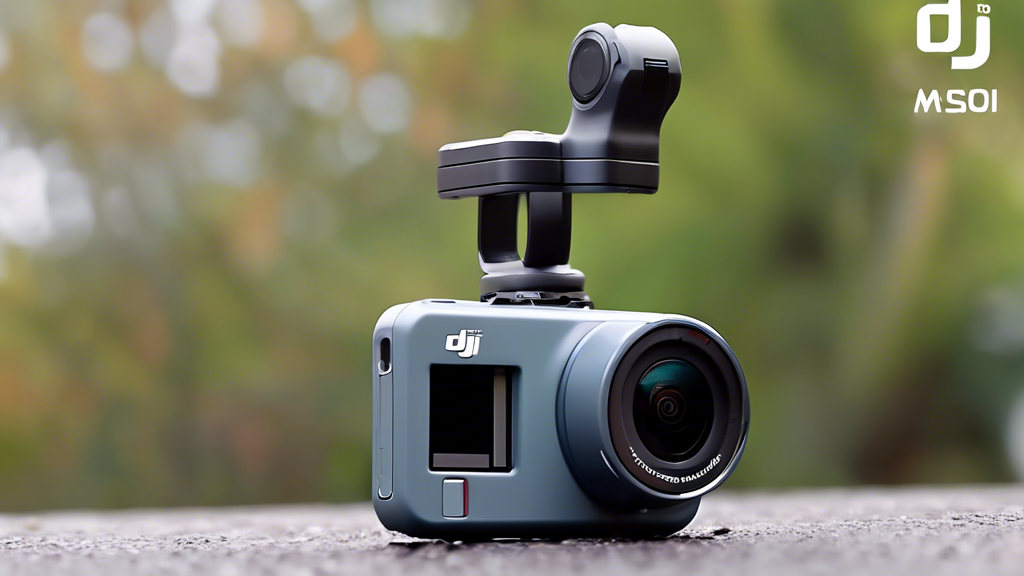
The DJI Action 2 rethinks the form factor entirely. Its ultra-compact main module attaches to your helmet via a powerful magnetic interface, creating a sleek, nearly invisible profile. The included Power Module adds a second screen, extra battery, and microSD slot, hot-swapping seamlessly. RockSteady stabilization is superb, and its audio quality, with four microphones and wind noise algorithms, is arguably the best in class.
Ideal For: The minimalist adventurer who prioritizes a low helmet footprint and sleek design without sacrificing professional-grade stabilization and audio.
3. The Endurance King: Insta360 ONE RS Twin Edition
This camera’s power is its modular flexibility. The Twin Edition includes both a 4K Boost Lens and a 360-degree lens. The 360 lens is the ultimate “set and forget” solution—it captures everything around you, allowing you to choose the perfect framing in editing. The Insta360 app makes this reframing process intuitive and powerful. The system boasts strong battery life and excellent FlowState stabilization.
Ideal For: The creative storyteller who wants “never miss a shot” flexibility and loves the post-production process to find unique, cinematic angles from a single camera mount.
4. The Rugged Workhorse: GoPro HERO10 Black
With the release of the Hero11, the Hero10 becomes a compelling value proposition. It shares the same responsive GP2 processor as the 11, offering snappy performance and excellent HyperSmooth 4.0 stabilization. While it lacks the new sensor’s aspect ratio and 10-bit color, it still records stunning 5.3K video. For riders who want proven, top-tier GoPro performance at a reduced price, the HERO10 is a fantastic buy.
Ideal For: The value-conscious adventurer seeking flagship-level performance from the previous generation, with proven reliability and a huge accessory library.
5. The Value Pioneer: AKASO Brave 7 LE
The AKASO Brave 7 LE proves that capable features are accessible. It offers electronic image stabilization (EIS), 4K recording, and a front-facing color screen—all at a fraction of the cost of a flagship. It comes bundled with a wealth of mounts and accessories, making it a complete out-of-the-box kit. While its stabilization and low-light performance won’t match a GoPro or DJI, it delivers remarkable quality for the price.
Ideal For: The budget-minded rider entering the action cam world, wanting to learn the ropes with solid features and a complete accessory set before a larger investment.
The Comparison Table: Your Decision Matrix
| Model | Stabilization | Durability | Key Adventure Feature | Best For |
|---|---|---|---|---|
| GoPro Hero11 Black | HyperSmooth 5.0 | Waterproof to 33ft | 8:7 sensor for flexible reframing; 10-bit color | The all-round performance champion |
| DJI Action 2 Power Combo | RockSteady | Waterproof to 36ft (main module) | Ultra-low-profile magnetic design; superb audio | The minimalist seeking a sleek helmet mount |
| Insta360 ONE RS Twin Edition | FlowState | Waterproof to 16ft (with dive case) | Modular 360° & 4K lenses; creative reframing | The creative storyteller who loves post-production |
| GoPro HERO10 Black | HyperSmooth 4.0 | Waterproof to 33ft | GP2 processor for fast performance; proven value | Top-tier performance at a reduced price |
| AKASO Brave 7 LE | Electronic Image Stabilization (EIS) | Waterproof to 40ft (with housing) | Complete budget bundle with many accessories | Budget-friendly entry into action cameras |
Advanced Practices: From Recording to Storytelling
Owning a great camera is only half the battle. Mastering its use transforms clips into a narrative.
Mounting Mastery: Perspective is Everything
Chin Mount: Offers a natural, first-person view that follows your head movements. It’s generally the most stable location, closest to your helmet’s pivot point. Side Mount: Can capture more of the bike and your body language but may catch more wind buffeting. Top Mount: Provides a unique, elevated perspective but can be prone to catching branches. For rich storytelling, add a secondary angle. A chest mount captures handlebar action and a stable horizon, while a bar or crash bar mount delivers a thrilling, low-to-the-ground shot.
Settings for the Trail
For most adventure footage, 4K at 60 frames per second (fps) is the sweet spot. It provides crisp detail for landscapes and enough frame data for smooth slow-motion in editing. Use 2.7K or 1080p at 120fps for dedicated dramatic slow-motion shots. If you plan to color grade your footage, activate the camera’s flat color profile (like GoPro’s Protune or a Log format). This preserves more detail in shadows and highlights, giving you greater control in editing software.
Power Management on Expeditions
Always pack at least two spare batteries. For multi-day trips, a compact, high-capacity power bank is essential for overnight charging. You can use a USB-C port on your motorcycle for continuous power, but always use a voltage regulator or isolator to protect your camera from power spikes that can fry its circuitry.
Threat Management: Protecting Your Gear and Footage
Adventure riding is hard on gear. A proactive stance saves your camera and your memories.
Prevention: The Best Defense
Before every ride, conduct a pre-flight check. Securely fasten all mount points—a loose adhesive pad is a lost camera. Ensure your battery is charged and your memory card is formatted with ample free space. Always use a lens protector. A tempered glass or hydrophobic shield is cheap insurance against scratches, mud, and water spots that ruin shots.
Intervention: Field Fixes
Condensation inside the housing can occur with rapid temperature changes. If it happens, remove the camera, open the battery door, and place it in a bag of dry rice or use silica gel packets to draw out moisture. Keep a microfiber cloth in your tank bag to quickly clean lens smudges. Most importantly, develop the habit of backing up your footage each evening. A small portable SSD or laptop ensures a day’s epic ride isn’t lost to a corrupted memory card.
Your Purchase Decision Roadmap
Follow this action plan to move from analysis to ownership with confidence.
- Define Your Budget: This immediately narrows the field. Remember to factor in essential accessories like extra batteries and mounts.
- Prioritize Your #1 Feature: Is it ultimate stabilization (GoPro), a low helmet profile (DJI), or creative, flexible framing (Insta360)? Let this guide you.
- Audit Your Existing Ecosystem: Do you already own GoPro-style mounts? Sticking with a compatible brand can save money and hassle.
- Plan for the Long Ride: Purchase at least one extra battery and a protective carrying case from day one. Consider a versatile mounting arm for unique angles.
Your Adventures, Immortalized
The right camera, chosen with intent and mastered through practice, ceases to be a piece of gear. It becomes a seamless extension of your ride, capturing not just the path, but the feeling—the rumble of gravel, the sweep of the landscape, the focus in your eyes. We’ve moved from understanding the core specs that matter, through in-depth reviews of the top five systems, to the techniques that elevate simple recording to true storytelling. With this tool in your kit, you’re no longer just a rider passing through a landscape. You are its curator, equipped to capture and share the unparalleled joy of the adventure with stunning, visceral clarity. Now, go mount up. The trail—and your next great story—is waiting.