What Is The Difference Between A GoPro And A Regular Camera? The Ultimate Guide to Choosing Your Tool
You’re strapping into a paragliding harness, the landscape sprawling beneath you. Or perhaps you’re backstage, moments before a loved one walks down the aisle. In both scenarios, you raise a camera—but which one? Choosing wrong means a shaky, distorted clip lost to the wind, or a once-in-a-lifetime moment captured with the flatness of a smartphone. This tension between immersion and interpretation lies at the heart of your decision.
Capturing life’s spectrum requires the right tool. A misunderstood choice leads to missed shots, damaged gear, and the hollow feeling that your memories don’t match the experience. Mastery begins not with a brand, but with philosophy. Understanding the fundamental design intent behind each camera type is the key to unlocking flawless footage and profound photographs, transforming you from a passive recorder into an intentional storyteller.
Foundational Design: Purpose-Built vs. Generalist
This isn’t a minor comparison of megapixels. This is about core DNA. One is a specialized scalpel for a specific task; the other is a versatile Swiss Army knife for creative exploration. Your first and most critical choice is recognizing which archetype serves your vision.
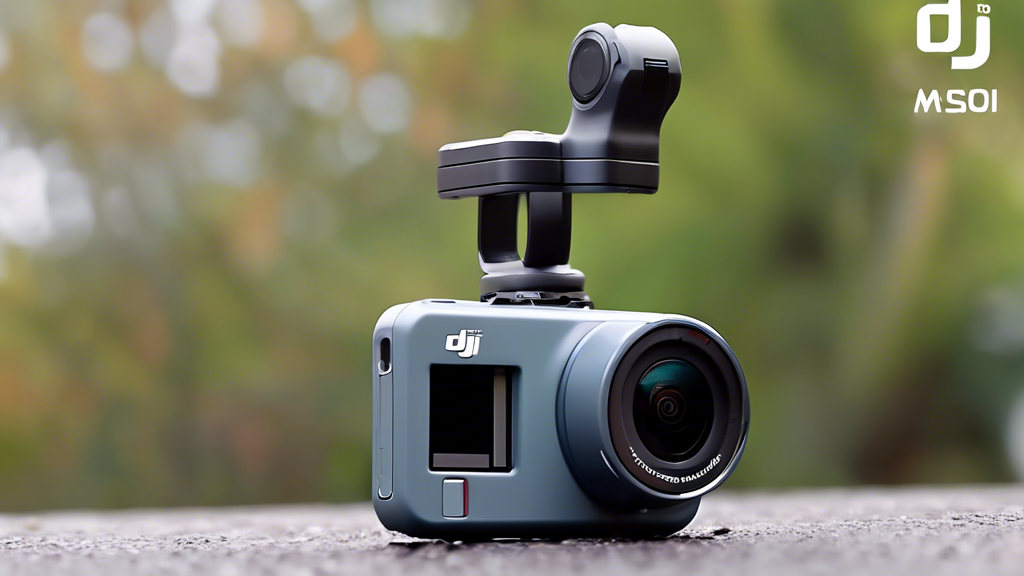
The GoPro: The Action Specialist
Its philosophy is singular: capture the feeling of being inside the moment. Every design choice serves durability, portability, and an immersive perspective. It is a camera built to be forgotten on your helmet until you need to yell, “GoPro, start recording!”
The Regular Camera: The Imaging Generalist
Here, the philosophy is creative control and image fidelity. Whether a DSLR or mirrorless camera, it is optimized for adapting to your vision through interchangeable lenses, large sensors, and manual controls. It’s a precision instrument designed for your hands, not your handlebars.
| Component Category | GoPro | Regular Camera (DSLR/Mirrorless) |
|---|---|---|
| Body & Durability | Built-in armor. Submersible without a case. Tiny, mountable anywhere. Sacrifices ergonomics for indestructibility. | Precision instrument. Requires careful handling. Needs a separate housing for water. Ergonomic grip designed for extended, handheld use. |
| Lens System | Fixed, ultra-wide-angle lens. “Everything in focus” perspective. No ability to change optics. | Interchangeable lens system. Choose from telephoto, wide-angle, macro, and more. The lens dictates the creative look. |
The Core System: Image Capture & Control
How each camera controls light and crafts an image reveals their destined roles. This is where specifications translate into tangible creative consequences.
Sensor & Lens: The Heart of the Image
A GoPro uses a tiny sensor paired with a fixed, ultra-wide lens. This creates a massive depth of field, meaning everything from your handlebars to the distant mountain is in sharp focus. It’s fantastic for immersive point-of-view shots but struggles in low light, where image noise can appear.
A regular camera employs a much larger sensor. Combined with a fast lens, this allows for a shallow depth of field—that beautiful, blurred background (bokeh) that makes portraits pop. The large sensor gathers more light, delivering superior performance in dawn, dusk, or indoors.
Handling & Control Interface
Operating a GoPro is about simplicity. Its physical buttons are minimal; deep settings often live in a smartphone app. It’s built for “set and forget” or voice commands mid-action.
A regular camera is built for tactile, immediate control. Dedicated physical dials for aperture, shutter speed, and ISO put creative adjustment at your fingertips. This interface is designed for on-the-fly changes, allowing you to react to light and motion with precision.
Advanced Practices: Optimization for Your Scenario
Now we move from theory to practice. Mastery is about matching the perfected tool to the specific task, optimizing your setup for the result you envision.
The GoPro Domain: When It Shines
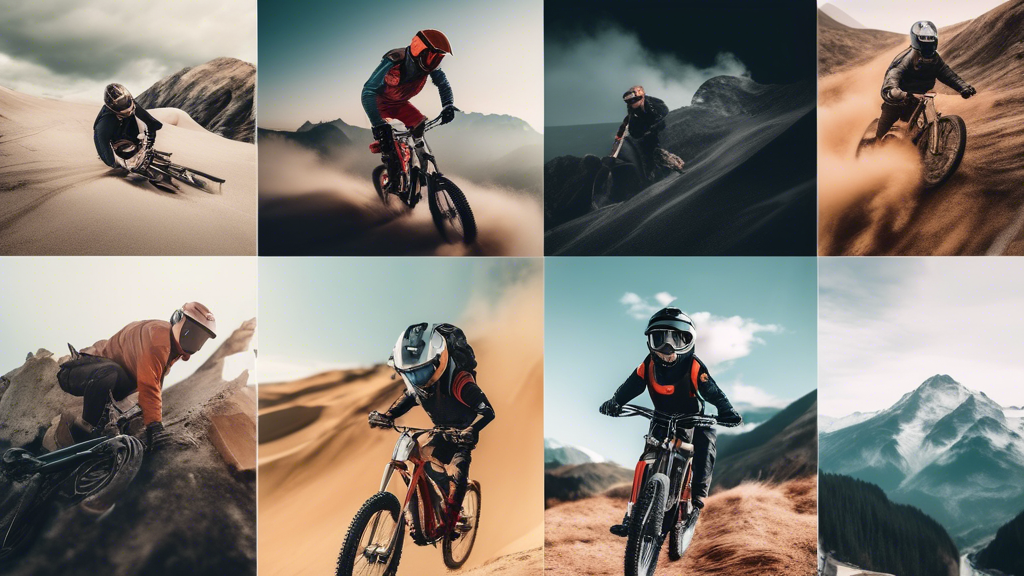
Preparation is about mounting: chest harnesses, helmet straps, suction cups. Your focus is frame rate selection—shooting in 4K/60fps for buttery smooth slow-motion replays of your jump. The goal is hands-free operation, capturing the visceral feeling of the action itself: the spray of mountain bike mud, the carve of a ski turn, the rush of freefall.
The Regular Camera Domain: When It Reigns
Preparation is about lens selection and stability: choosing a fast 50mm lens for portraits, a wide zoom for landscapes, or a telephoto for wildlife. You’ll pair it with a tripod for sharp long exposures. Your focus is on composition, controlling light with manual settings, and achieving a specific, intentional aesthetic—be it a professional portrait, a detailed product shot, or a cinematic short film.
Threat Management: Limitations & Workarounds
The expert anticipates limits. No tool is perfect, but a master knows the workarounds.
GoPro Limitations: The small sensor demands good light. The fixed lens offers no optical zoom. Built-in audio often captures wind and handling noise. Proactive Solutions: Shoot in bright, even light. Use the digital zoom sparingly. For serious audio, add a external microphone adapter.
Regular Camera Limitations: It’s fragile and not weatherproof. It’s bulky and conspicuous for active sports. The learning curve is steep. Proactive Solutions: Use weather-sealed lenses and bodies when needed. Accept that it’s the wrong tool for a helmet mount. Dedicate time to learning exposure fundamentals.
Your Decision Matrix: Choose Your Weapon
| Scenario / Primary Goal | Recommended Tool | Why & Key Focus |
|---|---|---|
| Documenting a scuba dive or a trail run from your perspective | GoPro | Why: Inherently waterproof and rugged. The wide-angle captures your entire field of view. Focus: Secure mounting and enabling stabilization. |
| Capturing professional-looking family portraits or event photography | Regular Camera | Why: Creates beautiful background separation and uses flattering focal lengths. Superior image quality for prints. Focus: Lens selection and mastering natural light. |
| Creating dynamic travel vlogs with a mix of selfie shots and scenic B-roll | Both (Hybrid Use) | Why: Use the GoPro for stable, wide handheld clips and risky shots. Use the regular camera for cinematic, shallow-depth-of-field scenes and interviews. Focus: Syncing workflows and color grading between the two systems. |
The core principle is not “better or worse,” but “specialized versus versatile.” You’ve moved from confusion to clarity, understanding that a GoPro is an indestructible eye in the action, while a regular camera is a painter’s brush for interpreting the action.
When you truly grasp this distinction, you stop forcing a tool to do a job it wasn’t built for. You choose with confidence, capture with intent, and transform from someone who takes pictures into a storyteller who selects the perfect lens for every chapter. The reward is a richer archive of life—a gallery where every memory is captured in its most powerful and authentic form.