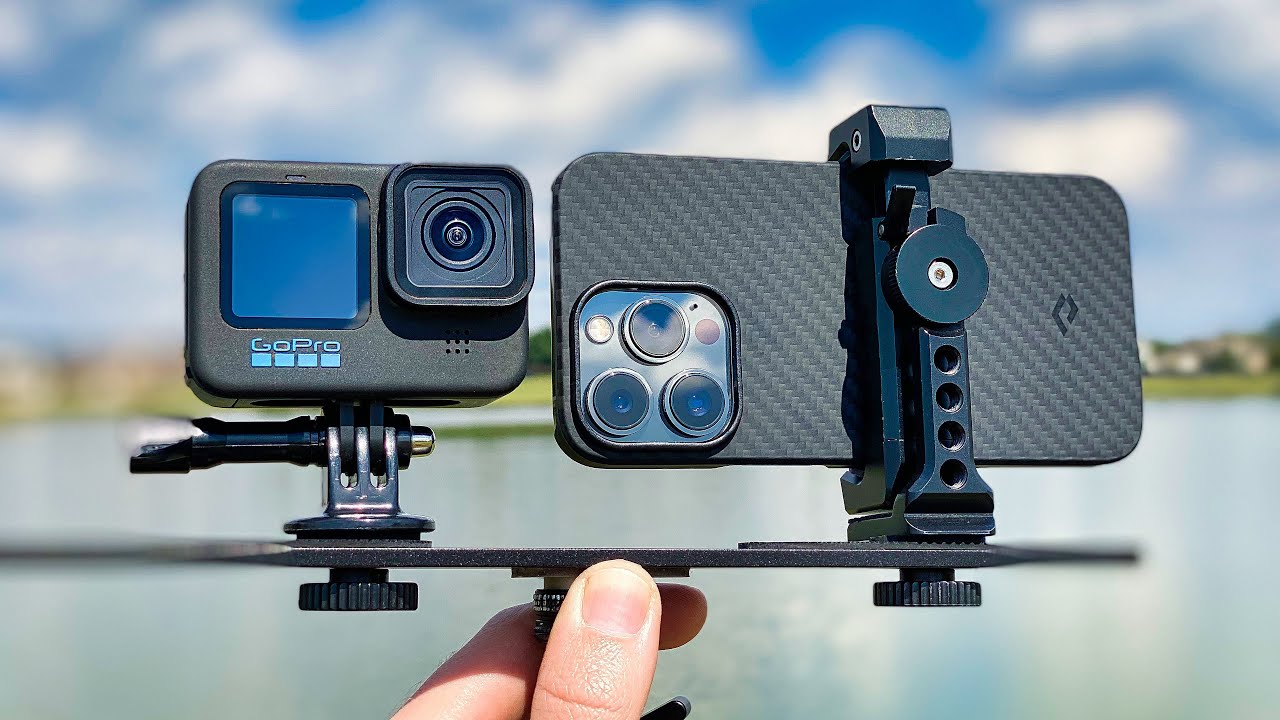
The honest answer depends entirely on what you are trying to do. For helmet mounting during a ride, the GoPro wins clearly. For everything else, the gap is much smaller than GoPro’s marketing suggests. Here’s how the two compare in real motorcycle conditions.
The Case for Using Your iPhone
Modern flagship phones shoot genuinely impressive video. The iPhone 15 Pro shoots 4K120 with Apple’s Log video format. In good lighting conditions, computational photography in a modern phone frequently beats a GoPro on pure image quality metrics. For filming your bike at a photo stop or a short talking-head piece to camera, your phone is an excellent tool you already have with you.
The Case Against Your iPhone on a Motorcycle
Vibration damage
Apple issued a support document in 2022 specifically warning against mounting iPhones to motorcycle handlebars due to engine vibration causing optical image stabilization and autofocus damage. The same risk applies to helmet mounting. GoPro cameras are built for this environment — iPhones are not.
Size and weight
A modern iPhone is approximately 160mm x 78mm x 8mm and weighs around 240g — heavier than a GoPro Hero 13 Black at 154g. On a chin or top mount, that extra weight and larger surface area create aerodynamic drag and affect helmet balance at speed.
Heat and battery
iPhones throttle performance when hot. A phone recording video in direct sunlight during a summer ride while also running navigation will frequently hit thermal limits and stop recording. GoPros are designed to record continuously in outdoor conditions.
Dedicated recording vs multitasking
Using your phone as a helmet camera means it is unavailable for navigation, music, and communication for the entire ride. A separate GoPro leaves your phone free for everything else.
Side-by-Side Comparison
| Test | GoPro Hero 13 Black | iPhone 15 Pro |
|---|---|---|
| Stabilization at 70mph helmet mount | Excellent — HyperSmooth 6.0 | Good but not designed for this |
| Wind noise at motorway speeds | Poor (both cameras suffer equally) | Poor |
| Image quality in bright sunlight | Very good | Excellent |
| Image quality at dusk | Good | Better (larger sensor, Night mode) |
| Battery continuous recording | ~75 min (replaceable) | ~90 min (heats up, non-replaceable) |
| Waterproofing in rain | 33 ft / 10m — no housing needed | IP68 — fine in light rain |
| Helmet mountability | Excellent — designed for it | Poor — too large, no purpose-built mount |
| Vibration resistance | Built for it | Risk of hardware damage (Apple advisory) |
The Verdict
For helmet-mounted riding footage: GoPro wins on practicality, safety, and purpose-fit design. For filming your bike parked or during breaks: your iPhone is perfectly fine and already in your pocket. The two tools complement each other rather than compete.
For the best GoPro to pair with your iPhone workflow, see our GoPro for motorcycle riders guide, or our full best helmet cameras guide to compare GoPro against DJI and Insta360.
Frequently Asked Questions
Can I mount my iPhone to my motorcycle helmet?
Technically yes, but it is not recommended. The size and weight create aerodynamic drag, the vibration creates hardware risk, and using your phone for recording means no navigation for the ride.
Is GoPro video quality better than iPhone?
In most controlled conditions, no — modern iPhones have excellent cameras. In motorcycle-specific conditions (vibration, airflow, continuous recording), GoPro is the more reliable and purpose-appropriate tool.
What does Apple say about motorcycle vibration and iPhones?
Apple published a support document warning that high-amplitude vibrations from high-power motorcycle engines can damage the iPhone camera system. They recommend against mounting iPhones directly to motorcycle handlebars or high-vibration surfaces.
Reviewed by the Digital Helmet Cameras Editorial Team. Comparison based on published GoPro and iPhone camera specifications. Prices and availability change; check current listings.
Official resources: GoPro Hero 13 Black specifications | iPhone 16 Pro camera specifications.