The New Visual Frontier
You crest the mountain peak, the world sprawling beneath you, or carve a perfect line through turquoise water. The moment is pure, electric. You later watch the footage, only to find a shaky, grainy, or blown-out imitation. The emotion is gone, lost to poor exposure, blur, and noise. This gap between experience and recording is the ultimate frustration for an action creator.
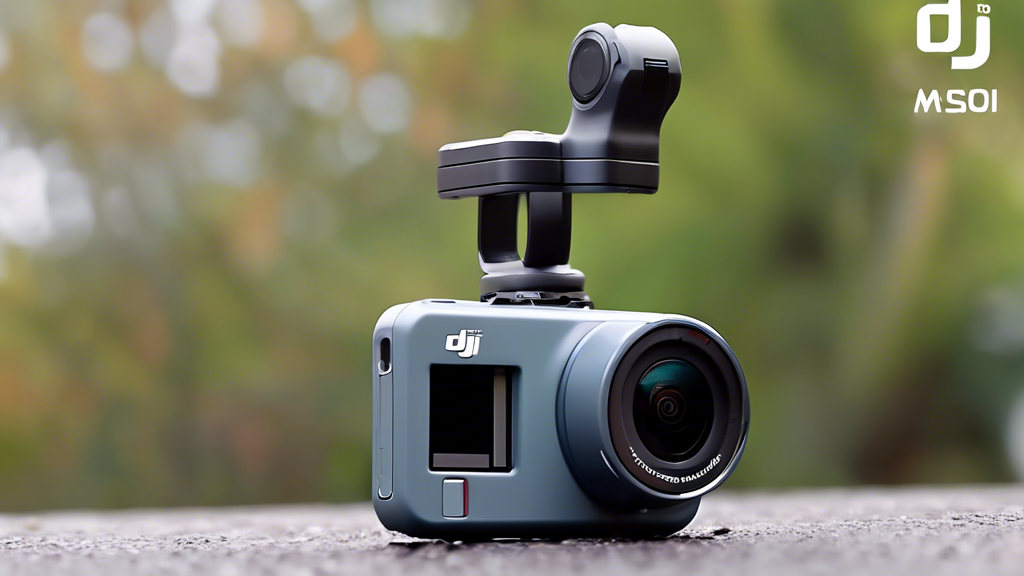
That gap is closed by one thing: exceptional image quality. It’s the difference between a forgetable clip and a cinematic story. It transforms raw adrenaline into art. With the launch of the DJI Osmo Action 5 Pro, the game has changed. This isn’t just another spec bump. It represents a pivotal moment where DJI elevates the action camera market with cutting-edge image quality, establishing a new benchmark that empowers creators to capture their world with unprecedented fidelity.
Foundational Choice: Decoding the “Image Quality” Hardware
Superior footage isn’t accidental; it’s engineered. Your camera’s core hardware forms the unshakeable foundation for every pixel you capture. Understanding this stack is the first step to mastery.
The Sensor & Lens Alliance
Think of the sensor as the canvas and the lens as the brush. Their alliance defines what’s possible. A larger sensor captures more light, improving performance in dawn or dusk. Advanced pixel technology preserves detail in bright skies and dark shadows simultaneously. A wide-aperture lens allows that light to flood in.
The Osmo Action 5 Pro’s specific combination here is its primary weapon. Compared to its predecessors and key rivals, this alliance delivers a tangible leap. You’ll see cleaner shadows in forest trails, more detail in snowy peaks, and vibrant color even in challenging, high-contrast light.
The Stabilization Core
Stabilization is often marketed for smoothness, but its highest purpose is preserving image clarity. A shaky camera produces motion blur, destroying fine detail. Advanced stabilization, like DJI’s RockSteady, acts as a guardian for your image integrity.
It functions like an internal gimbal, isolating the sensor from chaos. Whether you’re landing a mountain bike jump or navigating whitewater, the core visual information remains sharp and stable, ready for you to craft the narrative in post-production.
The Image Quality Stack
| Component | Key Characteristics |
|---|---|
| Sensor | Larger format for superior light gathering; Dual Native ISO technology for cleaner footage in both bright and low light, minimizing noise. |
| Processor | High-speed image processor enabling complex computational tasks like real-time noise reduction, high-frame-rate encoding, and advanced stabilization algorithms without overheating. |
| Lens | Wide aperture (e.g., f/2.8) to maximize light intake; premium glass elements for edge-to-edge sharpness and reduced distortion. |
| Stabilization | Next-gen RockSteady with Horizon Lock; uses a larger stabilization area and smarter algorithms for gimbal-like steadiness that also protects image detail from motion blur. |
The Core System: Managing Your Visual Environment
Great hardware needs a skilled pilot. Mastering these three control variables lets you harness the camera’s full potential in any condition.
Dynamic Range & Color
Target: A balanced image with rich detail in both deep shadows and brilliant highlights.
Consequence of Failure: “Blown out” white skies or featureless black shadows where detail is lost forever.
Your Tools: Activate the 10-bit D-Log M color profile. This captures a wider range of brightness levels and more color information, giving you immense flexibility to perfect exposure and color in editing. Use the camera’s Auto-Exposure Lock during a run to prevent the brightness from fluctuating distractingly.
Low-Light Performance
Target: Clean, usable footage at dusk, dawn, or in shadowy environments, with minimal grain.
Consequence of Failure: Noisy, murky footage that becomes unwatchable.
Your Methods: Trust the larger sensor and pixels to do their job. For the best results, manually set a lower frame rate (like 4K/30fps) in low light. This allows the sensor more time to gather light per frame, significantly reducing noise. Let the camera’s advanced noise reduction work on the rich data it captures.
High-Frame-Rate Clarity
Target: Silky-smooth slow motion that remains sharp and detailed, not soft or muddy.
Consequence of Failure: Slow-motion clips that lack impact because they are low-resolution or blurry.
Your Tools: Utilize high-resolution slow-motion modes like 4K/120fps. Ensure you shoot in bright, even light when using these modes. The faster frame rate requires a faster shutter speed, which needs ample light to maintain a crisp, well-exposed image perfect for dramatic slow-motion sequences.
Advanced Practices: The Cinematic Workflow
Now, shift from capture to creation. This is where you move from documenting an activity to crafting a visual story.
Preparation: Proactive Settings & Profiles
Don’t fiddle with settings on the trail. Before you head out, create and save custom shooting profiles. Save one for “Mountain Biking” with high shutter speed and vibrant color. Save another for “Snorkeling” with a white balance lock and enhanced blues. This turns the camera into a purpose-built tool the moment you power it on.
Ongoing Inputs: In-The-Moment Control
The front touchscreen is your command center. Quickly swipe to adjust exposure compensation if you move from sun to shadow. Use voice commands to start recording or take a photo when your hands are occupied. This real-time control ensures you never miss the perfect shot due to a technical oversight.
Selection & Strategy: Shooting for the Edit
Always shoot with post-production in mind. For any scene where color and mood are crucial, use the flat D-Log M profile. It looks desaturated and low-contrast out of the camera, but it holds all the data. In editing software like DaVinci Resolve, you can color grade this footage with tremendous latitude, pulling out stunning, cinematic looks that a standard profile could never achieve.
Threat Management: Avoiding Image Quality Pitfalls
Protect your image quality proactively. The most common threats are physical and preventable.
Prevention: The First and Best Defense
The hydrophobic lens coating on the Action 5 Pro repels water and oil. Maintain it. Use a microfiber cloth designed for lenses for regular cleaning. For high-impact environments like mountain biking, attach a clear protective filter. This sacrificial glass takes the scratches and impacts, leaving your primary lens pristine.
Intervention: Common Problem Guide
Lens Fog: Caused by moving between extreme temperatures. Solution: Place the camera in a sealed bag with a desiccant pack before transitioning environments.
Sensor Spots/Dust: Appear as fixed blurry dots in your footage. Solution: Use a rocket blower to gently remove dust from the lens and sensor area. Never use compressed air.
Rolling Shutter (Jello Effect): Vertical lines appear skewed during fast panning. Solution: This is a sensor readout limitation. Minimize very rapid side-to-side camera movements, or use a higher frame rate mode which often has a faster readout speed.
Your Action Plan: A Creator’s Seasonal Roadmap
| Season | Primary Shooting Tasks | Image Quality Focus |
|---|---|---|
| Spring | Trail running, mountain biking, climbing. | Managing high-contrast light under forest canopies; using D-Log M to preserve shadow and highlight detail. |
| Summer | Surfing, snorkeling, beach sports. | Highlight retention against water and sand; ensuring color pop and clarity in harsh, direct sunlight. |
| Fall | Hiking, cycling, outdoor adventures. | Capturing rich, warm colors; excelling in the softer, golden-hour light typical of the season. |
| Winter | Skiing, snowboarding, cold-weather travel. | Perfect exposure for bright white snow without losing texture; maintaining accurate color balance in blue-hued environments. |
The Vision Realized
Mastery of action cinematography is, at its core, the mastery of image quality. It is the conscious control of light, color, and stability to tell a compelling story. Your journey begins with understanding the formidable hardware of the Osmo Action 5 Pro—its sensor, lens, and stabilization core. It advances through the deliberate management of your visual environment, harnessing dynamic range, and conquering low light. It culminates in a cinematic workflow where every setting is intentional, every shot is protected, and every season presents a new canvas.
This is the transformation. Wielding a tool where DJI elevates the action camera market with cutting-edge image quality means the intensity of your experience finally matches the power of your footage. The frustration of poor captures is replaced by the profound satisfaction of reliable, professional results. Your adventures are no longer just remembered; they are felt, seen, and shared in their full, breathtaking glory. This is the new standard. This is your story, captured.