![Best Helmet Camera in 2022 [5 Picks For Bicycles, Motorcycles & More]](https://digitalhelmetcameras.com/wp-content/uploads/2022/11/best-helmet-camera-in-2022-5-picks-for-bicycles-motorcycles-more-L93c47U9r6o.jpg "Best Headcams for Motorcycle and Action Camera Use 1")
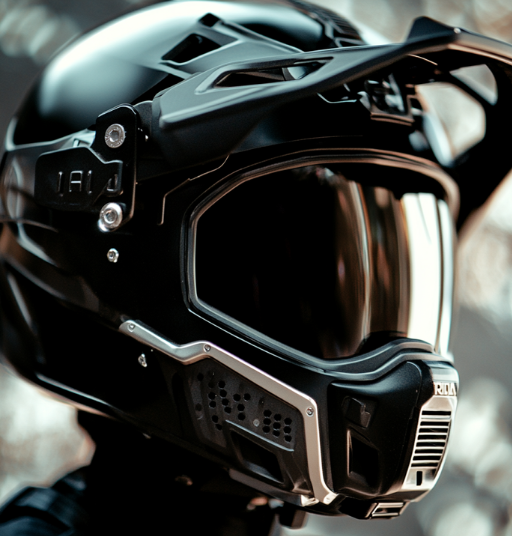
The term “headcam” (also written head cam or head camera) refers to any small video camera worn on or attached to the head, typically mounted on a helmet. For motorcycle riders, cyclists, skiers and action sports athletes, a headcam provides a first-person POV recording of the activity. This guide compares headcam options for each use case using published specifications and manufacturer documentation. We have not independently lab-tested these cameras.
Updated September 2026. We re-checked the manufacturer sites for the current lineup; see “Newer models” below.
What Makes a Good Headcam?
The right headcam depends on what you are doing with it. A motocross rider has different requirements than a mountain biker, and both differ from a motorcyclist who wants safety documentation. These are the five factors used to compare the cameras below:
- Image stabilization: essential for any high-vibration or fast activity
- Mount compatibility: whether it works with your specific helmet
- Battery life: whether it lasts for your activity’s duration
- Durability: whether it is built to survive crashes and weather
- Ease of use: whether you can operate it with gloves on, mid-activity
Newer Models to Check First
Action cameras are replaced often. As of September 2026, GoPro’s site lists the HERO13 Black, HERO12 Black and the lower-cost HERO alongside its newer MISSION 1 series and the MAX2 360 camera. DJI lists the Osmo Action 6 as a current product, with a 1/1.1-inch square sensor and a stated 4-hour battery life and cold-resistance claim (manufacturer figures, not our measurements). The models compared below remain widely sold and useful as value options, but check each manufacturer’s current lineup before buying.
Best Headcams by Activity
Motorcycle Riding: GoPro Hero 13 Black
HyperSmooth 6.0 stabilization is designed for engine and road vibration, and the extensive mount ecosystem means it fits most full-face helmets via a chin mount. 4K/120fps supports both daily documentation and slow-motion analysis, and it is waterproof to 10m without a housing.
Motorcycles on a Budget: DJI Osmo Action 3
The Action 3 offers 4K/120fps and RockSteady 3.0 stabilization at a much lower price than current flagships, and DJI rates it for operation in colder conditions than most competitors. It is an older model, so availability varies.
Motocross: GoPro Hero 13 Black
Motocross vibration is more severe than road riding. GoPro’s HyperSmooth stabilization and rugged, waterproof body are built for that kind of use, and chin-mounted GoPros are a common sight in motocross media. Use a safety tether.
Mountain Biking: Insta360 GO 3S
At around 35g, the GO 3S is far lighter than traditional action cameras, which helps on full-day rides where a heavier camera can cause head and neck fatigue. Its magnetic mounting makes it quick to move between helmet, handlebars and chest strap, and FlowState stabilization is designed to compensate for its small size.
Skiing and Snowboarding: GoPro Hero 13 Black
Top-mount compatibility with standard helmet vents, HyperSmooth stabilization and cold-weather battery options (GoPro sells an Enduro battery for low temperatures) make it a common choice on the slopes. Check GoPro’s stated operating temperature range for the conditions you ski in.
Road Cycling: DJI Osmo Action 4
Road cyclists need a compact form factor, good stabilization and compatibility with vented helmet top mounts. The Action 4’s 1/1.3-inch sensor is intended to cope with strong light and shadow contrast on tree-lined routes, and the dual screens make framing easy without removing the camera.
Safety Documentation: Techalogic DC-1
The DC-1 is a dual-lens (front and rear) camera designed as a motorcyclist’s dashcam, with continuous loop recording, incident-triggered file locking and simple two-button operation. It is not a cinematic camera; its purpose is documentation.
Headcam Comparison Table
| Camera | Best Activity | Stabilization | Approx. Weight |
|---|---|---|---|
| GoPro Hero 13 Black | Motorcycle, motocross, skiing | HyperSmooth 6.0 | 154g |
| DJI Osmo Action 5 Pro | Touring, low light | RockSteady 4.0 | 179g |
| DJI Osmo Action 3 | Budget motorcycle use | RockSteady 3.0 | 145g |
| Insta360 X5 | 360°, content creation | FlowState | 179g |
| Insta360 GO 3S | Mountain biking, ultralight use | FlowState | 35g |
| Techalogic DC-1 | Safety documentation | Electronic (EIS) | 85g |
Weights are approximate manufacturer figures. Prices change frequently, so check current pricing: GoPro Hero 13 Black | DJI Osmo Action 5 Pro | DJI Osmo Action 6 | Insta360 X5 | Insta360 GO 3S. As an Amazon Associate we earn from qualifying purchases; see our affiliate disclosure.
How to Find Your Best Headcam
Use our free Camera Recommender tool. It takes about a minute and suggests a camera based on your activity, helmet type and budget. No email required.
Frequently Asked Questions
Is a headcam different from a body cam?
A headcam is mounted to the head or helmet. A body cam (or action cam) can be mounted anywhere: chest, handlebars, wrist and so on. The terms are sometimes used interchangeably, but headcam specifically implies head or helmet mounting.
What’s the difference between a helmet cam and a dashcam for motorcycles?
A dashcam records continuously in a loop and is designed primarily for safety and insurance documentation. A helmet cam is typically used for activity recording and content creation. Some cameras (like the Techalogic DC-1) blur the line by offering dashcam-style loop recording in a helmet-mount format.
Do I need a specific mount for each helmet?
Most chin mounts include adapter plates for different chin bar widths and profiles. Our Mount Advisor tool can suggest hardware for your helmet and camera combination.
Official resources: GoPro camera range | DJI action cameras | Insta360 cameras.