The New Perspective: From Missed Moments to Mastered Stories
You crest the mountain trail, the view is breathtaking, but your hands are glued to the handlebars. Your child takes their first wobbly bike ride, a moment of pure joy, but you’re spotting them, not holding a phone. These are the moments that define an adventure, yet they’re often lost to the limitations of traditional cameras. The frustration of missing the perfect shot during dynamic, hands-free activities is a universal pain for creators.
This is where the revolution begins. Compact, astonishingly durable cameras have evolved from niche gadgets for extreme athletes into essential tools for any visual storyteller. They offer a perspective that is immersive, immediate, and profoundly personal. Mastering modern helmet and action cameras is the key to unlocking this perspective. It is the foundation for capturing professional-grade footage that was once logistically impossible, truly revolutionizing visual storytelling by putting the audience directly in your shoes.
Foundational Choices: Building Your Capture System
Your camera is more than a device; it’s the foundational lens for your entire visual narrative. Choosing the right hardware sets the stage for everything that follows.
Core Selection & Form Factor
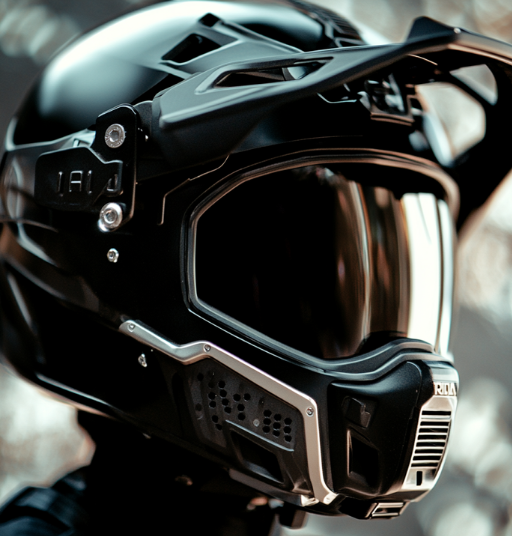
Your first decision is perspective. A camera mounted centrally on a helmet provides a natural, “eyes-forward” point of view (POV), perfect for cycling, skiing, or any activity where your head direction guides the story. A body-mounted camera, like on a chest strap, offers a more stable, torso-level view that includes your arms and handlebars, creating a powerful sense of action.
Look beyond the marketing. Key specifications dictate your creative potential. A larger sensor captures more light, crucial for low-light scenes. Resolution like 4K or 5.3K provides detail for cropping and stabilization, while high frame rates (120fps or 240fps) are your tool for buttery-smooth slow motion that emphasizes drama and detail.
Mounting & Rigging for Rock-Solid Stability
Placement is everything. For a helmet, center-mount on top for a balanced POV, or use a side mount for a more unique angle. On a chest, ensure the mount is tight and high to avoid capturing just your stomach. Handlebar mounts should be supplemented with a tether—losing a camera to a pothole is a preventable tragedy.
Your mounts are as important as the camera. A simple adhesive mount works, but for high-vibration activities like motorcycling or mountain biking, a reinforced cage or a compact gimbal is non-negotiable. A gimbal actively counters shake, transforming chaotic footage into cinematic, level horizons.
Component & Ecosystem Comparison
| Brand / Model Archetype | Key Characteristics | Ideal User Profile |
|---|---|---|
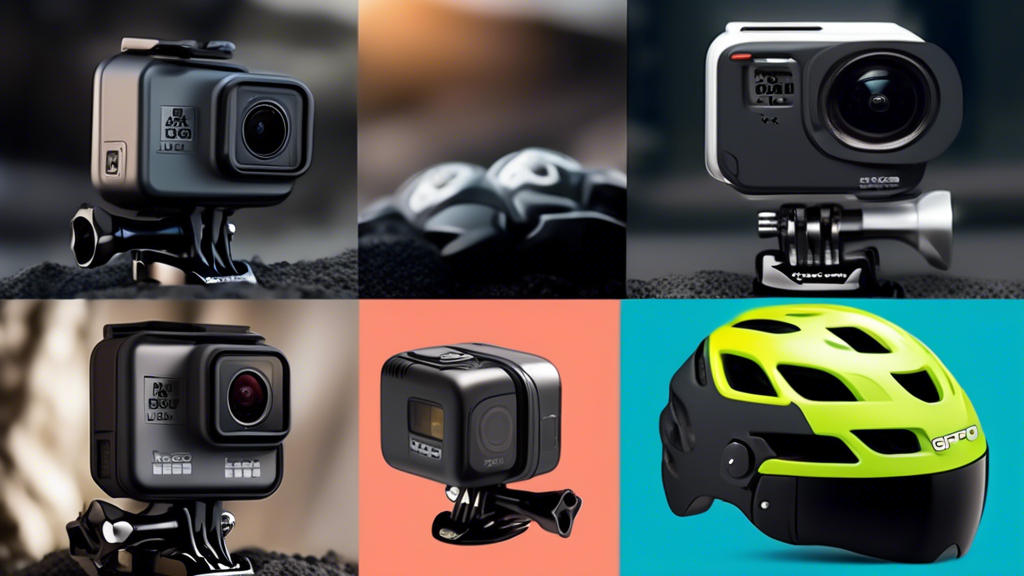
| Mainstream Action Cam (e.g., GoPro HERO series) | Extensive accessory ecosystem; user-friendly software; excellent in-camera stabilization (HyperSmooth/RockSteady); strong all-round performance. | The versatile creator engaged in varied activities (travel, sports, vlogging) who values ease of use and a huge support community. |
| 360-Degree Camera (e.g., Insta360 X series, GoPro MAX) | Shoots everything in all directions; allows for reframing in post-production; “invisible” selfie stick effect; requires more post-processing skill. | The innovative storyteller who wants maximum creative flexibility in editing and loves unique, dynamic angles that are impossible to plan perfectly in the moment. |
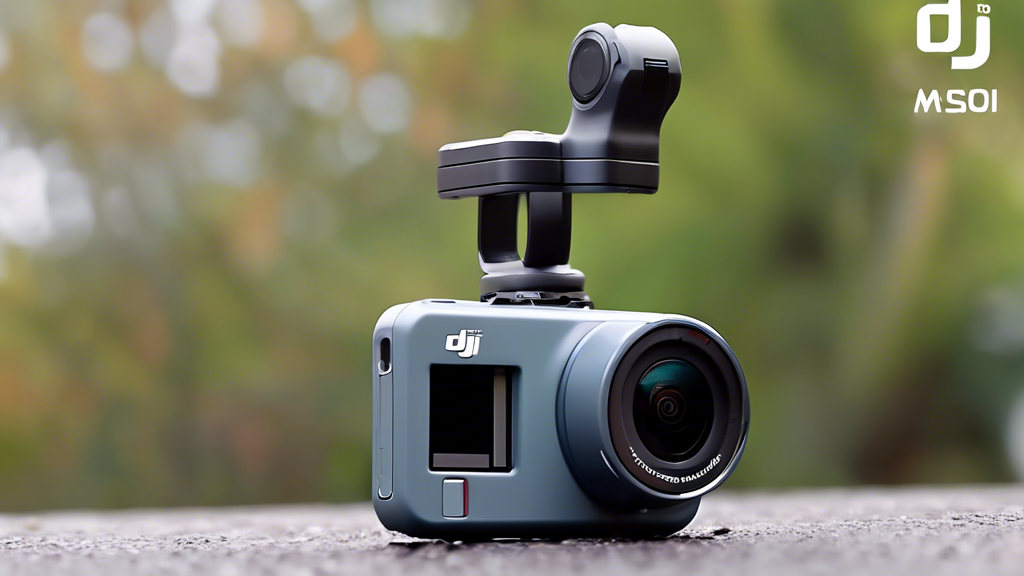
| Modular Pro System (e.g., DJI Action series, older GoPro PRO models) | Often features larger sensors for better low-light performance; may have removable lenses; designed for users who prioritize ultimate image quality and control. | The technical enthusiast or professional who doesn’t mind a slightly bulkier setup for superior dynamic range and detail, and who will color-grade footage. |
The Core System: Directing Your Camera’s Performance
To move beyond generic “point and shoot” footage, you must actively direct your camera like a cinematographer. This means taking control of its core systems.
Commanding the Image
Unlock your camera’s potential by using its advanced control mode—often called Protune, LOG, or Flat Profile. This setting captures a flatter, less saturated image with more detail in shadows and highlights. It looks dull straight out of the camera, but it gives you immense flexibility to color-grade in editing software, creating a rich, custom look that standard video can’t match.
Manage your key variables. Set a fixed White Balance (e.g., 5500K for sunny days) to prevent colors from shifting mid-shot. Keep ISO as low as possible to avoid grain. For a natural motion blur, set your shutter speed to roughly double your frame rate (e.g., 1/60s for 30fps). Use Exposure Compensation (EV Comp) to quickly brighten or darken the scene without diving into full manual controls.
Mastering Audio & The Environment
Crystal-clear visuals are ruined by wind-whipped, distorted audio. The consequence is an amateurish final product that disconnects the viewer. The solution is an external microphone. Most pro cameras have a USB-C or adapter port for a lavalier or shotgun mic. Always use a windscreen—a dead cat fur cover is the best investment for clean audio outdoors.
Understand your housing. A waterproof case is essential for surfing or mud, but it degrades audio and can cause lens fog. For land-based activities where superb sound is key, use the bare camera or a skeleton case that allows direct mic connection. This simple choice dramatically boosts production value.
Advanced Practices: The Art of Immersive Storytelling
With your technical system mastered, the focus shifts to the art—crafting a narrative that pulls the viewer into your experience.
Pre-Production & Strategic Preparation
Scout your angles mentally. Plan for an establishing shot (a third-person view of the location), the immersive POV (your main camera), and a detail shot (a handlebar or helmet-chin mount for hands/gear action). Using multiple cameras, even an old smartphone as a B-roll cam, creates professional coverage. Preparation means charged spare batteries and high-endurance, V-rated memory cards that won’t fail during a 4K burst.
Capturing the Narrative in Motion
Create flow. Start wide, then cut to the immersive POV. Use controlled slow-motion (shot at a high frame rate) to emphasize a critical moment—a trick landing, a splash, a smile. Even in first-person, composition matters. Use the rule of thirds by positioning the horizon on the top or bottom line. Let a trail or road act as a leading line, pulling the viewer’s eye through the frame.
Post-Production Strategy
Your workflow is key. First, apply any necessary stabilization (even with a gimbal, a subtle digital boost helps). Next, color-grade your Flat/LOG footage to make it pop, restoring contrast and saturation intentionally. Sync your clean external audio. Finally, edit for pacing. A compelling story isn’t just the biggest jump; it’s the anticipation, the effort, the environment, and the reaction. Weave these elements together to emphasize the complete experience.
Threat Management: Anticipating and Solving Problems
A professional creator is proactive, not reactive. Most major issues can be prevented with a disciplined routine.
Prevention: The First and Best Defense
Lens care is paramount. Keep a microfiber cloth handy and use a hydrophobic lens spray to repel water and mud. Manage moisture by using anti-fog inserts in your housing. My personal non-negotiable is a pre-shoot checklist: battery level, memory space, mount tightness, and lens cleanliness. Secure every camera with a safety tether or leash—it’s saved my gear more than once.
Intervention & Problem-Solving
When problems arise, diagnose and apply a tiered solution. For fisheye distortion, use your editing software’s lens correction tool or a narrower digital zoom. Excessive shake requires a post-production stabilization app like ReelSteady or GyroFlow. For poor low-light footage, your best in-camera fix is to lower your frame rate to let in more light; in post, use noise reduction software sparingly. Always fix it on location first if possible.
The Creator’s Roadmap: A Seasonal Action Plan
| Season / Phase | Primary Tasks | Creative Focus |
|---|---|---|
| Winter (Off-Season/Indoor) | Deep clean all gear. Update camera firmware. Reorganize mounts and accessories. Backup and archive past year’s footage. | Master indoor editing: complete complex color grading projects and documentary-style edits from summer/fall adventures. |
| Spring (Preparation) | Test all equipment after storage. Charge and cycle all batteries. Plan and purchase any new gear for summer projects. | Focus on skill-building: practice with new camera angles, slow-motion techniques, and audio setups in local environments. |
| Summer (Peak Production) | Daily pre-shoot checks. Meticulous file management and backup on the go. Regular lens and sensor cleaning. | High-output storytelling: travel vlogs, action sports series, and capturing long-form adventures with multi-camera setups. |
| Fall (Harvest & Transition) | Begin final projects from summer footage. Service cameras and gimbals. Prepare gear for winter sports or indoor use. | Crafting cinematic highlights: creating shorter, music-driven films that showcase the year’s best moments with refined color grading. |
Becoming the Storyteller
The journey from a frustrating missed moment to a mastered visual story hinges on one principle: the intentional marriage of robust technology and creative artistry. It begins with choosing the right hardware to be your eyes, advances through taking technical control of the image and sound, and culminates in the thoughtful craft of editing a compelling narrative.
This mastery transforms how you see the world. You start to visualize shots as you ride, hike, or explore. The camera becomes an extension of your perception, not a distraction from it. The result is more than footage; it’s an authentic, powerful record of experience that can inspire, educate, and thrill. By harnessing these tools and techniques, you don’t just capture your adventures—you elevate them into lasting stories, solidifying your role in the ongoing revolution of visual storytelling.