Reviewed by the Digital Helmet Cameras Editorial Team. Based on manufacturer specifications and publicly available user feedback; not independent lab or road testing. Prices and availability change, so check current listings.
Why Long-Term Use Matters
Most action camera reviews are written within days of unboxing. That is useful for specs and first impressions, but it says less about what matters for motorcycle riders: how a camera holds up after months of engine vibration, UV exposure, temperature cycling and regular use. This guide looks at those long-term considerations for the DJI Osmo Action 3 using DJI’s published specifications, general knowledge of how action cameras age, and publicly available owner feedback. We have not run our own long-term test.
The Osmo Action 3 is an older model, and DJI has since released newer Osmo Action cameras. Treat this as a value and durability guide, and check DJI’s current lineup before buying.
What Tends to Matter Over Time
The Magnetic Mount System
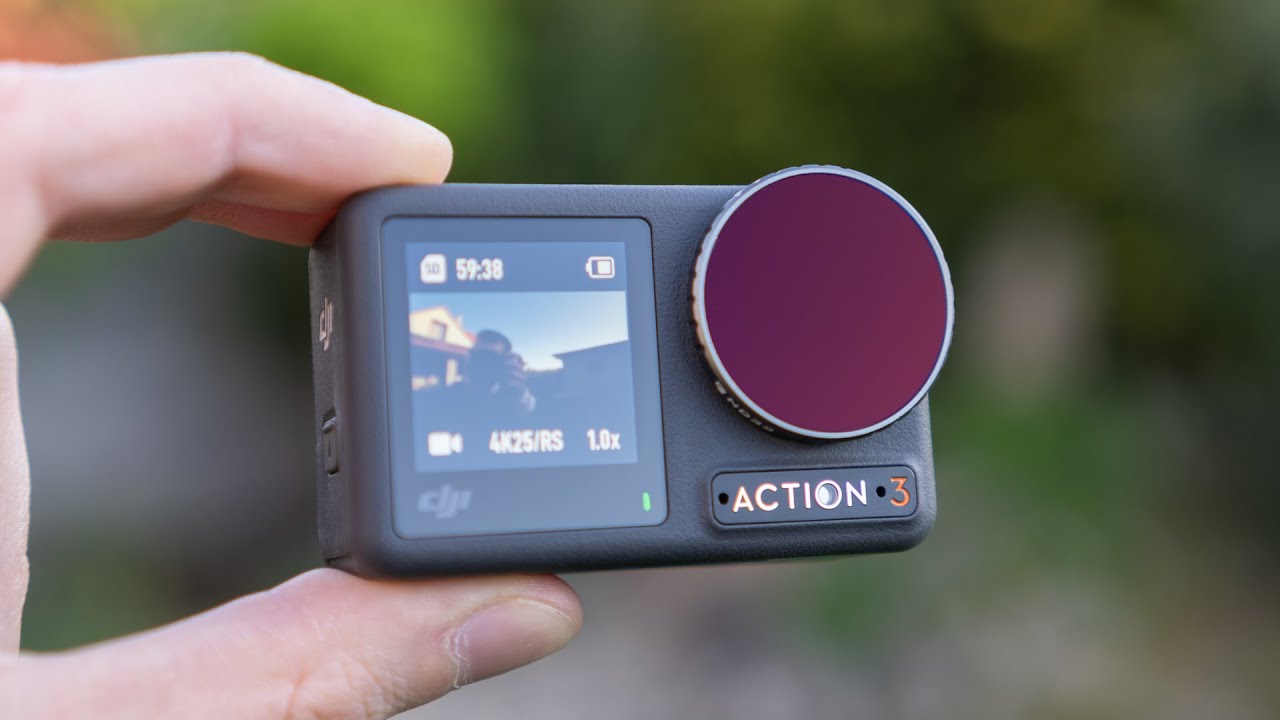
The magnetic quick-release system is one of the Action 3’s headline features. It is designed to let you move the camera from a helmet chin mount to a handlebar mount quickly, even with gloves on. Magnetic mounts are sometimes assumed to be less secure than mechanical locks at highway speed, but DJI designed the system to hold reliably. A wrist tether or safety strap is still sensible insurance regardless of mount system.
Heat
Early Action 3 reviews in 2022 flagged overheating as a concern. In motorcycle use this is generally less of an issue, because a helmet-mounted camera sits in moving air, and DJI has released firmware updates that address thermal behavior. The scenario to watch is stationary recording in direct sun, such as a long stop with the camera running and facing the sun. Stop recording during extended breaks, which also saves storage.
Stabilization
RockSteady 3.0 is software-driven, so stabilization quality does not depend on mechanical wear. On smooth tarmac, electronic stabilization can produce very smooth footage. On rough chip-seal roads, some residual jitter is normal with any electronic stabilization system. HorizonSteady keeps the frame level through lean angles and is popular for canyon riding.
Battery Aging
Lithium-ion batteries lose capacity gradually with charge cycles. After a year or more of regular use, it is reasonable to expect noticeably shorter runtimes than the rated figure, and a spare battery that has seen fewer cycles will hold up better. This is normal aging and applies to GoPro and Insta360 batteries too. A USB-C power bank and a charging routine at fuel stops help on touring days.
Common Wear Points to Inspect
- Lens protector: Front protectors collect micro-scratches from dust and grit. Replacement protectors are inexpensive, and replacing them periodically is normal maintenance.
- Touchscreen: Touchscreens on most action cameras become less responsive in cold weather or with gloves, so plan to set modes before you ride.
- Battery door and seals: Inspect latches and seals periodically, especially after dusty or wet rides, since waterproofing depends on them.
Firmware Updates
DJI has released firmware updates for the Action 3 since launch, including stabilization and exposure improvements. Check for updates periodically via the DJI Mimo app or dji.com’s downloads page.
Is It Worth Buying Now?
Because newer models exist, the Action 3 is often available at a lower price than at launch. For riders who mostly ride in good light and prioritize value, it can still be a sensible choice. The Action 4’s larger sensor is generally considered a meaningful upgrade for low-light riding. Check the current price on Amazon or at dji.com for bundle options.
Long-Term Summary
| Factor | What to expect | Notes |
|---|---|---|
| Magnetic mount | Designed for repeated use | Use a tether regardless |
| Stabilization | Software-based; does not wear | Firmware updates may improve it |
| Battery life | Declines gradually with cycles | Normal lithium-ion aging |
| Heat | Less of an issue in moving air | Avoid stationary recording in direct sun |
| Wear items | Lens protector, seals, latches | Inspect and replace as needed |
The DJI Osmo Action 3 has a strong reputation as a reliable, durable motorcycle camera. The main takeaway: it is designed to get out of the way and let you ride.