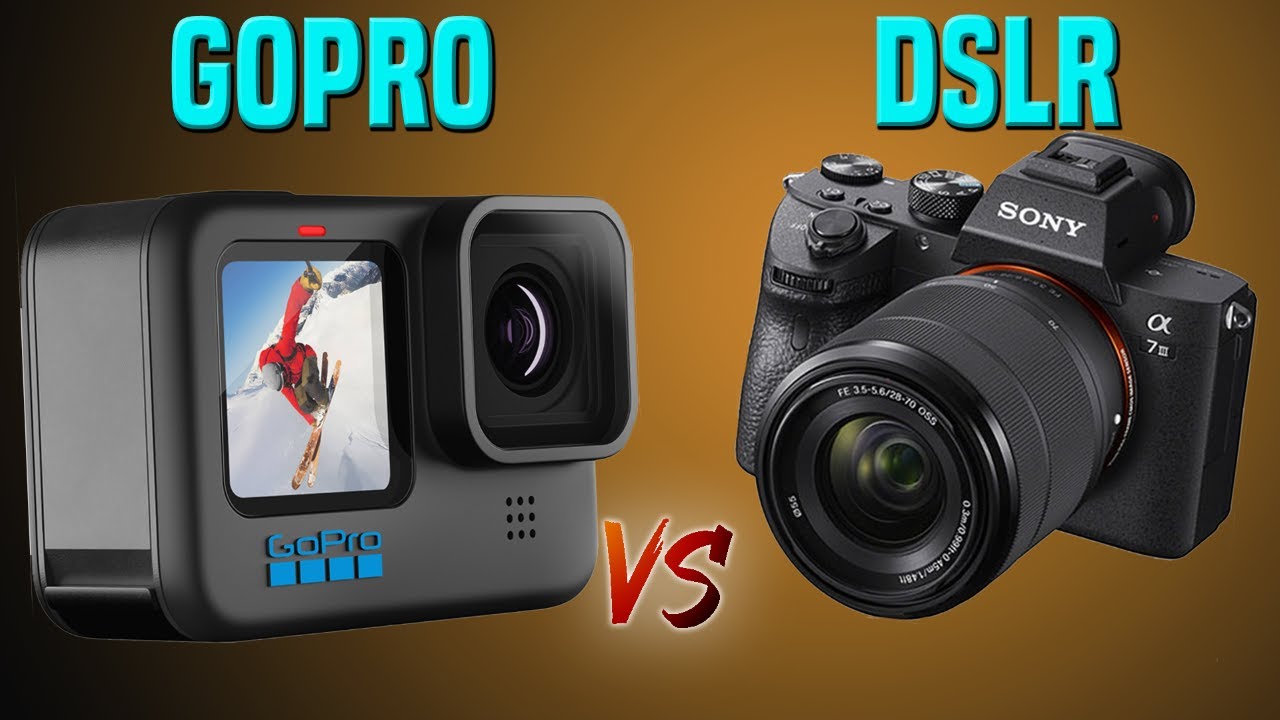

GoPro makes genuinely excellent cameras. But if you read only the manufacturer marketing, you will miss real-world limitations that affect motorcycle riders specifically. Here is the honest list — what GoPros do not do well, and what alternatives exist for each issue.
Models covered: the cameras named in this guide. Manufacturers release new models regularly, so check current lineups, specifications and prices on the manufacturer pages before buying.
1. Wind Noise Is a Significant Problem
The single biggest complaint from motorcycle riders who buy their first GoPro is the audio. At speeds above 40mph, wind noise dominates the recording almost completely. The Hero 13 Black has a built-in wind noise reduction mode, and it helps — but it does not solve the problem. At motorway speeds you will hear a constant roar.
The fix: A foam windscreen over the microphone ports costs $5-$10 and makes a meaningful difference. Some riders run an external Bluetooth microphone inside the helmet near their mouth, which bypasses the wind issue entirely.
2. Battery Life Is Limited for Long Rides
The GoPro Hero 13 Black gets approximately 70-80 minutes of recording at 4K60 before the battery is depleted. For a day ride, that is not enough without a plan. The camera accepts USB-C charging while recording, so you can run power from your bike’s USB outlet — but this requires a cable routed through your gear. In cold weather below 5 degrees Celsius, battery capacity drops noticeably.
The fix: GoPro Enduro battery (adds around 50% life), a spare battery with dual charger, or USB-C power wired from your bike.
3. Overheating During Extended Recording
GoPros have a reputation for overheating, particularly at maximum settings (5.3K60) for extended periods. When the camera overheats it shuts down recording — exactly what you do not want when something happens on the road. Airflow from riding acts as passive cooling, so it is less common than in stationary use, but remains a risk at track days or slow technical riding in summer heat.
The fix: Keep the camera out of direct static sunlight when not riding. For track days in summer, consider the DJI Osmo Action 5 Pro, which has better thermal management.
4. The Wide-Angle Lens Distorts Footage
GoPro’s ultra-wide lens (up to 155 degrees) creates barrel distortion — the fish-eye look that makes straight roads appear curved. GoPro’s horizon leveling and linear lens mode reduce this significantly, but you lose some field of view in the process.
The fix: Use linear or narrow lens mode in GoPro settings. This eliminates most distortion but narrows the field of view to roughly that of a standard wide-angle camera.
5. Accessories and Subscriptions Add Up
The camera body is not the full cost. Mounts, cases, batteries, media mods — GoPro’s accessory ecosystem is expensive and largely proprietary. GoPro also pushes a $49.99/year subscription for cloud backup, which is optional but aggressively marketed.
The fix: Third-party mounts compatible with GoPro’s standard mounting fingers are widely available and significantly cheaper. The subscription is unnecessary for most motorcycle riders — local storage on a fast microSD card is sufficient.
6. No Zoom and No Rear-Facing Camera
GoPro uses a fixed wide-angle lens with only a low-quality digital zoom. And it records only what is in front of it — for accident documentation, many riders want rear-facing recording as well.
The fix for rear coverage: The INNOVV H5 is a dual-channel system (front and rear) purpose-built for motorcycles with continuous loop recording. It is a fundamentally different product from a GoPro but solves the rear coverage problem. See our best motorcycle helmet cameras guide for the full comparison.
Are These Dealbreakers?
For most riders, no. Wind noise and battery life are the most practically significant issues, and both have workable solutions. GoPro remains the best-supported, most capable action camera for motorcycle helmet mounting among mainstream options. But if rear coverage is critical for your use case, there are alternatives worth evaluating before you commit.
See our full helmet camera buying guide for how GoPro stacks up against DJI, Insta360, and purpose-built motorcycle cameras.
Frequently Asked Questions
What is the biggest disadvantage of GoPro for motorcycle use?
Wind noise in the audio. At highway speeds, the built-in microphone records mostly wind regardless of noise reduction setting. A foam windscreen helps significantly but does not fully eliminate the problem.
Does GoPro overheat on a motorcycle helmet?
Less commonly than in stationary setups, because riding creates airflow around the camera. On slow technical riding or in extreme summer heat, it remains a risk at maximum resolution settings.
Is GoPro worth buying despite these disadvantages?
Yes for most riders. The stabilization, build quality, and mount ecosystem are industry-leading. The disadvantages are real but manageable with the right accessories.
Reviewed by the Digital Helmet Cameras Editorial Team. Compiled from GoPro’s published specifications and documented user reports. Prices and availability change; check current listings.
Official resources: GoPro official camera range | DJI Osmo Action 3 – alternative option.