Why a Phone Is Different From an Action Camera
Motovloggers sometimes mount a phone instead of a dedicated action camera — usually because they already own it, want a bigger sensor for low light, or want to livestream directly. But a phone was never designed to be strapped to a helmet, and that creates a few real problems an action camera doesn’t have: it’s heavier and less balanced, it has no rugged housing, the screen is exposed, and sustained recording plus GPS use drains the battery and generates heat fast, especially in direct sun.
Mount Types That Actually Work
A few approaches show up repeatedly among riders who mount phones successfully:
- Case-integrated mount points. A phone case with a built-in mount adapter (often a standard GoPro-style two-prong fitting) is more secure than a universal spring-loaded phone clamp, which adds bulk and vibration risk.
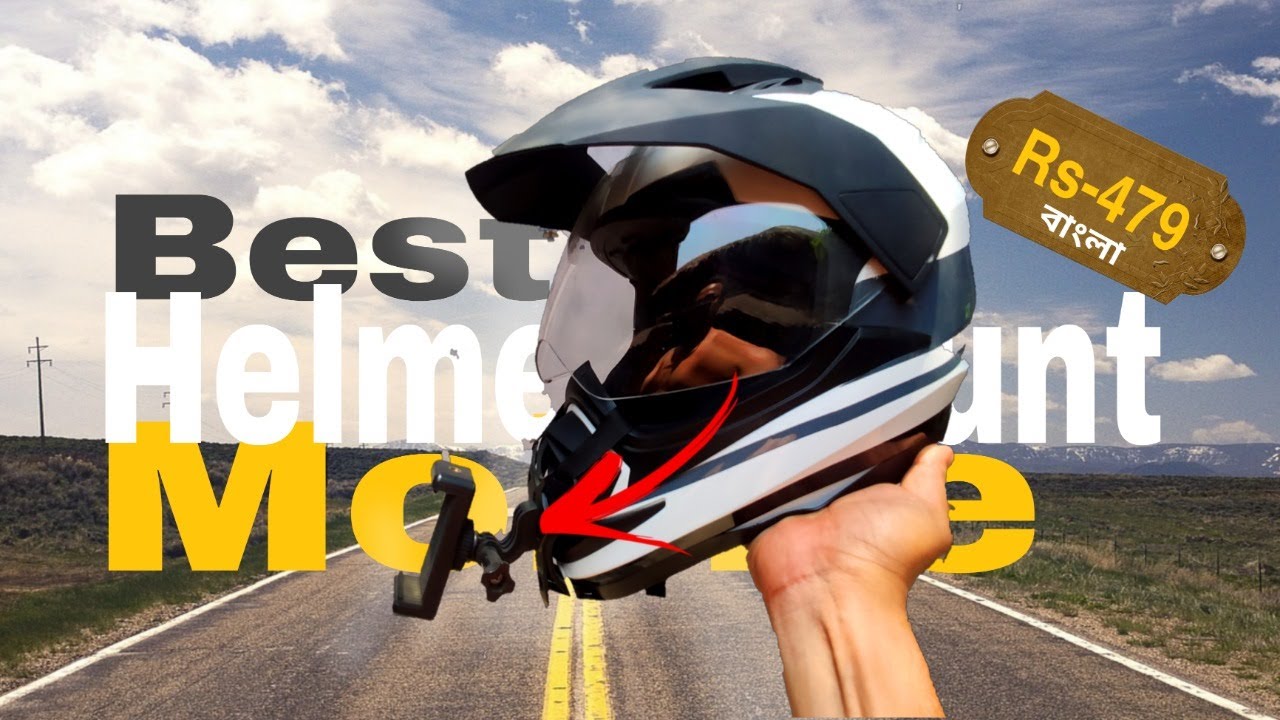
- Chin mount or side mount with a low center of gravity. A phone’s extra weight makes top-of-helmet mounting less stable at speed than it is for a lightweight action camera. Lower, closer-to-the-head positions handle vibration better.
- Magnetic quick-release bases. Useful for swapping the phone on and off between riding and normal use without redoing the whole mount each time.
Practical Considerations
A few things matter more with a phone than with a purpose-built action camera:
- Heat. Phones throttle or shut down recording when they overheat. Avoid mounting in direct, unbroken sunlight for long sessions, and consider a lighter-colored case.
- Battery. Recording video plus running GPS/navigation simultaneously drains a phone fast. A USB-C power bank routed to the phone, or a motorcycle USB charging port, is close to essential for anything beyond a short ride.
- Vibration and screws. Check mount hardware before every ride — vibration loosens fittings faster on a heavier payload than on a lightweight action camera.
- A tether. Given the cost of a phone, a safety tether between the mount and the helmet is worth the few extra dollars in case the primary mount fails.
When a Dedicated Action Camera Makes More Sense
If a ride involves water exposure, extended multi-hour sessions, or genuinely rough terrain, a purpose-built waterproof, shock-rated action camera is generally the better tool — it’s lighter, better sealed, and built to be mounted and forgotten about. A phone mount is a reasonable choice for shorter rides, livestreaming, or when convenience matters more than ruggedness.