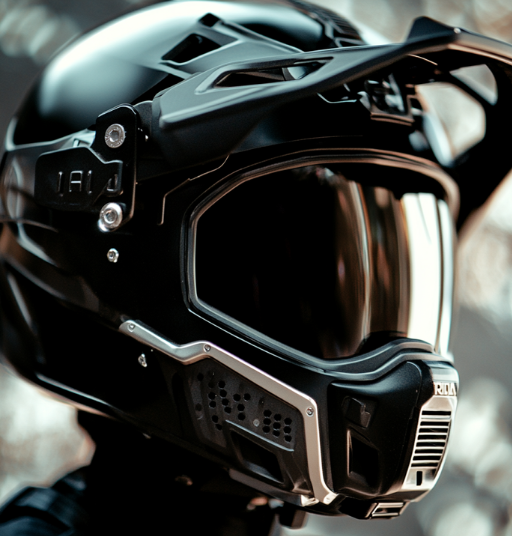
Techalogic DC-1 Review: The Dual-Lens Motorcycle Helmet Camera Explained

Techalogic DC-1 Review - Best Helmet Camera ?

The Techalogic DC-1 takes a completely different approach to the helmet camera market. While GoPro and DJI make general action cameras adapted for helmet use, the DC-1 is designed specifically for motorcycle riders who want a dual-lens safety camera rather than a cinematic action camera. This review covers its published specifications, where it excels, and who it’s for. We have not independently tested it.

Reviewed: Techalogic DC-1 | Price: ~$199 | Available: Amazon, Techalogic.co.uk

Techalogic DC-1: Full Specifications

Spec DC-1
Lenses Dual (front-facing wide + rear-facing wide)
Resolution 1080p/30fps (front), 720p/30fps (rear) simultaneous
Field of View 140° front / 120° rear
Stabilization Electronic Image Stabilization (EIS)
Loop Recording Yes — 1/3/5 minute segments, continuous overwrite
Storage Up to 256GB microSD (not included)
Battery Life ~3 hours (front only) / ~2 hours (dual recording)
Waterproof IP67 rated — submersible to 1m
Weight ~85g (lighter than GoPro Hero 13)
Connectivity Wi-Fi, Bluetooth, USB-C
Price ~$199 USD / ~£149 GBP

What Makes the DC-1 Different

Dual Lens: Simultaneous Front and Rear Recording

This is the DC-1’s defining feature and the main reason to choose it over a GoPro or DJI. The rear-facing lens captures what’s behind you — which is where most motorcycle incidents involving other vehicles originate. For insurance claims, evidence in the event of a collision, or documenting tailgating, this is genuinely valuable footage that no single-lens action camera can provide.

Both streams record simultaneously to the same file on the microSD card, split-screen or as separate files depending on your recording mode setting.

Loop Recording

Unlike GoPro or DJI which record until storage fills, the DC-1 records in continuous loops (1, 3, or 5 minute segments) and automatically overwrites the oldest footage when the card is full. This is the dashcam model of recording — you always have the last few hours available without ever needing to manage files or worry about storage.

If an incident occurs, the DC-1’s incident detection (via G-sensor) automatically locks the current file segment to prevent it being overwritten.

Simpler Operation with Gloves On

The DC-1 uses two physical buttons — power and record — and that’s essentially it during a ride. No touchscreen to navigate, no app required mid-ride. For motorcyclists wearing thick gloves, this is a significant practical advantage over GoPro’s touchscreen interface.

What the DC-1 Is NOT

The DC-1 is not a cinematic action camera. If you want:

  • 4K resolution for YouTube content
  • Slow-motion at 120fps+
  • Advanced colour science for grading
  • Wide ecosystem of mounts and accessories

…then a GoPro Hero 13 or DJI Osmo Action 5 Pro is the better choice. The DC-1’s 1080p/30fps quality is adequate for documentation but not competitive with current action cameras for video production.

DC-1 vs. GoPro Hero 13: Which Should You Buy?

Techalogic DC-1 GoPro Hero 13 Black
Primary purpose Safety/documentation Action/content creation
Dual lens Yes (front + rear) No
Max resolution 1080p/30fps 5.3K/60fps
Loop recording Yes No
Battery life ~3 hrs ~90 min
Ease of use with gloves Excellent Good
Cinematic quality Basic Excellent
Price ~$199 ~$399

Buy the DC-1 if: You want a always-on safety camera that documents every ride without needing to manage files. You value rear-facing coverage for insurance purposes. You do more commuting than adventure riding.

Buy the GoPro if: You create video content for YouTube or social media. You want cinematic quality. You do track days, adventure riding, or any activity where footage quality matters beyond documentation.

Expected Performance

Image Quality

At 1080p in daylight, footage from cameras in this class is generally sufficient to document events. Whether number plates are legible depends on distance, speed and light, so check sample footage before relying on it for evidence. In low light or wet conditions, expect more noise and less detail; the sensor in cameras of this type is generally smaller than in premium action cameras such as the GoPro Hero 13 (1/1.9-inch).

Stabilization

Electronic image stabilization at this level is typically adequate for smooth roads but shows its limits on rough surfaces and at sustained high speeds. For evidence recording this is acceptable; for cinematic content it would be an issue.

Mounting

The DC-1 ships with a chin mount kit compatible with most full-face helmets. The mount uses a standard screw fitting rather than GoPro’s proprietary quick-release, so you’re largely tied to Techalogic’s own accessory range for alternative positions.

Verdict

The Techalogic DC-1 fills a specific niche very well: it looks like a strong purpose-built motorcycle safety camera at this price point, based on its specifications. If your priority is always-on documentation, insurance protection, and rear-view coverage, it’s the right tool. If you want to create motorcycle content for an audience, look at GoPro or DJI instead.

Not sure which type of camera you need? Our Camera Recommender tool asks the right questions and matches you to the best option for your riding situation.

Frequently Asked Questions

Is the Techalogic DC-1 compatible with all helmets?

The DC-1’s mount kit is designed for full-face helmets. It comes with two chin bar adapter plates to fit different chin bar profiles. It is not compatible with open-face or half-helmet styles without a custom mount solution.

Does the DC-1 work in the rain?

Yes — IP67 rating means it’s fully submersible to 1 metre. Rain riding is not an issue. The lens coatings also help repel water droplets from the image.

Where can I buy the Techalogic DC-1?

The DC-1 is available on Amazon (search “Techalogic DC-1”) and directly from Techalogic.co.uk. Amazon UK and US both stock it, with US pricing around $199.

Official resources: Techalogic DC-1 official page | Techalogic website.
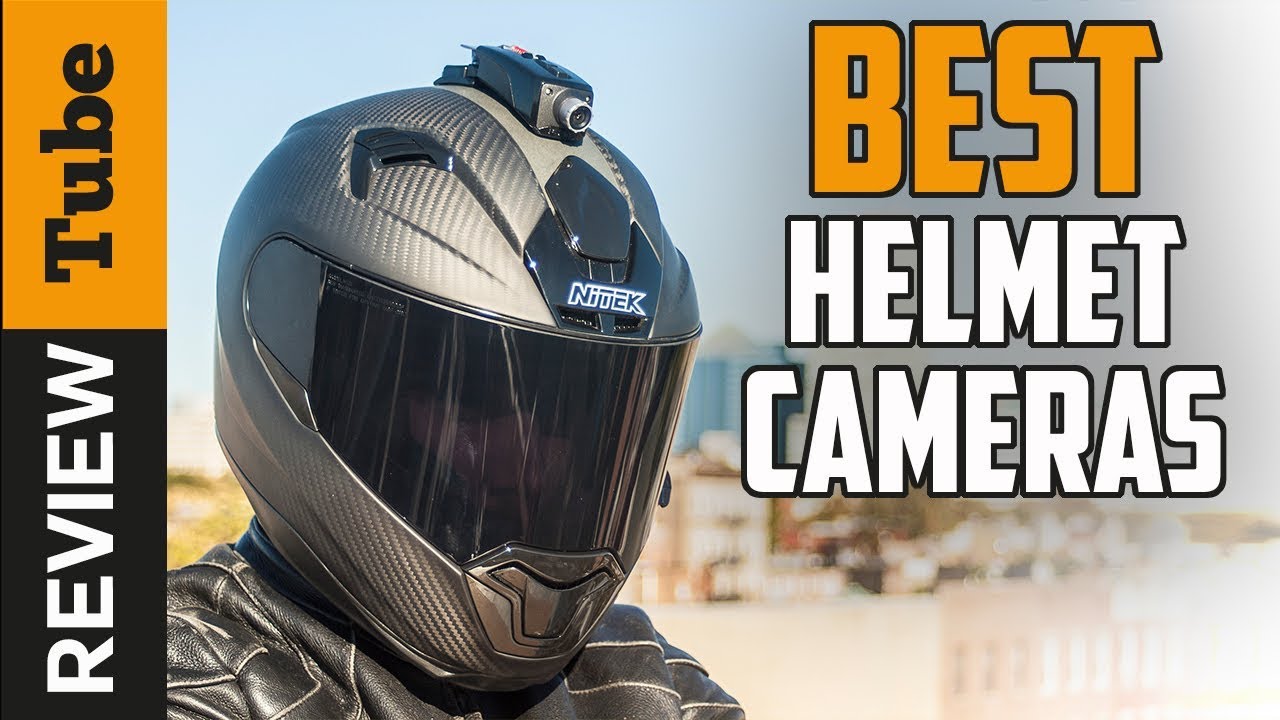
Best Helmet Cameras for Motorcycle Riders: Complete Buying Guide

✅Helmet Camera: Best Helmet Camera (Buying Guide)

Choosing a helmet camera sounds simple until you’re staring at a list of 40+ models with conflicting specs and reviews that all say the same thing. This guide cuts through the noise with specific recommendations, real specifications, and clear advice based on riding type — so you buy the right camera the first time.

Manufacturers release new models regularly (for example, DJI’s Osmo Action 6 and GoPro’s MISSION 1 series are now listed on their official sites). Check current lineups, specifications and prices before buying.

Models compared: GoPro Hero 13 Black, DJI Osmo Action 5 Pro, Insta360 X5, Techalogic DC-1, INNOVV H5

Top Helmet Camera Picks at a Glance

Camera Best For Max Resolution Stabilization Price (approx)
GoPro Hero 13 Black All-round motorcycle use 5.3K/60fps HyperSmooth 6.0 ~$399
DJI Osmo Action 5 Pro Long rides, low-light 4K/120fps RockSteady 4.0 ~$269
Insta360 X5 360° / reframeable footage 8K/360° FlowState ~$499
Insta360 GO 3S Lightweight, discreet use 2.7K/30fps FlowState ~$299
Techalogic DC-1 Dedicated motorcycle cam 1080p/30fps Electronic EIS ~$199

What Actually Matters When Choosing a Helmet Camera

Image Stabilization — The Single Most Important Spec

At highway speeds, even a securely mounted camera picks up significant vibration from road surfaces, engine resonance, and wind buffeting. Without strong stabilization, your footage is unwatchable — no matter how good the sensor is.

The three cameras with the best stabilization for motorcycle use among the models compared here are:

  • GoPro Hero 13 Black with HyperSmooth 6.0 — The gold standard for action sports. Horizon lock keeps the frame level through corners and technical sections. Designed to smooth out motorway-speed vibration, though results vary by mount, helmet and road surface.
  • DJI Osmo Action 5 Pro with RockSteady 4.0 — DJI’s electronic stabilization rivals GoPro’s in most conditions. Particularly effective at managing low-frequency vibration from engine resonance.
  • Insta360 X5 with FlowState — 360° footage benefits from post-production stabilization, which is effectively perfect since you’re choosing the viewpoint after the fact.

Resolution and Frame Rate

For motorcycle helmet cameras, the practical sweet spot is 4K at 60fps. Here’s why each spec matters:

  • 4K resolution — Gives you enough detail to crop in editing while keeping file sizes manageable. At highway speeds, fine detail (road markings, signs, other riders) becomes visible that 1080p loses.
  • 60fps minimum — Motion at speed looks choppy at 30fps. At 60fps, fast movement through corners stays smooth. For slow-motion clips, look for cameras that shoot 4K/120fps (GoPro Hero 13) or 2.7K/240fps.
  • Avoid 5.3K for daily use — The storage and battery hit isn’t worth it unless you’re producing professional content. 4K is the practical maximum for 99% of riders.

Mount Position: This Changes Everything

Where you mount your camera determines the perspective your viewers get — and how much vibration the camera absorbs.

Chin mount (recommended for motorcycles): Positions the camera at eye level, matching your natural perspective. The chin bar absorbs some vibration and the low position means wind resistance is minimal. Works with full-face helmets only. Best chin mounts: Peak Design Capture Clip, GoPro Helmet Chin Mount.

Top mount: Elevated perspective shows more of the road ahead. More aerodynamic drag at speed and slightly more vibration. Works with any helmet style. Good for adventure/touring riders who want to show scenery.

Side mount: Creative angle for B-roll but impractical as a primary mount — the leverage at speed creates visible vibration even with good stabilization.

Battery Life and Storage

Real-world battery life at 4K/60fps varies significantly from manufacturer claims:

  • GoPro Hero 13 Black: ~90 minutes (claimed 143 min at 1080p/60fps). The Enduro battery ($25) adds ~20% in cold weather.
  • DJI Osmo Action 5 Pro: ~160 minutes at 4K/30fps — best battery life in its class. The 1,950mAh battery is the largest in any action camera under $300.
  • Insta360 X5: ~81 minutes in 360° mode — higher than the X4.

For rides over 90 minutes, plan for either a USB-C power bank (most cameras support charging during recording) or carry a spare battery. Use our Battery & Trip Planner tool to calculate exactly what you need.

Audio Quality

Wind noise is the biggest audio problem for helmet cameras. At speeds above 80 km/h, internal microphones become largely unusable without a windscreen solution.

Options ranked by effectiveness:

  1. External mic (best): Rode Wireless GO II clipped inside the helmet with foam windscreen — clean audio at any speed.
  2. DJI Mic Mini: Magnetic attachment, works with DJI cameras. Effective up to ~90 km/h.
  3. Foam windscreen over internal mic: GoPro’s Media Mod includes this; also available as third-party for most cameras. Cuts wind by ~60%.
  4. Internal mic only: Only acceptable below 60 km/h.

Best Helmet Camera by Riding Type

Best for Motorcycle Road Riding: GoPro Hero 13 Black

The Hero 13’s HyperSmooth 6.0 handles motorway vibration better than any competitor. The 5.3K sensor gives you room to crop for a cinematic 16:9 result. Max Lens Mod 2.0 adds a 177° ultra-wide field of view for immersive footage. The new Quik app makes transferring and editing footage on your phone genuinely painless. Price: ~$399 (camera only), ~$649 with accessories bundle.

Best Value: DJI Osmo Action 5 Pro

At $130 less than the Hero 13, the Osmo Action 5 Pro delivers 4K/120fps, the longest battery life in the category (160 min), and a dual-screen design that makes vlogging and angle checking easy without removing the camera. The main limitation vs. GoPro is a smaller ecosystem of accessories and mounts. Price: ~$269.

Best for Adventure/Off-Road: Insta360 X5

The 8K 360° footage lets you reframe shots in editing, which means you’re never stuck with a fixed angle. If you tip the bike, crash, or find yourself going sideways, the invisible selfie stick trick creates floating, professional-looking shots without visible camera equipment. The main tradeoff: heavier than single-lens cameras (179g) and 360° requires more editing time. Price: ~$499.

Best Dedicated Motorcycle Camera: Techalogic DC-1

Unlike GoPro/DJI, the Techalogic DC-1 is built specifically for motorcycle use. It has a dual-lens design capturing front and rear simultaneously — functionally a dashcam for your helmet. The 1080p resolution is adequate for incident recording, loop recording overwrites old footage automatically, and the simple two-button operation works with riding gloves. If your priority is safety documentation over cinematic footage, this is the better choice than a GoPro. Price: ~$199.

What to Avoid

No-name “4K” cameras under $50: These claim 4K but interpolate from a 1080p sensor. Stabilization is ineffective or absent. Mounts fail at highway speeds. The GoPro Hero entry-level (Hero) at ~$179 is the minimum worth considering for motorcycle use.

Action cameras without EIS: Older GoPro Hero 9 and below, older SJCAM models, and many generic brands lack effective electronic image stabilization. Footage is unwatchable above 60 km/h regardless of mount quality.

Frequently Asked Questions

Are helmet cameras legal for motorcycle riders?

In most US states, yes — there are no laws specifically prohibiting helmet cameras. However, some states have audio recording consent laws that affect whether you can record conversations. Rules vary internationally. See our complete helmet camera legal guide for state-by-state rules.

Will a helmet camera void my helmet certification?

Adhesive mounts that modify the helmet shell can technically void DOT/ECE certification in some interpretations. To stay safe: use chin mount adapters that attach to the chin bar without adhesive, or use clip-on mounts compatible with your specific helmet model. The GoPro Helmet Chin Mount is ECE-friendly as it doesn’t modify the shell.

How much storage do I need?

At 4K/60fps, GoPro Hero 13 uses approximately 4.5GB per hour. A 128GB card gives you ~28 hours of footage, which is adequate for any ride. Use a Class 10 / V30 minimum speed-rated card — SanDisk Extreme (V30) or Samsung PRO Endurance are the two most reliable choices for continuous recording.

Can I charge the camera while riding?

Most modern helmet cameras (GoPro Hero 13, DJI Osmo Action 5 Pro, Insta360 X5) support USB-C charging during recording. You can run a cable from a USB-A or USB-C port on your motorcycle to extend recording time indefinitely — useful for long touring days.

Use our free Camera Recommender tool to get a personalised recommendation based on your helmet type, riding style, and budget.

Official resources: GoPro camera range | DJI action cameras | Insta360 Ace Pro 2.

Get Your Download Immediately

Get Instant access to our Digital Helmet Camera ebook

You have Successfully Subscribed!