
What Motovlogging Needs From a Camera Setup
Motovlogging — recording yourself talking while riding — has different requirements than typical action-camera footage. You need the camera to capture your voice clearly over wind and engine noise, hold a stable face-to-camera framing, and run for the length of a real ride, not just a short clip.
Camera Choice
A wide field of view is important so the frame captures both your face and enough of the road/surroundings behind you for context. Battery life matters more here than in typical action-cam use, since motovlogging often means continuous recording for an entire ride rather than short clips — a camera with a swappable battery or one that can record while charging from a bike-mounted USB source has a real practical advantage.
Mounting
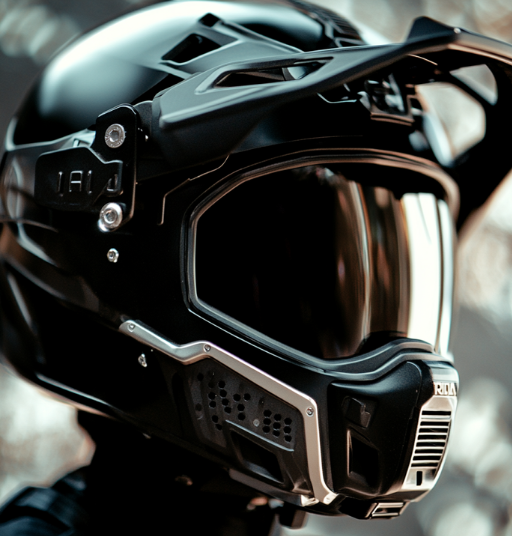
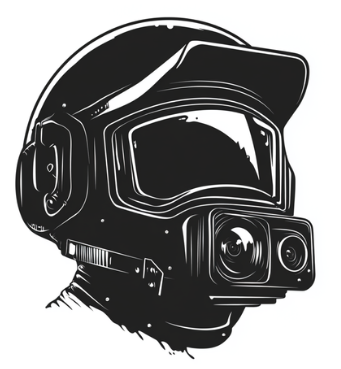
A chin mount is the standard choice for motovlogging because it keeps the camera close to mouth level for clear audio pickup and a natural talking-to-camera angle, and it’s less exposed to wind buffeting than a top-of-helmet mount. The trade-off is that a chin mount adds weight to the front of the helmet, so a lighter, more compact camera body is usually preferable to a larger one.
Audio: The Biggest Challenge
Wind noise is the single biggest obstacle to usable motovlogging audio. A few approaches address it: foam windscreens over the camera’s built-in mic reduce noise at moderate speeds but have limits at highway speed; an external lavalier or boom mic mounted closer to your mouth, run into a camera with a mic input, generally produces clearer results than any built-in mic; and some riders use in-helmet Bluetooth communication systems that route audio to the camera separately from the camera’s own microphone. Whatever the source, checking a short test clip at riding speed before committing to a full ride is worth the two minutes it takes.
Editing Workflow
A typical motovlogging workflow involves: reviewing footage and marking usable sections (most rides have far more footage than ends up in the final video), editing at proxy/lower resolution if your computer struggles with native 4K footage, basic color correction to fix the flat look common to action-camera footage, audio leveling to balance voice against ambient road/wind noise, and adding captions — increasingly expected on social platforms where videos are often watched without sound.
Putting It Together
The combination that works for most motovloggers starting out: a compact wide-FOV camera on a chin mount, an external mic if budget allows (even an inexpensive one is usually a bigger audio improvement than any built-in mic), and a simple, repeatable editing workflow rather than an elaborate one — consistency matters more than production complexity for building a following.