From Blurry Memory to Cinematic Reality: The Helmet Camera Revolution
You crest the ridge, the vista takes your breath away, and you know this moment is perfect. Weeks later, you review the footage: a shaky, grainy mess that completely fails to convey the scale, the color, the sheer feeling of being there. That frustration—the gap between experience and recording—is now a relic of the past.
The journey of the helmet camera is a story of radical transformation. It has evolved from a novel, boxy recorder into a fundamental tool for storytellers, athletes, and professionals. This evolution is not about incremental updates; it’s a complete reimagining driven by three pillars: high-resolution video, revolutionary battery life, and intelligent features. Mastering this evolution is the key to unlocking a camera that doesn’t just document your point of view, but actively enhances it, delivering broadcast-quality immersion from the heart of the action.
The Hardware Leap: Form Follows Extreme Function
The physical transformation of helmet cameras is the foundation for every other advancement. The clunky, brick-like units of the past imposed limits; today’s designs enable possibilities.
The Miniaturization Revolution
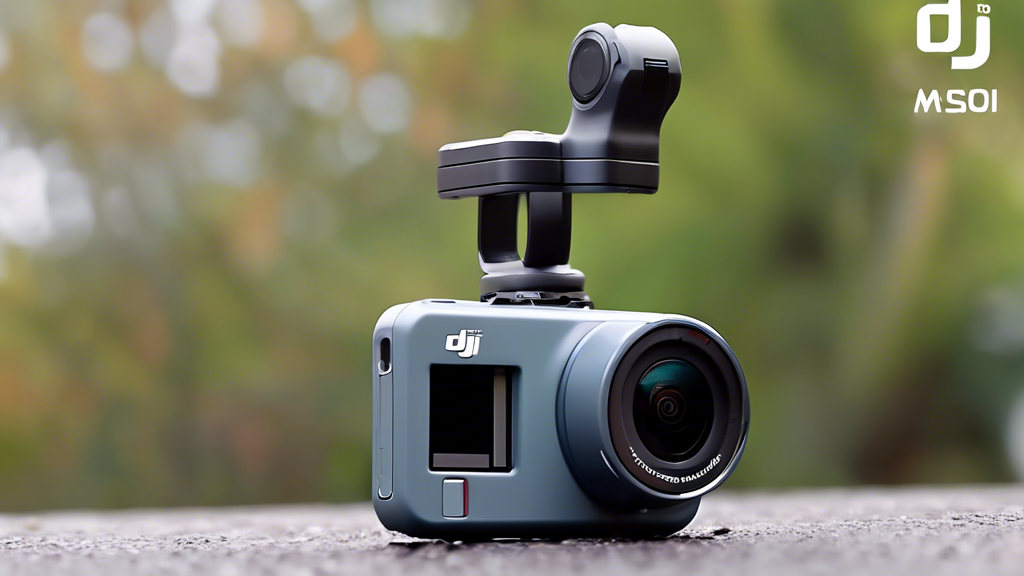
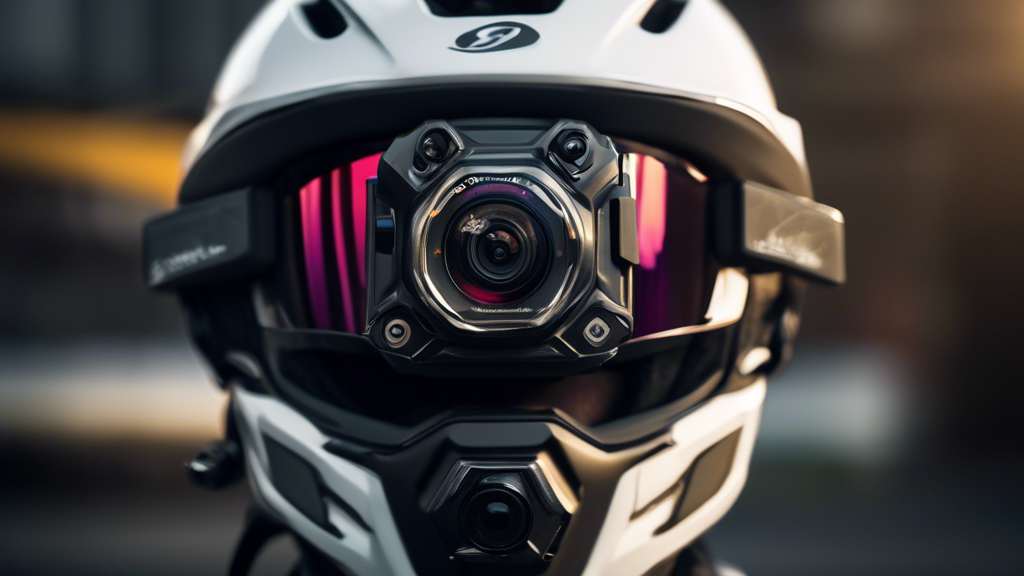
Shrinking the camera was the first critical step. Early models were large, top-heavy, and created significant drag. Modern units are sleek, aerodynamic, and often weigh less than a smartphone. This drastic reduction in size and weight directly translates to better mounting options, improved safety, and all-day comfort, whether on a helmet, chest strap, or handlebar. The camera disappears, letting you focus on the experience.
Sensor & Processor: The Beating Heart
Inside that small body lies immense power. The combination of larger, more light-sensitive image sensors and incredibly efficient processors is the engine of the modern helmet cam. These chips work in tandem to capture more visual data, apply complex stabilization algorithms in real-time, and manage heat and power—all from a package a fraction of its predecessor’s size. This is the core technological leap that makes everything else possible.
Built for the Elements: Durability & Ecosystem
A camera meant for adventure must be indestructible. The evolution here is toward integrated, ruggedized designs. We’ve moved from optional housings to cameras that are waterproof from the factory, shockproof, and freeze-resistant. Furthermore, the rise of modular ecosystems—swivel mounts, adhesive pads, specialized clamps, and external mic adapters—has turned a single camera into a versatile filmmaking toolkit for any scenario.
The Visual Frontier: Capturing Reality in Detail
The primary mission of any camera is to see, and here the progress has been nothing short of cinematic. The goal is no longer just to record, but to replicate the human visual experience with stunning fidelity.
From SD to 4K, 5.3K, and Beyond
The resolution race has provided tangible creative benefits. Where standard definition (SD) offered 480 lines of detail, modern 4K and 5.3K sensors capture over 3,000. This massive increase in pixel count means breathtaking detail, but more practically, it provides immense flexibility in post-production. You can crop in significantly to reframe a shot or digitally stabilize footage without losing usable resolution, all while maintaining a sharp, clean image.
HDR & Color Science: The Truth in Light
High Dynamic Range (HDR) imaging is a game-changer for challenging light. It allows the camera to capture detail in both the brightest highlights and the darkest shadows simultaneously. No more blown-out skies or featureless black shadows in a forest trail. Coupled with advanced color profiles (like flat LOG or vibrant standard), creators now have footage that is true-to-life and richly graded straight out of the camera, or provides a perfect starting point for professional color correction.
Hyper-Smooth Motion: Frame Rates & Stabilization
This is perhaps the most visible evolution. Early helmet footage was notoriously nauseating. Now, combining high frame rates (120fps, 240fps) with gyro-based, in-camera stabilization (branded as HyperSmooth, RockSteady, or ActionSteady) has rendered external gimbals unnecessary for most users. The result is buttery-smooth footage that looks professionally shot, even when barreling down a mountain bike trail or carving through powder.
The Power Paradigm: Liberation from the Outlet
Cutting-edge video is meaningless if the camera dies after 20 minutes. Battery innovation has been a quiet revolution, transforming how we plan and execute our recordings.
Energy-Dense Cells
The shift to lithium-ion and newer formulations has packed more power into smaller, lighter batteries. Where early models struggled to offer an hour of recording, modern units can often film for well over an hour and a half in their highest resolution modes, with much longer life in efficient settings.
Smart Power Management
The camera’s brain now actively conserves energy. Processors are designed for efficiency, and smart features like automatic sensor sleep/wake, programmable GPS toggles, and voice control reduce unnecessary drain. Modes like “Quick Capture” (starting recording with one button press, even from off) and scheduled recording ensure power is used only when you need it.
The Swappable System: Unlimited Runtime
The single most important power feature for professionals and enthusiasts is the hot-swappable battery system. Paired with fast USB-C charging, this allows you to carry small, spare batteries and change them in seconds without restarting your recording. This simple innovation is what enables all-day filming sessions for events, expeditions, or multi-stage adventures.
The Intelligence Layer: Your Cinematic Partner
The modern helmet camera is not a passive recorder; it’s an active filmmaking assistant. Advanced features handle complexity so you can focus on the moment.
Voice Control & Intuitive Interfaces
When your hands are on handlebars or climbing gear, voice commands are essential. Simple shouts of “GoPro, start recording!” or “Camera, take a photo!” provide seamless control. Similarly, streamlined mobile apps and responsive touchscreens (often operable with gloves) make changing settings in the field quick and frustration-free.
Advanced Audio Capture
Great video demands great sound. Built-in microphones have seen massive improvements with multi-mic arrays and advanced wind noise reduction algorithms. Crucially, the widespread adoption of external microphone adapters (USB-C or proprietary) allows creators to plug in lavalier or shotgun mics, enabling clear narration, interviews, and immersive ambient sound—a necessity for professional-grade content.
The Connected Ecosystem
Instant connectivity has revolutionized workflow. Smartphone integration provides a wireless viewfinder, remote control, and a direct pipeline for quick edits and social sharing. GPS data overlays can add speed, altitude, and route maps to your footage. For some, the ability to live stream first-person perspective directly to platforms has opened new avenues for broadcasting and remote collaboration.
Managing Modern Challenges: Data and Heat
With great power comes new considerations. The two primary challenges of today’s high-performance cameras are data management and thermal performance.
Prevention: Taming the Data Deluge
High-resolution, high-bitrate video creates enormous files. Prevention is straightforward: invest in high-speed, high-capacity microSD cards (UHS-I/UHS-II, V30/V90 rated) and understand efficient modern codecs like HEVC/H.265, which provide high quality at smaller file sizes than older H.264 codecs.
Intervention: Understanding Thermal Limits
Packing a powerful processor into a tiny, sealed body generates heat. During long, continuous recordings in 4K or 5.3K, cameras may eventually “thermal throttle”—reduce resolution or frame rate to cool down. To mitigate this, use the most efficient settings acceptable for your project, ensure good airflow around the camera (avoid thick waterproof cases when not needed), and in extreme scenarios, plan for segmented recording rather than one continuous multi-hour take.
Choosing Your Evolutionary Stage: A User’s Guide
Not every user needs the absolute latest technology. Your ideal camera depends on your goals. This guide matches user profiles to the key evolutionary features that matter most.
| User Profile | Key Evolutionary Features | Primary Focus |
|---|---|---|
| The Casual Adventurer | Reliable 1080p or 2.7K video, good electronic stabilization, simple mounting, solid battery life. | Durable, simple capture for sharing memories with friends and family. Ease of use is paramount. |
| The Enthusiast Creator | 4K/5.3K HDR video, advanced stabilization (HyperSmooth 4.0+), swappable battery system, external mic support. | Producing high-quality, edited content for YouTube or social media. Flexibility, audio quality, and post-production options are key. |
| The Professional | Maximum resolution (5.3K+), best-in-class stabilization, live streaming capability, pro audio solutions, rugged durability, multi-camera ecosystem. | Broadcast, commercial, or critical documentation work. Demands absolute reliability, the highest fidelity, and integration into professional workflows. |
The Pocket-Sized Cinematic Studio
The evolution of the helmet camera represents a masterful convergence of disciplines: optical engineering, computer science, and industrial design. We have moved far beyond simply strapping a recorder to our heads. Today’s device is a conscious creative partner, designed to withstand the elements, see with breathtaking clarity, think ahead to save power, and connect seamlessly to your creative workflow.
This journey—from novelty to necessity—empowers you with a profound capability. You are no longer just a participant in an experience; you are its director and cinematographer. The transformed helmet camera hands you the tools to craft visceral, high-fidelity narratives from the most impossible perspectives, turning fleeting moments into enduring stories of unparalleled clarity and impact.