GoPro vs DJI vs Insta360 for Motorcycles: Full Comparison

Which is the BEST Motorcycle Action Camera?  I Tried Them All...

Here is an honest comparison of cameras from all three major action camera brands, based on published specifications and documented performance across commuting, mountain passes, and track use.

Models covered: the cameras named in this guide. Manufacturers release new models regularly, so check current lineups, specifications and prices on the manufacturer pages before buying.

Three Cameras Worth Comparing for Motorcycle Use

  • GoPro Hero 13 Black ($399) — a popular choice as a primary road camera
  • DJI Osmo Action 3 ($99-$149) — rated for reliable cold-weather operation
  • Insta360 Ace Pro 2 ($349) — a strong option for low-light and track use

Video Quality: Who Wins Where

In daylight riding conditions, all three cameras produce excellent footage that most viewers cannot distinguish at normal watching resolution. The differences show up in specific conditions:

Low light (dusk, dawn, tunnels): The Insta360 Ace Pro 2 uses a 1/1.3 inch sensor, larger than the sensors in the GoPro and DJI cameras compared here, which should give it an advantage in dim conditions such as early-morning commutes or tunnels. As a rule, larger sensors produce cleaner low-light footage, but results depend on the settings and lens used.

Colour accuracy: DJI’s colour is generally described as the most neutral, GoPro’s as slightly saturated and punchy (good for social media, less accurate), and Insta360’s automatic processing as the most aggressive.

Dynamic range (bright sky vs dark road): Hero 13 Black with an HLG or Log colour profile is designed to handle the contrast between bright sky and shadowed roads. DJI’s D-Log M is also excellent.

Stabilization on the Bike

All three are excellent. At highway speeds, all three are reported to produce usably smooth footage. On rough gravel roads, GoPro’s HyperSmooth 6.0 is generally considered to handle high-frequency engine vibration marginally better than DJI’s RockSteady, though the difference is small enough that most riders won’t notice it in finished footage.

Cold Weather Performance

This is where the published specifications separate the cameras most. DJI rates the Osmo Action 3 for operation down to about -20°C, while GoPro lists a warmer lower limit (around -10°C) for the Hero 13 Black. Lithium-ion batteries lose capacity in the cold on every camera, so expect shorter runtimes than the figures below, and keep a spare battery in an inner pocket. Check each manufacturer’s spec page for the current operating-temperature rating.

Mounting and Day-to-Day Use

DJI’s magnetic Quick-Release system is the fastest to use on a daily riding basis — one handed, one motion, the camera is off the helmet. GoPro’s standard buckle mount requires two hands and more attention. For daily commuting, DJI’s magnetic system is designed to make getting the camera on and off quick and one-handed.

Battery Life (Approximate)

Figures are approximate, based on manufacturer ratings and published reviews rather than our own measurements. Runtime varies with settings, temperature and battery age.

Camera Approx. Battery at 4K60 Cold-Weather Operating Rating
GoPro Hero 13 Black ~75 min Lower limit around -10°C (GoPro)
DJI Osmo Action 3 ~90 min Rated to about -20°C (DJI)
Insta360 Ace Pro 2 ~80 min See Insta360 spec page

Which Camera Suits Which Rider

Summer road riding and track days: GoPro Hero 13 Black. The lens mod system, stabilization, and established mounting ecosystem make it the most versatile for varied conditions.

Winter commuting: DJI Osmo Action 3. Its cold-weather rating and magnetic mounting make it a strong cold-season choice.

Creative content: Insta360 Ace Pro 2. The 1/1.3 inch sensor is the largest in any action camera at this price and the larger sensor is designed to hold up better in variable light such as shaded roads and late-afternoon sessions, where smaller-sensor cameras can look flat or noisy.

Insta360 markets the Ace Pro 2’s Leica co-engineered lens for sharpness and colour accuracy, which can reduce grading effort. The Insta360 app’s Shot Lab features (auto-cut, AI highlight reels and automatic colour correction) are designed to produce a usable edit from a short ride without desktop editing, which suits riders who publish to YouTube or Instagram without spending hours in Premiere.

The trade-off is that Insta360 footage is more processing-dependent. Recordings in LOG or HLG mode look flat without grading, and the AI edits, while good, do not give you the same manual control as editing GoPro or DJI raw footage yourself. If you want to grade and control every frame, GoPro and DJI give you more flexibility. If you want finished-looking footage faster, Insta360 is ahead.

See our individual reviews for deeper dives: DJI Osmo Action 3 review and our full best helmet cameras guide.

Frequently Asked Questions

Is GoPro or DJI better for motorcycle riding?

GoPro for warm climates and versatility; DJI for cold climates and ease of daily use. Both are excellent — the deciding factors are typically temperature range and mounting preference.

Is Insta360 worth it for motorcycle use?

Yes, particularly the Ace Pro 2 for low-light quality and the X4 for 360-degree coverage. The standard Insta360 action cameras are competitive with GoPro and DJI for most road riding use cases.

Which action camera has the best battery life for long motorcycle rides?

Among these three, the DJI Osmo Action 3 has the longest published battery rating at 4K60 and the widest rated cold-weather operating range.

Reviewed by the Digital Helmet Cameras Editorial Team. Compiled from manufacturer specifications and published stabilization comparisons. Prices and availability change; check current listings.

Official resources: GoPro Hero 13 Black | DJI Osmo Action 4 | Insta360 X4.
What Is a GoPro Camera Good For? 7 Best Uses for Motorcycle Riders

8 Reasons Why You Should Buy A GoPro

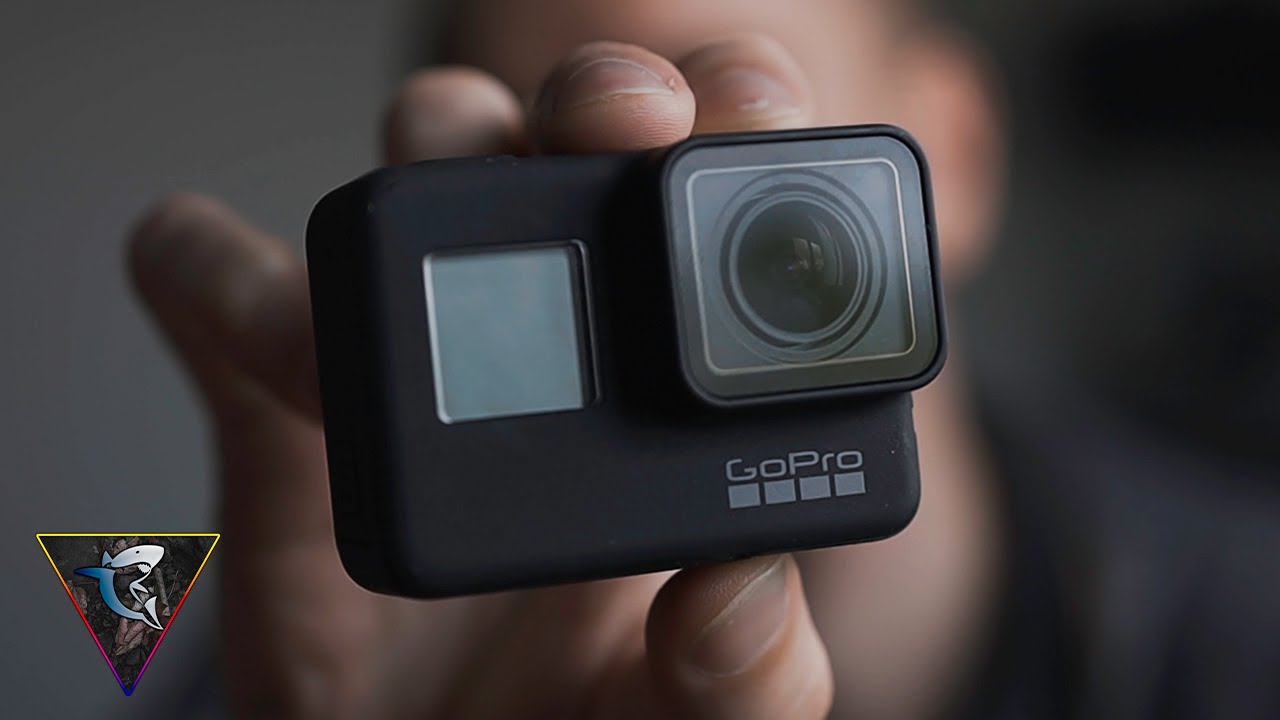
GoPro cameras are designed for action sports, but their specific combination of features makes them useful for a surprisingly wide range of activities. For motorcycle riders specifically, the GoPro’s capabilities go well beyond simply recording a ride. This guide covers the practical uses that deliver the most value for riders at every level.

What Is a GoPro Camera Good For?

1. Motorcycle Ride Documentation

The most common use for GoPro cameras among motorcyclists. Recording your ride serves three purposes:

  • Memory: Watching back footage from a great ride, sharing memorable sections with fellow riders
  • Insurance protection: If another driver causes an incident, camera footage is the clearest evidence of fault. UK police forces accept GoPro footage as evidence; US insurance companies use it to assess liability.
  • Safety documentation: Building a record of close calls, dangerous driving by other road users, and road hazard documentation

GoPro’s HyperSmooth stabilization makes recording practical at all speeds — the footage is smooth enough to be reviewed usefully, not just a shaky blur.

2. YouTube Motovlogging

Motovlogging — talking to camera while riding, sharing routes, reviewing gear, and building a riding community on YouTube — is one of the fastest-growing motorcycle content formats. GoPro Hero 13 paired with an external microphone (Rode Wireless GO II, DJI Mic Mini) is the standard equipment for serious motovloggers.

The GoPro’s 4K resolution and HyperSmooth produce professional-looking footage that keeps viewers watching. Channels like FortNine, Moto Adventures, and numerous UK touring channels use GoPro as their primary camera.

3. Riding Technique Analysis

Track day riders and serious road riders use GoPro footage to improve their technique. Recording a lap or a route, then reviewing it in slow motion (120fps = 4x slower than real time), reveals:

  • Braking points and whether they’re early or late relative to the apex
  • Body position through corners and how it changes with confidence
  • Vision and where you’re looking through corners
  • Throttle and brake application smoothness (visible in suspension movement)

The GoPro Hero 13’s GPS overlay in the Quik app adds speed data to footage — useful for comparing corner entry and exit speeds between sessions.

4. Route Exploration Recording

Documenting new routes for later reference, or sharing them with other riders in a club or forum. A GoPro recording of a great B-road section is useful social content, a practical route reference, and a memory. At 4K resolution, road sign text is readable — which makes footage useful as a navigational aid when revisiting a route.

5. Multi-Sport Use

Unlike purpose-built motorcycle cameras, GoPros work across activities:

  • Skiing / snowboarding — top-mount on ski helmet; standard for resort and backcountry filming
  • Mountain biking — chin mount for trail riding; DH mountain bikers use GoPro as the standard
  • Water sports — surfing, kayaking, wake boarding; GoPro’s waterproof housing is rated to 10m
  • Cycling — top mount for road cycling; captures routes and commuting incidents
  • Travel — handheld and on monopod for general travel video; compact enough to carry everywhere

This multi-use versatility justifies the price for riders who also ski, cycle, or travel — one camera covers all activities rather than buying separate specialist cameras.

6. Vehicle Dashcam

A GoPro mounted on a vehicle’s windscreen (suction cup mount) functions as a dashcam. It’s more capable than most dedicated dashcams — better resolution, better stabilization, better low-light performance. Limitation: no loop recording in standard mode. GoPro’s Dashcam mode (added in Hero 12) addresses this with continuous loop recording.

7. Wildlife and Nature Photography

The wide-angle lens and small form factor make GoPros useful for wildlife photography where a large camera would disturb animals. The waterproof design handles outdoor conditions. Not a replacement for a telephoto lens, but useful for close-range nature footage.

What GoPro Is NOT Good For

Understanding limitations helps set realistic expectations:

  • Zoom photography: GoPro uses fixed wide-angle lenses. No optical zoom. Not suitable for distant subjects.
  • Low-light photography: The 1/1.9-inch sensor is capable but limited compared to larger-sensor cameras. Portrait and interior photography at night is not where GoPros excel.
  • Professional film production: For YouTube content and social media, GoPro footage is excellent. For broadcast television or cinema, the compression, dynamic range, and latitude limitations of action cameras become visible.
  • Long-form interviews: The wide-angle lens creates unflattering facial distortion at close range. Not suitable for talking-head style video without a narrow FOV lens attachment.

GoPro Models for Motorcycle Riders: Quick Reference

GoPro Model Best For Price
Hero 13 Black Maximum quality, motovlogging, track days ~$399
Hero 12 Black Same quality as Hero 13 at lower price ~$299
Hero 11 Black Great value, same sensor as Hero 12/13 ~$249
Hero (entry) Budget option, basic recording ~$179

Use our free Camera Recommender to get a specific GoPro model recommendation matched to your riding style and budget — takes 60 seconds.

Frequently Asked Questions

Can a GoPro replace a phone camera?

For action and activity recording: yes, GoPros typically outperform phones due to superior stabilization and waterproofing. For portraits, low-light photography, and versatile everyday photography: no, modern smartphone cameras with computational photography are more capable for general use.

Is GoPro the best action camera?

For most riders, yes — GoPro’s HyperSmooth stabilization, mount ecosystem, and proven durability make it the best-tested option. DJI Osmo Action 5 Pro has better battery life and a larger sensor; Insta360 X5 offers unique 360° capabilities. The “best” depends on your specific priorities. Our Camera Recommender tool matches you to the right camera for your situation.

How long does a GoPro last?

GoPro cameras are regularly used for 5–7 years by active riders before being upgraded or replaced. The Hero 7 Black (2018) is still used by many riders today. Battery health degrades over time — expect to replace the battery after 200–300 charge cycles. The camera itself is typically durable enough to outlast several batteries.

Official resources: Full GoPro camera range | GoPro mount accessories for motorcycles.

Get Your Download Immediately

Get Instant access to our Digital Helmet Camera ebook

You have Successfully Subscribed!