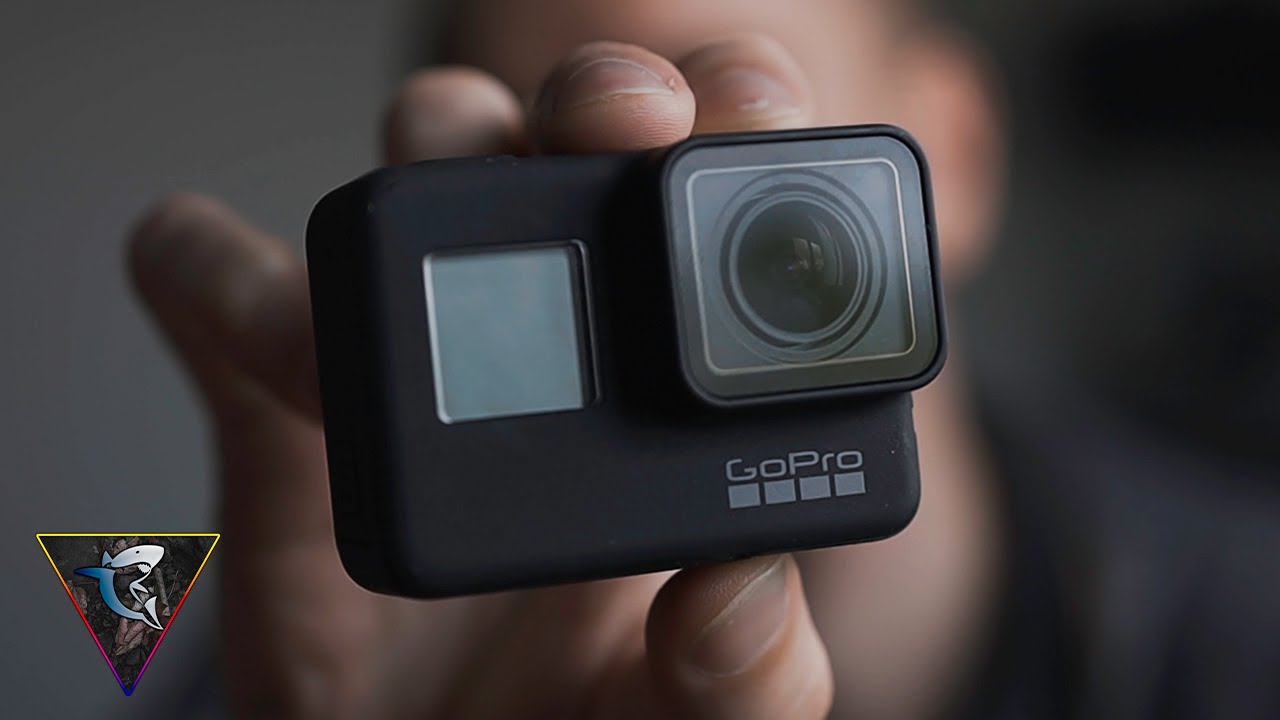
What Is a GoPro Camera Good For? 7 Best Uses for Motorcycle Riders

8 Reasons Why You Should Buy A GoPro

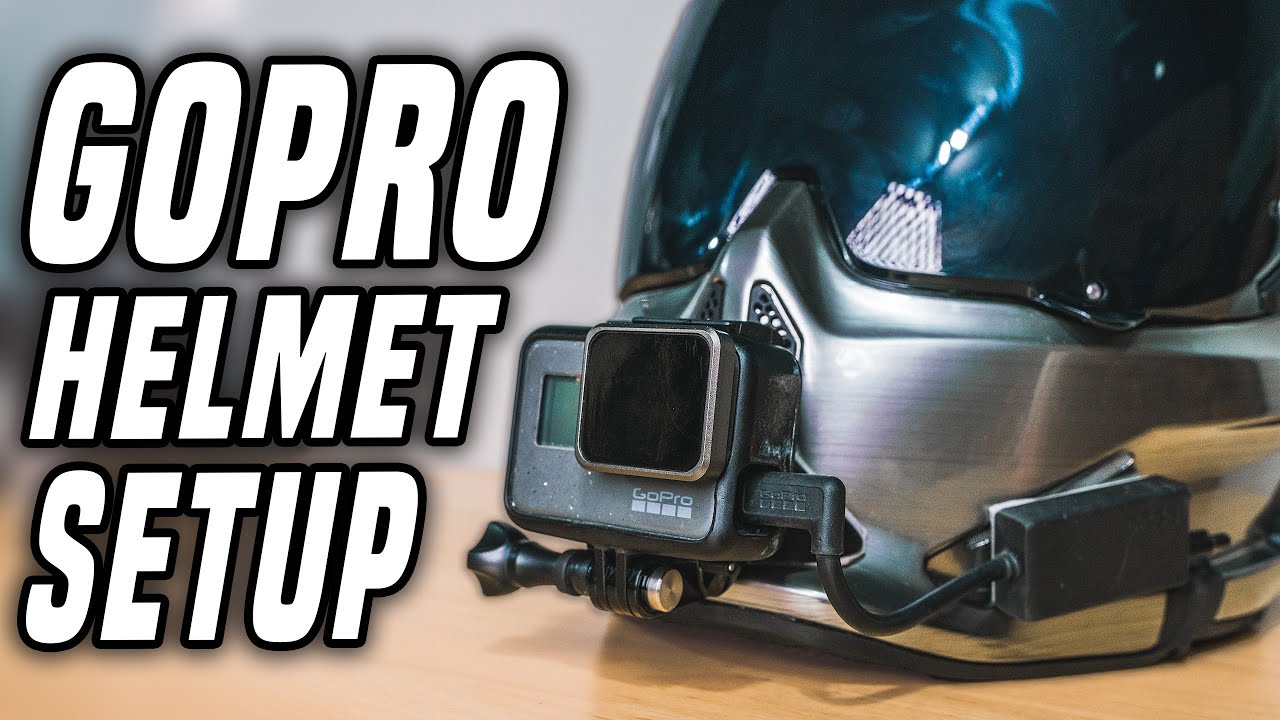
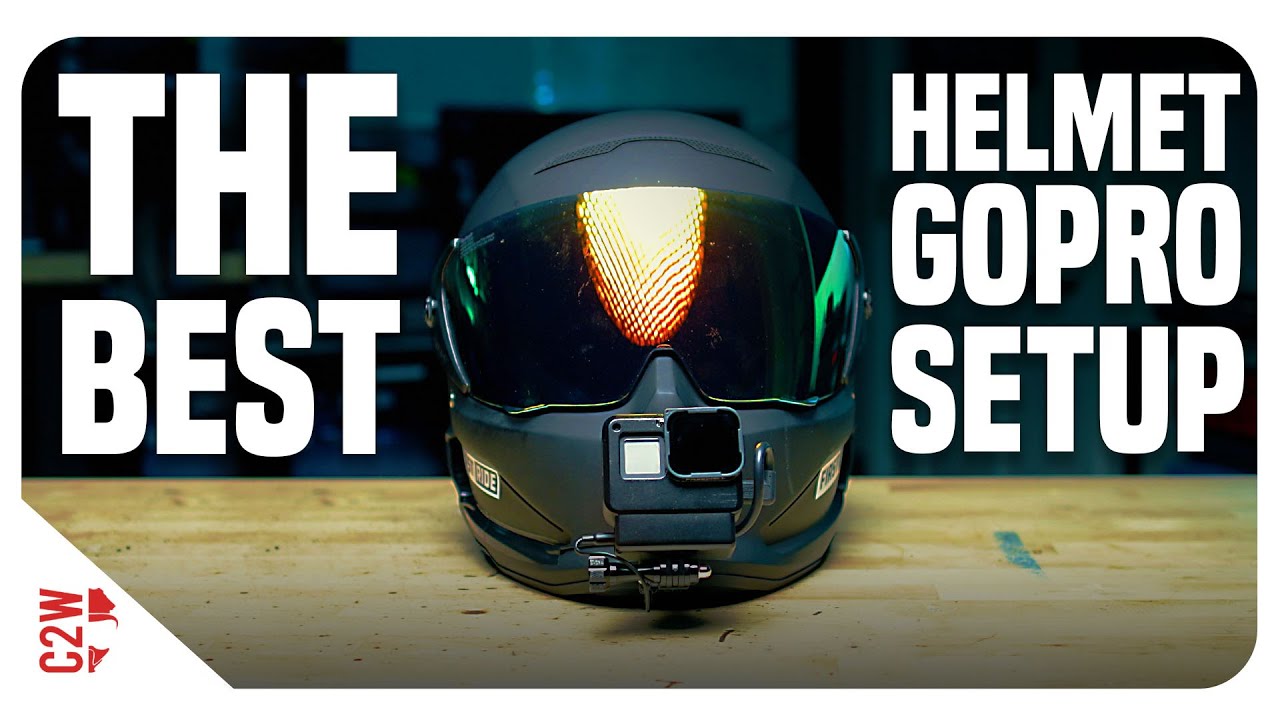
GoPro cameras are designed for action sports, but their specific combination of features makes them useful for a surprisingly wide range of activities. For motorcycle riders specifically, the GoPro’s capabilities go well beyond simply recording a ride. This guide covers the practical uses that deliver the most value for riders at every level.

What Is a GoPro Camera Good For?

1. Motorcycle Ride Documentation

The most common use for GoPro cameras among motorcyclists. Recording your ride serves three purposes:

  • Memory: Watching back footage from a great ride, sharing memorable sections with fellow riders
  • Insurance protection: If another driver causes an incident, camera footage is the clearest evidence of fault. UK police forces accept GoPro footage as evidence; US insurance companies use it to assess liability.
  • Safety documentation: Building a record of close calls, dangerous driving by other road users, and road hazard documentation

GoPro’s HyperSmooth stabilization makes recording practical at all speeds — the footage is smooth enough to be reviewed usefully, not just a shaky blur.

2. YouTube Motovlogging

Motovlogging — talking to camera while riding, sharing routes, reviewing gear, and building a riding community on YouTube — is one of the fastest-growing motorcycle content formats. GoPro Hero 13 paired with an external microphone (Rode Wireless GO II, DJI Mic Mini) is the standard equipment for serious motovloggers.

The GoPro’s 4K resolution and HyperSmooth produce professional-looking footage that keeps viewers watching. Channels like FortNine, Moto Adventures, and numerous UK touring channels use GoPro as their primary camera.

3. Riding Technique Analysis

Track day riders and serious road riders use GoPro footage to improve their technique. Recording a lap or a route, then reviewing it in slow motion (120fps = 4x slower than real time), reveals:

  • Braking points and whether they’re early or late relative to the apex
  • Body position through corners and how it changes with confidence
  • Vision and where you’re looking through corners
  • Throttle and brake application smoothness (visible in suspension movement)

The GoPro Hero 13’s GPS overlay in the Quik app adds speed data to footage — useful for comparing corner entry and exit speeds between sessions.

4. Route Exploration Recording

Documenting new routes for later reference, or sharing them with other riders in a club or forum. A GoPro recording of a great B-road section is useful social content, a practical route reference, and a memory. At 4K resolution, road sign text is readable — which makes footage useful as a navigational aid when revisiting a route.

5. Multi-Sport Use

Unlike purpose-built motorcycle cameras, GoPros work across activities:

  • Skiing / snowboarding — top-mount on ski helmet; standard for resort and backcountry filming
  • Mountain biking — chin mount for trail riding; DH mountain bikers use GoPro as the standard
  • Water sports — surfing, kayaking, wake boarding; GoPro’s waterproof housing is rated to 10m
  • Cycling — top mount for road cycling; captures routes and commuting incidents
  • Travel — handheld and on monopod for general travel video; compact enough to carry everywhere

This multi-use versatility justifies the price for riders who also ski, cycle, or travel — one camera covers all activities rather than buying separate specialist cameras.

6. Vehicle Dashcam

A GoPro mounted on a vehicle’s windscreen (suction cup mount) functions as a dashcam. It’s more capable than most dedicated dashcams — better resolution, better stabilization, better low-light performance. Limitation: no loop recording in standard mode. GoPro’s Dashcam mode (added in Hero 12) addresses this with continuous loop recording.

7. Wildlife and Nature Photography

The wide-angle lens and small form factor make GoPros useful for wildlife photography where a large camera would disturb animals. The waterproof design handles outdoor conditions. Not a replacement for a telephoto lens, but useful for close-range nature footage.

What GoPro Is NOT Good For

Understanding limitations helps set realistic expectations:

  • Zoom photography: GoPro uses fixed wide-angle lenses. No optical zoom. Not suitable for distant subjects.
  • Low-light photography: The 1/1.9-inch sensor is capable but limited compared to larger-sensor cameras. Portrait and interior photography at night is not where GoPros excel.
  • Professional film production: For YouTube content and social media, GoPro footage is excellent. For broadcast television or cinema, the compression, dynamic range, and latitude limitations of action cameras become visible.
  • Long-form interviews: The wide-angle lens creates unflattering facial distortion at close range. Not suitable for talking-head style video without a narrow FOV lens attachment.

GoPro Models for Motorcycle Riders: Quick Reference

GoPro Model Best For Price
Hero 13 Black Maximum quality, motovlogging, track days ~$399
Hero 12 Black Same quality as Hero 13 at lower price ~$299
Hero 11 Black Great value, same sensor as Hero 12/13 ~$249
Hero (entry) Budget option, basic recording ~$179

Use our free Camera Recommender to get a specific GoPro model recommendation matched to your riding style and budget — takes 60 seconds.

Frequently Asked Questions

Can a GoPro replace a phone camera?

For action and activity recording: yes, GoPros typically outperform phones due to superior stabilization and waterproofing. For portraits, low-light photography, and versatile everyday photography: no, modern smartphone cameras with computational photography are more capable for general use.

Is GoPro the best action camera?

For most riders, yes — GoPro’s HyperSmooth stabilization, mount ecosystem, and proven durability make it the best-tested option. DJI Osmo Action 5 Pro has better battery life and a larger sensor; Insta360 X5 offers unique 360° capabilities. The “best” depends on your specific priorities. Our Camera Recommender tool matches you to the right camera for your situation.

How long does a GoPro last?

GoPro cameras are regularly used for 5–7 years by active riders before being upgraded or replaced. The Hero 7 Black (2018) is still used by many riders today. Battery health degrades over time — expect to replace the battery after 200–300 charge cycles. The camera itself is typically durable enough to outlast several batteries.

Official resources: Full GoPro camera range | GoPro mount accessories for motorcycles.
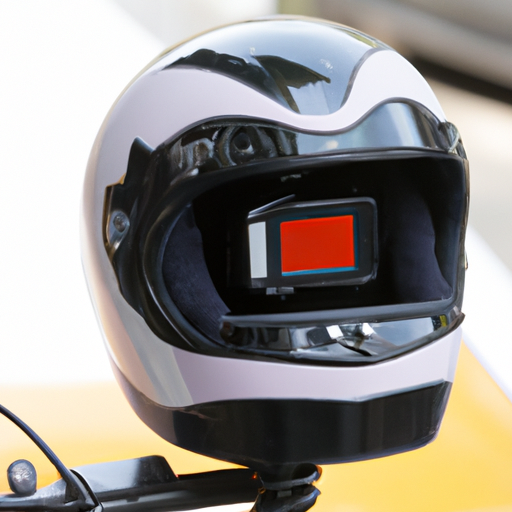
Are Helmet Cameras Safe? Physical Safety, Road Safety & Legal Status

helmet4

Helmet cameras are legal and widely used by motorcycle riders across the US, UK, Europe, and Australia — but “are they safe?” is a question with two distinct answers: one about physical safety to the rider, and one about road safety implications. This guide covers both, with specific research and evidence rather than speculation.

Are Helmet Cameras Physically Safe for Riders?

The Research on External Camera Mounts

The primary safety concern about helmet cameras is whether an external protrusion increases injury risk in a crash. The evidence is nuanced:

UK research (SHARP helmet testing): SHARP (Safety Helmet Assessment and Rating Programme) has tested helmets with mounted cameras. Their findings indicate that external protrusions increase the risk of rotational force transfer to the head during a glancing impact — but primarily when the camera is a rigid block with a large surface area that catches the ground.

Real-world rider data: Helmet cameras have been worn by millions of riders over 15+ years without a documented spike in helmet-related head injuries attributable to camera mounts. This isn’t definitive evidence, but it provides meaningful context alongside the laboratory research.

What Reduces the Safety Risk

The safety risk varies significantly with mount design:

  • Breakaway mounts are safer — mounts designed to release on impact (rather than hold rigid) reduce rotational force transfer. GoPro’s own chin mounts are not explicitly rated as breakaway, but chin bar positioning naturally provides some protection from ground contact.
  • Chin mounts are safer than top mounts — a camera on the top of the helmet has direct exposure to ground contact in a fall. A chin bar mount is protected by the chin bar in most crash scenarios.
  • Lighter cameras are safer — the Insta360 GO 3S at 35g creates significantly less pendulum mass than a GoPro at 154g. For riders very concerned about safety impact, lighter cameras reduce the risk.
  • Internal cameras are safest — cameras mounted inside the helmet (INNOVV H5, some Sena models) have zero external protrusion.

FIM and Race Regulations

The FIM (Fédération Internationale de Motocyclisme) regulates helmet cameras in official motorsport. Current FIM rules (updated 2023) require:

  • Camera weight under 150g for helmet-mounted devices in top-level competition
  • Cameras must be mounted with approved bracket systems
  • No external protrusions exceeding 3cm above the helmet shell in some categories

Club-level racing and trackday regulations vary by organiser — always check specific event rules before mounting a camera at a race or track day.

Helmet Camera Road Safety: Benefits

Insurance and Legal Protection

The most concrete road safety benefit of helmet cameras is documentation. Insurance claims involving motorcyclists are frequently disputed because motorcycles are assumed to be at fault by default in many collision scenarios. Camera footage:

  • Provides objective evidence of fault in a collision
  • Documents road conditions, traffic behaviour, and hazards at the time of an incident
  • Records speed, positioning, and other rider behaviour relevant to fault assessment
  • Has been used successfully in UK, US, and Australian courts to establish liability

UK motorcyclist advocacy groups including the Motorcycle Action Group (MAG) actively encourage helmet camera use for exactly this reason.

Evidence Against Dangerous Drivers

Helmet camera footage has led to prosecutions of dangerous drivers across the UK and US. Notable examples include riders submitting footage to police of drivers who ran red lights, cut across lanes, or performed dangerous overtakes. Several UK police forces (including West Mercia, Thames Valley, and Avon & Somerset) have dedicated online portals for riders to submit dashcam/helmet cam footage.

Improved Riding Awareness

A secondary benefit some riders report: knowing your ride is being recorded creates a slight but measurable increase in riding discipline. This is the “observer effect” — behaviour improves when it’s being recorded, even by yourself.

Potential Road Safety Concerns

Distraction from Adjusting Settings

The risk of operating camera settings while riding is real. Modern cameras mitigate this through: voice control (GoPro Hero 13 supports “GoPro, start recording”), simple physical buttons, and the ability to start recording before setting off and leave it running throughout the ride.

Best practice: Start recording before you put your helmet on. Don’t adjust settings while moving.

Aerodynamic Impact at High Speed

A camera on top of or at the side of a helmet increases aerodynamic drag. This creates head/neck fatigue on long high-speed rides and can cause the helmet to wobble slightly at very high speeds, potentially affecting rider comfort and reaction time.

Mitigation: Chin mount position reduces aerodynamic impact significantly vs. top mount. Keep camera positioning as low-profile as possible.

Legal Status: Are Helmet Cameras Legal?

In the vast majority of jurisdictions, helmet cameras are legal. Specific considerations:

  • UK: Legal. No specific laws restrict helmet cameras. Audio recording in public spaces is generally legal.
  • US: Legal in all 50 states at the hardware level. Audio recording laws vary — some states require two-party consent for audio recording of conversations. Video-only recording has no consent requirements.
  • EU: Legal in most countries. GDPR considerations apply when footage includes identifiable individuals, but personal use is generally exempt.
  • Australia: Legal. Some states have specific exemptions for safety recording devices on vehicles.

For a comprehensive state-by-state legal guide, see our Legal Guides section.

Verdict: Are Helmet Cameras Safe?

For the vast majority of riders in the vast majority of riding situations: yes, helmet cameras are safe and provide a net benefit. The documented safety benefits (insurance protection, dangerous driver evidence, legal protection) outweigh the marginal theoretical crash risk — particularly when using a chin mount design rather than a protruding top mount.

The riders with the most legitimate reason to consider the safety trade-off are those who race competitively (where FIM rules apply) or who ride with very aggressive cornering where crash scenarios are more likely and the specific mount design matters more.

Frequently Asked Questions

Do helmet cameras void helmet warranties?

Adhesive mounts that modify the helmet shell can void manufacturer warranties on some helmets. Non-adhesive chin mounts that clamp to the chin bar without modifying the shell typically do not affect the warranty. Check your specific helmet manufacturer’s guidance if this is a concern.

Can helmet camera footage be used against me in an insurance claim?

Yes — footage is objective evidence and applies equally regardless of who is at fault. If footage shows rider error, it can be used by the other party. However, the same footage showing defensive riding and the other driver’s fault is far more likely to be relevant in most incidents. The evidence benefit outweighs the risk for most riders.

Are there helmets designed specifically for camera mounting?

Several helmet manufacturers offer models with integrated camera-mount compatibility. Bell’s Race Star Flex DLX is designed with GoPro chin mount compatibility. Arai’s newer models include provision for camera-mounting accessories. These helmets maintain certification integrity when used with approved mount systems.

Official resources: UK government guidance on vehicle cameras | GoPro camera specifications.

How to Mount a GoPro on a Motorcycle Helmet: Step-by-Step Guide

The BEST GoPro Helmet Mount Setup (for EVERY Helmet) | *Plus GoPro settings!*

Mounting a GoPro to a motorcycle helmet is straightforward — but there are several decisions that significantly affect the quality of your footage, the security of the mount, and whether your camera survives a crash. This step-by-step guide covers the three most common mounting methods with specific hardware recommendations for each helmet type.

The Three Main Ways to Mount a GoPro on a Motorcycle Helmet

Method 1: Chin Mount (Best for Full-Face Helmets)

The chin mount is the recommended position for motorcycle filming. The camera sits on the chin bar of your full-face helmet, pointing forward, at roughly eye level.

What you need:

  • GoPro Helmet Chin Mount (~$49.99) OR a compatible third-party chin mount (ULANZI U-400 ~$18, Telesin ~$15)
  • GoPro Hero 13 (or any current GoPro)
  • Optional: Anti-vibration mount pad if you’re on a high-vibration bike

Step-by-step installation:

  1. Identify the correct chin bar adapter for your helmet — the GoPro Helmet Chin Mount ships with multiple adapter plates for different chin bar widths
  2. Slide the adapter around the chin bar and fasten the two securing screws finger-tight first to confirm it sits level
  3. Tighten the screws firmly with the included hex key — the mount should not move when you pull it forward or sideways
  4. Click the GoPro onto the mount’s quick-release clip
  5. Adjust the camera angle downward approximately 10–15° from straight ahead — this compensates for the natural forward lean of your head when riding
  6. Test-record a 30-second clip and review the angle before your first ride

How to check the angle is right: The horizon should appear in the upper third of the frame when you’re in your normal riding position. Too high and you’ll see only road. Too low and you’ll see sky.

Method 2: Top Mount (For Any Helmet Type)

The top mount attaches to the top or back of the helmet and is the standard method for open-face, modular, and half-helmets where a chin mount isn’t possible.

Option A — Vented Helmet Strap Mount (no adhesive, reversible):

  • GoPro Vented Helmet Strap Mount (~$19.99) — adjustable strap fits around any helmet vent system
  • Position the camera as far forward on the helmet as the strap allows
  • Run the strap through two adjacent vents, tighten, and clip the GoPro on
  • Limitation: not as secure as adhesive mounts; can slip on smooth shells

Option B — Adhesive Curved Mount (permanent, most secure):

  • GoPro Curved Adhesive Mount (~$8 for 3-pack)
  • Clean the helmet surface with the included alcohol wipe — adhesive fails on dirty or waxed surfaces
  • Peel the 3M backing and press the mount firmly for 60 seconds in the centre of the top of the helmet
  • Allow 24 hours cure time before riding — the 3M VHB adhesive needs this time to reach full strength
  • Attach the GoPro mount buckle and twist-lock it into position

Important: Adhesive mounts are semi-permanent. Removal is possible but may leave residue or damage helmet paint. Consider this before committing to a smooth-shell helmet.

Method 3: Side Mount

Side mounting uses the same adhesive or strap system as the top mount but positioned at the temple or side of the helmet. This gives an offset angle rather than the standard forward POV.

When to use side mount: For variety shots and creative B-roll when you have a second camera or are doing slow-speed riding. Not recommended for sustained motorway riding due to aerodynamic drag and lateral vibration.

Which Mount Position Is Right For You?

Helmet Type Recommended Mount Product
Full-face (road) Chin mount GoPro Helmet Chin Mount or ULANZI U-400
Full-face (motocross) Chin mount GoPro Helmet Chin Mount with breakaway
Modular/flip-front Top mount (chin works if chin bar is solid) GoPro Vented Strap or adhesive
Open-face / 3/4 Top mount GoPro Vented Strap
Half helmet Top mount (compact camera only) Adhesive curved mount

Securing the Mount for Highway Speeds

At motorway speeds, aerodynamic forces put stress on both the camera and mount. These steps prevent camera loss:

  1. Use the tether — GoPro’s adhesive mounts include a tether attachment point. Thread the included safety tether through the camera’s tether hole and attach to the mount or helmet strap. If the camera detaches, it won’t hit traffic.
  2. Check the quick-release buckle before every ride — pull the camera forward and backward. It should be solid with no movement.
  3. Loctite Blue on the chin mount screws prevents vibration loosening over time without permanently bonding (unlike Red Loctite).
  4. Replace worn thumb screws — the knurled plastic screws on GoPro mounts strip over time. Metal replacement screws (~$5 on Amazon) are far more durable for motorcycle use.

Adjusting Camera Angle for Correct Framing

The GoPro mount buckles allow adjustment in 30° increments. For most riders:

  • Chin mount: position 2 or 3 clicks down from horizontal gives correct horizon placement
  • Top mount: position 1 or 2 clicks down — less correction needed from the elevated position

The exact angle depends on your riding position. Riders with a more aggressive forward lean need less downward tilt than riders in an upright touring position. Do a quick test ride at the start, review the footage, and adjust one click at a time until the horizon sits correctly.

Using the Mount Advisor for Your Specific Setup

Helmet shapes and chin bar profiles vary significantly between brands. Our Mount Advisor tool identifies the specific mount hardware compatible with your helmet model and camera, and recommends the optimal angle adjustment for your riding position.

Frequently Asked Questions

Will a GoPro chin mount fit my Shoei/Arai/Bell helmet?

Most chin mounts include multiple adapter plates for different chin bar widths. GoPro’s own Helmet Chin Mount is compatible with the majority of major helmet brands. For Arai helmets specifically, the narrower chin bar sometimes needs the narrowest adapter plate — check the Mount Advisor for your specific model.

Can I remove an adhesive mount without damaging my helmet?

Yes, with care. Use a hair dryer to warm the adhesive pad for 30 seconds, then use dental floss slid underneath the mount to cut through the adhesive layer. Remove remaining adhesive residue with Goo Gone or isopropyl alcohol. There may be slight paint dulling under the pad if the helmet has a gloss finish.

How do I prevent the GoPro from vibrating loose mid-ride?

Three steps: (1) Check the quick-release buckle is fully engaged (listen for the click). (2) Apply Loctite Blue to the chin mount screws and allow to cure for 24 hours. (3) Use an anti-vibration mount pad underneath if you’re on a high-vibration engine. Replace the twist-lock buckle if you notice any play in the connection.

Official resources: GoPro official mount accessories | GoPro Hero 13 setup guide.

What Is a Helmet Camera Called? Action Cam Terminology Explained

helmet1 1

A head camera goes by several names depending on the industry and use case. Understanding the terminology helps when searching for cameras, mounts, and accessories — and knowing the differences between camera types helps you buy the right one. This guide clarifies the terminology and helps you navigate to the right product for your needs.

What Is a Head Camera Called?

The most common terms for cameras worn on or attached to the head:

  • Helmet camera / helmet cam — most common term for cameras mounted on sport or motorcycle helmets. Used in motorcycling, cycling, skiing, snowboarding, and equestrian sports.
  • Action camera — broader term for compact cameras designed for active recording. An action camera becomes a helmet camera when mounted on a helmet. GoPro, DJI Osmo Action, and Insta360 make action cameras that riders use as helmet cameras.
  • POV camera — “Point of View” camera; emphasises the first-person perspective aspect. Used more often in filmmaking and production contexts.
  • Head-mounted camera — clinical/technical term; used in medical, police, and professional contexts for cameras that mount directly to the head rather than a helmet.
  • Body camera / bodycam — more commonly refers to cameras worn on the torso (law enforcement, sports). Chest mounts and body cameras overlap with head cameras in some use cases.
  • Dashcam (motorcycle) — specifically refers to cameras used for safety/incident documentation that record in continuous loops. The Techalogic DC-1 bridges helmet camera and motorcycle dashcam.

How Action Cameras Became Helmet Cameras

When GoPro launched in 2004, it was marketed primarily as a wrist-mounted surfing camera. Helmet mounting became popular as riders discovered that GoPro’s small form factor and wide-angle lens created compelling first-person footage. The term “GoPro” became synonymous with helmet cameras in the same way “Hoover” became synonymous with vacuum cleaners.

Today, “action camera” and “helmet camera” are largely interchangeable — the same physical product serves both descriptions, with the use case determined by the mount.

Types of Head/Helmet Cameras Explained

Action Cameras (General Purpose)

Designed for any active sport. Compact, waterproof, wide-angle, with electronic stabilization. Examples: GoPro Hero 13 Black (~$399), DJI Osmo Action 5 Pro (~$269), Insta360 X5 (~$499).

Ideal for: Riders who want the best image quality and use the camera across multiple activities.

Purpose-Built Motorcycle Cameras

Designed specifically for motorcycle helmet use. May include features like dual lenses, loop recording, or integration with helmet audio systems. Examples: Techalogic DC-1 (~$199), INNOVV H5, Sena 50C (camera + comms).

Ideal for: Commuters and riders who prioritise safety documentation.

360-Degree Cameras

Capture a spherical image in all directions simultaneously. The Insta360 X5 and Insta360 ONE RS 1-inch 360 Edition are the leading options. Footage is reframed in post-production to choose the viewing angle.

Ideal for: Content creators who want flexible, dynamic footage.

Integrated Helmet Cameras

Cameras built into the helmet or integrated invisibly. The INNOVV H5 mounts inside the visor housing. The Sena 50C combines a Bluetooth communication system with an integrated camera. These are purpose-built systems with limited upgrade paths.

Ideal for: Riders who want invisible camera integration and don’t want external hardware.

What to Call Your Camera When Searching for Accessories

When searching for mounts, cases, and accessories, use these terms to find what you need:

What You Want Best Search Term
Helmet mount for GoPro “GoPro helmet chin mount” or “GoPro motorcycle helmet mount”
Helmet mount for DJI “DJI Osmo Action helmet mount” or “DJI chin mount”
Universal mount “action camera chin mount” or “POV camera helmet mount”
Motorcycle-specific camera “motorcycle helmet camera” or “motorcycle dashcam helmet”
Safety/insurance documentation “motorcycle helmet dashcam” or “dual lens motorcycle camera”

The Three Decisions Before You Buy

Regardless of what it’s called, buying the right head camera comes down to three questions:

  1. What are you using it for? — safety documentation, content creation, technique analysis, or all three?
  2. What helmet do you have? — full-face, open-face, or modular determines which mounts work
  3. What’s your budget? — genuine quality starts at ~$150; the best cameras are ~$299–399

Our free Camera Recommender handles all three questions in 60 seconds and gives you a specific camera recommendation with current pricing and where to buy it.

Frequently Asked Questions

What is a GoPro used for on a motorcycle?

Three primary uses: recording rides for YouTube/social content, documenting incidents for insurance claims, and analysing riding technique via slow-motion playback. GoPro’s size, waterproofing, and stabilization make it the most versatile option for all three.

Is there a difference between an action camera and a helmet camera?

An action camera is the hardware; a helmet camera describes how it’s mounted. The same GoPro Hero 13 is an action camera in general, and a helmet camera when mounted to a helmet. Some cameras are designed specifically for helmet use (Techalogic DC-1, INNOVV H5) and aren’t typically used for other activities.

What camera do motorcycle police use?

Law enforcement motorcycle units typically use Axon Body cameras, Reveal Media RS cameras, or purpose-built police body camera systems — not consumer action cameras. These have encrypted storage and specific legal evidence requirements that consumer cameras don’t meet.

Official resources: GoPro official website | DJI action cameras | Insta360 official website.

Best Motorcycle Helmet Camera: Top 5 Ranked

Best Motorcycle Camera in 2022 [Top 5 Picks For Bikers]

Motorcycle helmet cameras serve three very different purposes: capturing your rides for social content, documenting incidents for insurance, and analysing your riding technique. The “best” camera depends entirely on which of these is your priority. This guide cuts through the noise with specific recommendations for each motorcycle riding type.

Models covered: the cameras named in this guide. Manufacturers release new models regularly, so check current lineups, specifications and prices on the manufacturer pages before buying.

Top 5 Motorcycle Helmet Cameras by Category

1. GoPro Hero 13 Black — Best Overall

Price: ~$399

The GoPro Hero 13 Black is our pick for best all-round motorcycle helmet camera among the models compared here. HyperSmooth 6.0 is designed to handle motorway vibration, track conditions and off-road surfaces. The 5.3K sensor means you can crop and reframe footage after the fact without losing quality. The new modular lens system adds a 177° ultra-wide option with full horizon lock — a strong option for wide-angle motorcycle POV footage from a single camera.

Best for: Motovloggers, track day riders, adventure tourers who want the best image quality
Weakness: Battery life (~90 min at 4K/60fps) requires battery management on long rides

2. DJI Osmo Action 5 Pro — Best Battery Life

Price: ~$269

The Osmo Action 5 Pro’s 130-minute battery life at 4K/60fps is 45% better than the Hero 13. The 1/1.3-inch sensor — the largest in any action camera at this price — handles the challenging light conditions of dawn, dusk, and overcast British weather better than smaller-sensor competitors. RockSteady 4.0 is a genuine rival to HyperSmooth for on-road stabilization.

Best for: Touring riders, commuters, anyone who rides for more than 90 minutes without stops
Weakness: Smaller accessory ecosystem than GoPro; no 5K+ resolution option

3. Insta360 X5 — Best for Content Creators

Price: ~$499

The Insta360 X5 records 360° at 8K, which means every angle is captured simultaneously. In post-production, you choose where the camera points — which means you’re never stuck with footage that doesn’t show what you intended. The “invisible selfie stick” effect makes the mount hardware disappear in the final edit, creating floating, professional-looking shots.

Best for: YouTube content creators, social media riders who want dynamic footage
Weakness: Heavier than single-lens cameras; requires more editing time; shorter battery life in 360° mode (~80 min)

4. Techalogic DC-1 — Best Safety Camera

Price: ~$199

The only dual-lens motorcycle helmet camera — records front and rear simultaneously. Continuous loop recording with incident-triggered file locking makes it the most practical camera for commuters who want documentation without managing files. Simple two-button operation works with motorcycle gloves. IP67 waterproof.

Best for: Daily commuters, riders who prioritise safety documentation over content quality
Weakness: 1080p resolution is adequate for documentation but not cinematic; no 4K

5. DJI Osmo Action 3 — Best Budget Choice

Price: ~$149

At this price, the Action 3 beats everything else available. 4K/120fps, RockSteady 3.0, 160-minute battery (at 1080p/60fps), and full waterproofing to 11 metres. The 1/1.7-inch sensor is smaller than newer DJI models, but in daylight riding conditions the practical difference is minimal.

Best for: Riders who want genuine 4K stabilization without spending $300+
Weakness: Weaker low-light performance than Action 4/5 Pro; no 4K/120fps option (Action 4 added this)

Choosing by Riding Type

Daily Commuting

Priority: Simplicity, safety documentation, reliability
Recommendation: Techalogic DC-1 or DJI Osmo Action 3
Why: Commuting doesn’t require cinema quality. The DC-1’s loop recording means you never run out of storage and always have the last few hours covered. The Action 3 is better if you occasionally want to share clips.

Road Touring

Priority: Battery life, weather protection, ease of use
Recommendation: DJI Osmo Action 5 Pro
Why: Long riding days need long battery life. The Action 5 Pro’s 130 minutes at 4K covers most morning or afternoon sessions. The dual screen makes framing easy without removing the camera. IP68 waterproofing handles UK weather without worry.

Track Days

Priority: Maximum stabilization, 120fps for analysis, durability
Recommendation: GoPro Hero 13 Black
Why: Track day environments require the most from stabilization systems. The Hero 13’s HyperSmooth 6.0 and 4K/120fps recording for slow-motion corner analysis make it the definitive choice. GPS data overlay via GoPro Quik adds speed and line analysis.

Motovlogging

Priority: Audio quality, dual screen, image quality
Recommendation: DJI Osmo Action 5 Pro + DJI Mic Mini
Why: The dual screen makes solo recording easier. The DJI Mic Mini provides clean audio at any speed. The 1/1.3-inch sensor gives better dynamic range for the varied lighting conditions of real rides.

Adventure / Off-Road

Priority: Durability, waterproofing, battery life
Recommendation: DJI Osmo Action 5 Pro (20m waterproofing) or GoPro Hero 13 (largest mount ecosystem)
Why: Adventure bikes encounter river crossings, mud, and extreme weather. Both cameras handle these conditions — choose DJI for the superior battery life on remote routes, GoPro for the mount ecosystem if you carry multiple camera positions.

Frequently Asked Questions

Do I need a helmet camera for everyday riding?

Not essential, but increasingly common and practically useful. The primary reasons motorcycle riders use cameras: incident documentation for insurance claims, dashcam evidence if another driver’s fault needs proving, and ride memory/content creation. The legal and insurance benefits alone justify the cost for regular commuters.

How do I prevent my helmet camera from fogging?

Anti-fog lens inserts (GoPro’s own or third-party) prevent condensation on the camera lens. The more significant fogging issue is your helmet visor — this is unrelated to the camera. The camera should be outside the visor, so visor fogging doesn’t affect the footage.

What memory card should I use?

For 4K recording: SanDisk Extreme 128GB (V30 rated, ~$22) or Samsung PRO Endurance 128GB (~$25). The PRO Endurance is specifically designed for continuous recording — better for loop recording applications (dashcam use). Avoid generic or Class 10-only cards which drop frames at high bitrates.

Still unsure which camera is right for you? Our free Camera Recommender asks seven questions about your riding and gives you a specific recommendation in 60 seconds.

Official resources: GoPro Hero 13 Black | DJI Osmo Action 3 | Insta360 Ace Pro 2.

Best Headcams for Motorcycle and Action Camera Use

Best Helmet Camera in 2022 [5 Picks For Bicycles, Motorcycles & More]

The term “headcam” (also written head cam or head camera) refers to any small video camera worn on or attached to the head, typically mounted on a helmet. For motorcycle riders, cyclists, skiers and action sports athletes, a headcam provides a first-person POV recording of the activity. This guide compares headcam options for each use case using published specifications and manufacturer documentation. We have not independently lab-tested these cameras.

Updated September 2026. We re-checked the manufacturer sites for the current lineup; see “Newer models” below.

What Makes a Good Headcam?

The right headcam depends on what you are doing with it. A motocross rider has different requirements than a mountain biker, and both differ from a motorcyclist who wants safety documentation. These are the five factors used to compare the cameras below:

  1. Image stabilization: essential for any high-vibration or fast activity
  2. Mount compatibility: whether it works with your specific helmet
  3. Battery life: whether it lasts for your activity’s duration
  4. Durability: whether it is built to survive crashes and weather
  5. Ease of use: whether you can operate it with gloves on, mid-activity

Newer Models to Check First

Action cameras are replaced often. As of September 2026, GoPro’s site lists the HERO13 Black, HERO12 Black and the lower-cost HERO alongside its newer MISSION 1 series and the MAX2 360 camera. DJI lists the Osmo Action 6 as a current product, with a 1/1.1-inch square sensor and a stated 4-hour battery life and cold-resistance claim (manufacturer figures, not our measurements). The models compared below remain widely sold and useful as value options, but check each manufacturer’s current lineup before buying.

Best Headcams by Activity

Motorcycle Riding: GoPro Hero 13 Black

HyperSmooth 6.0 stabilization is designed for engine and road vibration, and the extensive mount ecosystem means it fits most full-face helmets via a chin mount. 4K/120fps supports both daily documentation and slow-motion analysis, and it is waterproof to 10m without a housing.

Motorcycles on a Budget: DJI Osmo Action 3

The Action 3 offers 4K/120fps and RockSteady 3.0 stabilization at a much lower price than current flagships, and DJI rates it for operation in colder conditions than most competitors. It is an older model, so availability varies.

Motocross: GoPro Hero 13 Black

Motocross vibration is more severe than road riding. GoPro’s HyperSmooth stabilization and rugged, waterproof body are built for that kind of use, and chin-mounted GoPros are a common sight in motocross media. Use a safety tether.

Mountain Biking: Insta360 GO 3S

At around 35g, the GO 3S is far lighter than traditional action cameras, which helps on full-day rides where a heavier camera can cause head and neck fatigue. Its magnetic mounting makes it quick to move between helmet, handlebars and chest strap, and FlowState stabilization is designed to compensate for its small size.

Skiing and Snowboarding: GoPro Hero 13 Black

Top-mount compatibility with standard helmet vents, HyperSmooth stabilization and cold-weather battery options (GoPro sells an Enduro battery for low temperatures) make it a common choice on the slopes. Check GoPro’s stated operating temperature range for the conditions you ski in.

Road Cycling: DJI Osmo Action 4

Road cyclists need a compact form factor, good stabilization and compatibility with vented helmet top mounts. The Action 4’s 1/1.3-inch sensor is intended to cope with strong light and shadow contrast on tree-lined routes, and the dual screens make framing easy without removing the camera.

Safety Documentation: Techalogic DC-1

The DC-1 is a dual-lens (front and rear) camera designed as a motorcyclist’s dashcam, with continuous loop recording, incident-triggered file locking and simple two-button operation. It is not a cinematic camera; its purpose is documentation.

Headcam Comparison Table

Camera Best Activity Stabilization Approx. Weight
GoPro Hero 13 Black Motorcycle, motocross, skiing HyperSmooth 6.0 154g
DJI Osmo Action 5 Pro Touring, low light RockSteady 4.0 179g
DJI Osmo Action 3 Budget motorcycle use RockSteady 3.0 145g
Insta360 X5 360°, content creation FlowState 179g
Insta360 GO 3S Mountain biking, ultralight use FlowState 35g
Techalogic DC-1 Safety documentation Electronic (EIS) 85g

Weights are approximate manufacturer figures. Prices change frequently, so check current pricing: GoPro Hero 13 Black | DJI Osmo Action 5 Pro | DJI Osmo Action 6 | Insta360 X5 | Insta360 GO 3S. As an Amazon Associate we earn from qualifying purchases; see our affiliate disclosure.

How to Find Your Best Headcam

Use our free Camera Recommender tool. It takes about a minute and suggests a camera based on your activity, helmet type and budget. No email required.

Frequently Asked Questions

Is a headcam different from a body cam?

A headcam is mounted to the head or helmet. A body cam (or action cam) can be mounted anywhere: chest, handlebars, wrist and so on. The terms are sometimes used interchangeably, but headcam specifically implies head or helmet mounting.

What’s the difference between a helmet cam and a dashcam for motorcycles?

A dashcam records continuously in a loop and is designed primarily for safety and insurance documentation. A helmet cam is typically used for activity recording and content creation. Some cameras (like the Techalogic DC-1) blur the line by offering dashcam-style loop recording in a helmet-mount format.

Do I need a specific mount for each helmet?

Most chin mounts include adapter plates for different chin bar widths and profiles. Our Mount Advisor tool can suggest hardware for your helmet and camera combination.

Official resources: GoPro camera range | DJI action cameras | Insta360 cameras.

Helmet Camera Mount Guide: Chin vs Top vs Side — Which Is Best for Motorcycles?

HOW TO: POV Camera Head Mount - Hands Free Smartphone

The mount is more important than most riders realise. A high-end camera in a poor mount position produces worse footage than a budget camera mounted correctly. This guide covers every mounting option for helmet cameras — the positioning trade-offs, the hardware that works, and which combinations produce the best results for each riding type.

The Four Main Mount Positions

1. Chin Mount

Position: On the chin bar of a full-face helmet, pointing forward.
Best for: Motorcycle road riding, track days, motocross, mountain biking
Perspective: Close to the rider’s eye line — the most natural, immersive POV

Advantages:

  • The chin bar acts as a natural vibration damper — smoother footage than top mounts in many conditions
  • Camera is sheltered from wind by the chin bar, reducing wind noise and aerodynamic drag
  • Lower risk in a crash — the chin bar protects the camera rather than the camera protruding beyond the helmet
  • Best perspective for showing what the rider sees through the visor

Disadvantages:

  • Full-face helmets only (without adapter brackets)
  • Camera can pick up visor reflections if aimed slightly upward

2. Top Mount

Position: On the top of the helmet, as far forward as the slope allows.
Best for: Cycling, skiing, snowboarding, open-face motorcycle helmets
Perspective: Elevated, overhead-ish view — shows more of the environment around the rider

Advantages:

  • Works with any helmet style
  • Elevated perspective shows more scenery, better for landscape/environment showcase
  • Standard for cycling and snow sports

Disadvantages:

  • More aerodynamic drag at highway speeds — can cause discomfort and fatigue on long rides
  • More exposure to vibration without chin bar buffer
  • In a crash, the camera is exposed and can catch on the ground

3. Side Mount

Position: On the side of the helmet, usually at the temple or ear area.
Best for: B-roll, creative angles, slow-speed activities
Perspective: Offset angle — interesting for variety but unnatural as a primary POV

Advantages:

  • Unique angle for variety in edited content
  • Can capture rider’s face in frame alongside the road

Disadvantages:

  • Significant aerodynamic leverage at speed creates vibration and neck fatigue
  • Not suitable as a primary mount for sustained riding above 60 km/h

4. Inside Helmet (Integrated)

Position: Built into the helmet or mounted behind the visor internally.
Best for: Maximum aerodynamics, professional race documentation
Examples: INNOVV H5, Sena 50C with integrated camera

Advantages:

  • Zero aerodynamic impact
  • No external hardware visible
  • Camera is fully protected

Disadvantages:

  • Limited to purpose-built systems; not compatible with standard action cameras
  • Lower image quality than external cameras in most cases

Mount Hardware: What to Buy

For GoPro Cameras

Mount Position Price Best For
GoPro Helmet Chin Mount Chin ~$50 Full-face motorcycle helmets
GoPro Vented Helmet Strap Top ~$20 Vented helmets, open-face
GoPro Curved Adhesive Mount Top/side ~$8 Smooth-shell helmets
RAM Mounts + GoPro adapter Any ~$35 Maximum security, track use
Peak Design Sports Chin Mount Chin ~$60 Premium, quick-release ecosystem

For DJI Cameras

Mount Position Price Best For
DJI Helmet Chin Mount Chin ~$29 DJI magnetic system, full-face helmets
ULANZI U-400 Chin ~$18 Budget option, secure for riding
Telesin Chin Mount (DJI) Chin ~$15 Best value, adequate for road use

Helmet Compatibility: Which Mounts Work With Which Helmets

Shoei GT-Air 2, NXR2, X-14: Most chin mounts compatible. GoPro Helmet Chin Mount fits well.

Arai RX-7V, Corsair-X: Arai’s shell geometry can make some chin mounts tighter. Test fit before committing. ULANZI U-400 typically fits well.

Bell Race Star Flex DLX: GoPro Helmet Chin Mount designed with Bell helmets in mind — excellent fit.

AGV Pista GP RR, K6: Most chin mounts compatible. The more rounded chin bar shape gives good clearance.

Shark Spartan GT: Chin mount compatible; the narrow chin bar profile means some mounts need light spacers.

Open-face / three-quarter: Top mounts only. GoPro Vented Helmet Strap is the standard solution.

Anti-Vibration Solutions

For motorcycles with significant engine vibration (large V-twins, high-revving singles, older inline-fours with worn engine mounts):

  • GoPro Anti-Vibe Mount (~$20) — rubber-isolated mount designed for exactly this problem. Insert between camera and chin mount base.
  • Vibration-absorbing foam pad (~$5–8) — cut to size and place under any adhesive mount to add a vibration buffer layer.
  • Switch to chin mount from top mount — the chin bar naturally absorbs more vibration than the top of the helmet.

Using Our Mount Advisor Tool

Every helmet and camera combination is slightly different. Our free Mount Advisor tool takes your helmet brand, model, camera, and riding type and recommends the specific mount hardware that produces the best results for your exact setup.

Frequently Asked Questions

Will a chin mount fit my full-face helmet?

Most chin mounts include multiple adapter plates to fit different chin bar profiles. The GoPro Helmet Chin Mount and ULANZI U-400 both fit 90%+ of full-face helmets. Check our Mount Advisor for your specific helmet model.

Can I use a GoPro mount with a DJI camera?

Yes — DJI cameras include a GoPro-compatible adapter in the box. This opens the entire GoPro mount ecosystem to DJI camera users.

Is it safe to use adhesive mounts on a helmet?

Adhesive mounts can technically void some helmet certifications under strict ECE/DOT interpretations. For daily riding this is usually not a concern. For racing where helmet certification matters to regulations, use a mount that doesn’t adhere to the helmet shell (chin mounts that clamp to the chin bar).

Official resources: GoPro official mount accessories | DJI Osmo Action mount accessories.

DJI Action Camera Review: Osmo Action 3, 4 & 5 Pro for Motorcycle Riding

DJI - Introducing DJI Action 2

DJI entered the action camera market in 2019 and has consistently challenged GoPro’s dominance with better battery life, competitive stabilization, and a dual-screen design that makes setup easier. This guide covers every current DJI action camera worth considering for motorcycle helmet use, their specifications, and who each camera is best suited to.

DJI has released newer Osmo Action models since this comparison was written (the Osmo Action 6 is now listed on DJI’s site). The models below remain useful for value comparisons, but check DJI’s current lineup and specifications before buying.

DJI Action Camera Lineup: Models Compared

Model Max Resolution Battery Life Sensor Price
Osmo Action 5 Pro 4K/120fps ~130 min (4K/60fps) 1/1.3″ ~$269
Osmo Action 4 4K/120fps ~100 min (4K/60fps) 1/1.3″ ~$199
Osmo Action 3 4K/120fps ~95 min (4K/60fps) 1/1.7″ ~$149

DJI Osmo Action 5 Pro: Best DJI Camera for Motorcycle Use

Key Specifications

  • Sensor: 1/1.3 inch — the largest in any action camera at this price point
  • Max video: 4K/120fps, 2.7K/120fps, 1080p/240fps
  • Stabilization: RockSteady 4.0 with Horizon Steady
  • Battery capacity: 1,950 mAh — largest action camera battery currently available
  • Battery life: ~130 min at 4K/60fps; ~160 min at 1080p/60fps
  • Waterproof: 20m without housing — best-in-class waterproofing
  • Weight: 179g with battery
  • Dual screen: 2.25″ rear touchscreen + 1.3″ front screen
  • Price: ~$269 (camera only), ~$369 (Adventure Combo)

Why Motorcycle Riders Choose the Action 5 Pro

Battery life: 130 minutes of 4K/60fps recording is the most of any action camera in this price range. For touring riders, this means a complete morning ride without battery changes. For commuters, it covers a full week of daily commutes (30 min × 5 days) on a single charge.

1/1.3-inch sensor: A larger sensor captures more light, which translates to better dynamic range. For motorcyclists who ride at dawn and dusk, or through areas with rapid light changes (tunnel exits, tree-lined roads), the Action 5 Pro handles these conditions better than smaller-sensor cameras.

20m waterproofing: Industry-leading for an action camera without a housing. Riding in heavy rain, river crossings on adventure bikes, and water sports are all handled without any additional case.

Best Settings for Motorcycle Use

Standard road riding:

  • 4K / 60fps
  • RockSteady 4.0 ON
  • Horizon Steady ON
  • Wide FOV
  • D-Cinelike colour profile (if editing) / Standard (if uploading direct)

Long-distance touring:

  • 2.7K / 60fps (saves ~30% storage and battery vs. 4K)
  • RockSteady ON, Horizon Steady ON
  • Loop recording not available — manage storage manually or use a 256GB card

Track days / performance riding:

  • 4K / 120fps
  • RockSteady Standard (Boost mode has limitations at 4K/120fps)
  • Normal FOV (less distortion for technique analysis)

DJI Osmo Action 4: The Value Sweet Spot

The Action 4 dropped to ~$199 after the Action 5 Pro launched — making it exceptional value. It uses the same 1/1.3-inch sensor as the Action 5 Pro, shoots 4K/120fps, and has RockSteady 3.0 stabilization. The main differences vs. the Action 5 Pro:

  • Battery life: ~100 min vs. 130 min (Action 5 Pro wins)
  • Stabilization: RockSteady 3.0 vs. 4.0 (marginal in real-world use)
  • Waterproofing: 18m vs. 20m (irrelevant for motorcycle use)
  • Price: ~$70 less

Verdict: If battery life isn’t a deciding factor (rides under 90 minutes), the Action 4 at $199 represents better value than the Action 5 Pro at $269.

DJI Osmo Action 3: Best Budget DJI Camera

Now available for ~$149, the Action 3 remains one of the best value motorcycle cameras on the market. It doesn’t have the 1/1.3-inch sensor of the newer models (it uses 1/1.7-inch), but the 160-minute battery life at 1080p is still best-in-class at its price point. For riders who don’t need 4K or the best low-light performance, the Action 3 covers all practical riding scenarios.

DJI vs. GoPro: The Honest Comparison

The two-brand rivalry is genuine — both are excellent, and the “right” choice depends on priorities:

Priority Choose DJI Choose GoPro
Battery life ✅ DJI wins
Low-light performance ✅ DJI (larger sensor)
Dual screen ✅ DJI standard
Max resolution ✅ GoPro (5.3K vs. 4K)
Mount ecosystem ✅ GoPro has more options
Modular accessories ✅ GoPro Media Mod, lenses
Stabilization in vibration Equivalent Equivalent

Use our Camera Recommender tool to get a specific GoPro vs. DJI recommendation based on your riding style — it takes 60 seconds and factors in the details that matter for your situation.

Mounting DJI Action Cameras on a Motorcycle Helmet

DJI’s magnetic quick-release system uses a proprietary mount but includes a GoPro-compatible adapter, so the full GoPro mount ecosystem is available.

Recommended mounts for DJI cameras:

  • DJI Helmet Chin Mount (~$29) — designed for DJI cameras specifically; quick magnetic release
  • ULANZI U-400 Chin Mount (~$18) — budget alternative; secure, compatible with DJI magnetic system
  • Telesin Helmet Chin Mount for DJI (~$15) — best value option
  • Any GoPro mount + DJI GoPro adapter — opens the full GoPro accessory range

Frequently Asked Questions

Is DJI Osmo Action 5 Pro better than GoPro Hero 13?

For battery life and low-light performance: yes. For maximum resolution, mount ecosystem, and modular accessories: no. They are roughly equivalent for the core use case of 4K/60fps motorcycle footage with stabilization. Your decision should come down to which secondary features matter more to you.

Does the DJI Osmo Action camera work underwater?

The Action 5 Pro is rated to 20 metres without housing — suitable for swimming, snorkelling, and rain riding. The Action 4 is rated to 18 metres. Neither requires an additional underwater housing for the conditions motorcycle riders typically encounter.

Can I use the DJI Mimo app for remote control while riding?

The DJI Mimo app connects over Wi-Fi and provides remote control, live preview, and settings adjustment. It’s not safe to use while riding — use it at the start/end of a ride for framing and settings confirmation. The front-facing screen on DJI cameras allows on-helmet framing checks without the app.

Official resources: DJI Osmo Action 3 | DJI Osmo Action 4 | DJI Osmo Action 5 Pro.

GoPro Helmet Camera Guide: Best Models & Settings for Motorcycle Riders

helmet1

GoPro has dominated motorcycle helmet camera use for over a decade — and for good reason. The combination of best-in-class stabilization, a mature accessory ecosystem, and proven durability makes GoPro the default choice for most riders. This guide covers every current GoPro model worth considering for motorcycle helmet use, with specific recommendations by rider type and budget.

GoPro’s site currently lists the HERO13 Black alongside newer models such as the MISSION 1 series. This guide covers the HERO13 Black and earlier models; check GoPro’s current lineup before buying.

Current GoPro Models Ranked for Motorcycle Use

Model Stabilization Max Resolution Battery Life Price Verdict
Hero 13 Black HyperSmooth 6.0 5.3K/60fps ~90 min ~$399 Best overall
Hero 12 Black HyperSmooth 6.0 5.3K/60fps ~90 min ~$299 Best value upgrade
Hero 11 Black HyperSmooth 5.0 5.3K/60fps ~70 min ~$249 Still excellent
Hero (entry) HyperSmooth 5.0 2.7K/60fps ~80 min ~$179 Best budget GoPro
Hero 10 Black HyperSmooth 4.0 5.3K/60fps ~60 min Discontinued Skip — dated

GoPro Hero 13 Black: A Top Pick for Motorcycle Helmet Use

What’s New Over the Hero 12

The Hero 13 introduced two significant upgrades for motorcycle riders:

  1. HyperSmooth 6.0 — improved high-frequency vibration handling compared to HyperSmooth 6.0 on the Hero 12. At sustained motorway speeds with engine vibration, the Hero 13 produces smoother results.
  2. Modular Lens System — the Hero 13 accepts interchangeable lens modules: the standard wide lens, Ultra Wide Max Lens Mod 2.0 (177° with horizon lock), Macro Lens Mod, and Anamorphic Lens Mod. For motorcycle use, the Max Lens Mod 2.0 is the standout upgrade — it provides a dramatically wider perspective while maintaining perfect horizon stability.

Best Settings for the Hero 13 on a Motorcycle

For road riding (motorway + A-roads):

  • 4K / 60fps — enough resolution for editing, smooth playback
  • HyperSmooth Boost mode ON
  • Horizon Lock ON
  • Linear lens (removes fisheye distortion — license plates stay readable)
  • ISO max 1600 (clean in daylight)
  • Protune OFF unless you’re colour grading

For track days:

  • 4K / 120fps (slow-motion capability)
  • HyperSmooth Standard (Boost not available at 4K/120fps)
  • Linear lens
  • GPS ON (records speed data for overlay)

For motovlogging (talking to camera):

  • 4K / 30fps (looks more “standard video”, less action-sport-like)
  • Narrow FOV or Linear (keeps face centred, less background distortion)
  • HyperSmooth Standard
  • Media Mod for external microphone connection

GoPro Helmet Mount Options

GoPro’s mounting system is the industry standard — more accessories are compatible with GoPro’s proprietary mount than any other camera brand.

Chin Mount (Recommended)

GoPro Helmet Chin Mount (~$49.99) — purpose-built for the Hero 13/12/11. Quick-release clip, compatible with Shoei GT-Air 2, Arai RX-7V, Bell Race Star, AGV Pista, and most major full-face helmets. The most secure and vibration-dampened mounting position for road and track use.

Top Mount

GoPro Vented Helmet Strap Mount (~$19.99) — adjustable strap system for top mounting on vented helmets. Works with any helmet style. Moderate aerodynamic drag at highway speeds.

GoPro Helmet Front + Side Mount (~$19.99) — adhesive curved mount for smooth-shell helmets. Apply to clean helmet surface with 24-hour cure time before riding.

Third-Party Mounts Worth Considering

  • RAM Mounts Tough-Strap with GoPro adapter (~$35) — more secure than GoPro’s own adhesive mounts; ideal for track use where security is critical
  • Peak Design Sports Chin Mount (~$59.99) — premium quality, works with Peak Design’s capture clip ecosystem
  • Telesin Chin Mount (~$15) — budget option, works with all GoPro hero cameras

GoPro Hero 13 vs. DJI Osmo Action 5 Pro

These are two of the strongest action cameras for motorcycle use among the models compared here. Here is the comparison:

Feature GoPro Hero 13 DJI Osmo Action 5 Pro
Price ~$399 ~$269
Stabilization HyperSmooth 6.0 ✅ RockSteady 4.0 ✅
Battery life (4K/60fps) ~90 min ~130 min ✅
Sensor size 1/1.9″ 1/1.3″ ✅
Max resolution 5.3K/60fps ✅ 4K/120fps
Modular lenses Yes ✅ No
Dual screen No Yes ✅
Mount ecosystem Largest ✅ Large
Low light Very good Best in class ✅

Choose GoPro Hero 13 if: mount compatibility matters, you want maximum resolution, or you’re already in the GoPro ecosystem.
Choose DJI Action 5 Pro if: battery life is the priority (long touring, full race days) or low-light riding is common.

Accessories That Make GoPro Footage Better

  • Enduro Battery (~$25) — 20% more capacity in cold weather. Essential for UK/northern European riders in autumn and winter.
  • Media Mod (~$79) — adds a cold shoe for external microphones, a 3.5mm audio input, and a second USB-C port. Required for clean audio when motovlogging.
  • Protective Lens Filters (~$15–20 for 3-pack) — UV + circular polariser + ND filters. The polariser reduces road and visor reflections in bright conditions. The ND filter allows slower shutter speeds in bright conditions without overexposure.

Frequently Asked Questions

Is the GoPro Hero 13 worth the upgrade from Hero 11?

The Hero 13 has HyperSmooth 6.0, better battery life (+30%), and the modular lens system the Hero 11 doesn’t. If you’re a regular rider who shoots frequently, yes — the stabilization and battery improvements are meaningful. For occasional use, the Hero 11 at $150 less remains excellent value.

Can I use a GoPro for motovlogging?

Yes, but you’ll want the Media Mod and an external microphone. The GoPro’s internal mic records acceptable audio below 80 km/h. Above that speed, wind noise dominates. With the Media Mod and a Rode Wireless GO II or DJI Mic Mini, you get clean audio at any speed. See our Settings Optimizer for exact motovlog setup recommendations.

What’s the best GoPro for a beginner motorcycle rider?

The GoPro Hero (entry-level) at ~$179 is the best starting point. It has HyperSmooth 5.0, records 2.7K/60fps, and is fully waterproof. Once you’ve used it for a few months and understand what you want from your footage, you’ll know whether upgrading to a Hero 13 is worth it for your specific use.

Official resources: Full GoPro camera lineup and specifications | GoPro camera comparison tool.

What Is a Digital Helmet Camera? Complete Guide for Motorcycle Riders

THIS is THE BEST Helmet GoPro Setup!! | Motorcycle Helmet Camera

A helmet camera turns every ride into footage you can watch, share, and learn from. Whether you’re a daily commuter who wants protection in case of an incident, an adventure rider documenting remote roads, or a motovlogger building an audience on YouTube, a helmet camera changes how you experience and remember riding. This guide explains exactly what helmet cameras are, how they work, and how to choose the right one.

What Is a Digital Helmet Camera?

A digital helmet camera is a compact action camera or purpose-built device mounted to a motorcycle, cycling, or sports helmet to record point-of-view video footage. The camera captures your perspective — what you see through the visor — creating first-person footage that’s become one of the most popular formats in motorcycle and action sports content.

Modern helmet cameras are waterproof, shock-resistant, and capable of recording in 4K resolution with electronic image stabilization that compensates for vibration, bumps, and camera movement. They’re small enough to mount without significantly affecting aerodynamics and light enough that you don’t feel them during a ride.

The Main Types of Helmet Cameras

General-Purpose Action Cameras

The most common type. Cameras like the GoPro Hero 13 Black, DJI Osmo Action 5 Pro, and Insta360 X5 are designed for any action sport but are widely used for helmet mounting. They offer the best image quality, the widest accessory ecosystems, and the most mount options.

Best for: Riders who want the best image quality and use the camera across multiple activities.

Purpose-Built Motorcycle Cameras

Cameras designed specifically for motorcycle use. Examples include the Techalogic DC-1 (dual-lens front/rear recording) and INNOVV H5 (integrated into the helmet). These prioritise continuous recording, loop recording, and incident detection over cinematic quality.

Best for: Commuters and riders who want always-on safety recording without managing files.

360-Degree Cameras

Cameras with lenses on both sides that capture a complete 360° sphere. The Insta360 X5 is the leading example. You choose your viewing angle in post-production, which allows you to reframe any shot after the fact. A 360° camera on a helmet can simultaneously capture front, side, and rear perspectives from a single recording.

Best for: Content creators who want maximum flexibility and the ability to create dynamic, reframeable footage.

How to Choose a Helmet Camera

Step 1: Define Your Primary Use Case

Use Case Recommended Camera Type Key Feature
Daily commuting / safety recording Purpose-built (Techalogic DC-1) Loop recording, dual lens, simple operation
YouTube motovlogging Action camera (GoPro Hero 13) 4K quality, HyperSmooth, mic compatibility
Adventure touring Action camera (DJI Osmo Action 5 Pro) Battery life, waterproofing, dual screen
Track days / racing Action camera (GoPro Hero 13) 120fps, GPS overlay, proven durability
Instagram Reels / TikTok content 360° (Insta360 X5) Reframeable footage, invisible selfie stick

Step 2: Know Your Helmet Type

Your helmet determines what mounting options are available:

  • Full-face: All mount options available — chin mount (best), top mount, side mount
  • Open-face: Top mount and side mount only; chin mounts require a half-visor extension bracket
  • Modular/flip-front: Top mount works well; chin mount requires compatible chin bar adapter
  • Half helmet: Top mount only; limited to cameras with compact form factors

Step 3: Set a Realistic Budget

The honest breakdown by budget tier:

  • Under $100: Generic no-name cameras — avoid for motorcycle use. Stabilization fails at speed and quality is inadequate.
  • $150–200: GoPro Hero (entry-level), older Insta360 GO 2, Techalogic DC-1. Acceptable for commuting and basic documentation.
  • $200–300: DJI Osmo Action 3/4, GoPro Hero 12. The value sweet spot — genuine 4K stabilization at a reasonable price.
  • $300–400: GoPro Hero 13 Black, Insta360 GO 3S. The best all-round cameras for most riders.
  • $400–500: Insta360 X5, DJI Osmo Action 5 Pro. Premium options for serious content creators.

Key Specifications Explained

Image Stabilization

The most important spec for motorcycle use. Modern EIS systems (GoPro HyperSmooth, DJI RockSteady) analyse motion thousands of times per second and digitally compensate. Look for cameras with named stabilization systems — generic “EIS” without a version number usually means basic or ineffective stabilization.

Waterproofing

Look for IP67 or IP68 rating, or the manufacturer’s stated depth rating without a housing. The GoPro Hero 13 and DJI Osmo Action 5 Pro are both waterproof to 10–11 metres without any additional case.

Field of View

Measured in degrees. Wider = more of the scene captured, but more fisheye distortion at the edges. For motorcycle use, 120°–135° (Wide/Linear setting) gives an immersive view without excessive distortion. SuperWide (155°+) is better for action sports where context matters more than accuracy.

Popular Helmet Camera Brands

  • GoPro — the original action camera company; widest accessory ecosystem; Hero 13 Black is the current flagship
  • DJI — dominant drone manufacturer; Osmo Action 5 Pro has the best battery life in class
  • Insta360 — pioneers of 360° cameras; X5 and GO 3S are their flagship action cameras
  • Techalogic — UK-based motorcycle specialist; DC-1 is the leading purpose-built motorcycle helmet camera
  • INNOVV — motorcycle-specific cameras; H5 integrates inside helmet; K6 is a motorcycle dashcam system
  • Sena — primarily Bluetooth headsets; 50C integrates camera and comms in one unit

Getting Started: Next Steps

If you’re new to helmet cameras, the fastest route to the right camera is our AI Camera Recommender — it takes 60 seconds, asks about your helmet type, riding style, and budget, and gives you a specific recommendation with current pricing.

Already know which camera you want? Check our Mount Advisor tool to find the best mount for your specific helmet and camera combination.

Frequently Asked Questions

Are helmet cameras legal?

In most countries and US states, yes — there are no laws specifically banning helmet cameras. Audio recording laws vary by state. Some jurisdictions have specific rules about protruding objects on helmets. See our dedicated legal guide for details.

Will a helmet camera affect my helmet’s safety rating?

Adhesive mounts that bond to the helmet shell can technically void some helmet certifications under strict interpretation. Chin mounts that clamp to the chin bar without modifying the shell generally do not. If certification integrity is critical (racing regulations, insurance), use a mount that doesn’t modify the helmet.

How much storage do I need?

At 4K/60fps, most action cameras record approximately 4–5 GB per hour. A 128GB card gives you 25–30 hours of recording — adequate for any ride. Use a V30-rated microSD card (SanDisk Extreme or Samsung PRO Endurance) to avoid recording errors at high bitrates.

Official resources: GoPro action cameras | DJI action cameras | Insta360 action cameras.

Get Your Download Immediately

Get Instant access to our Digital Helmet Camera ebook

You have Successfully Subscribed!